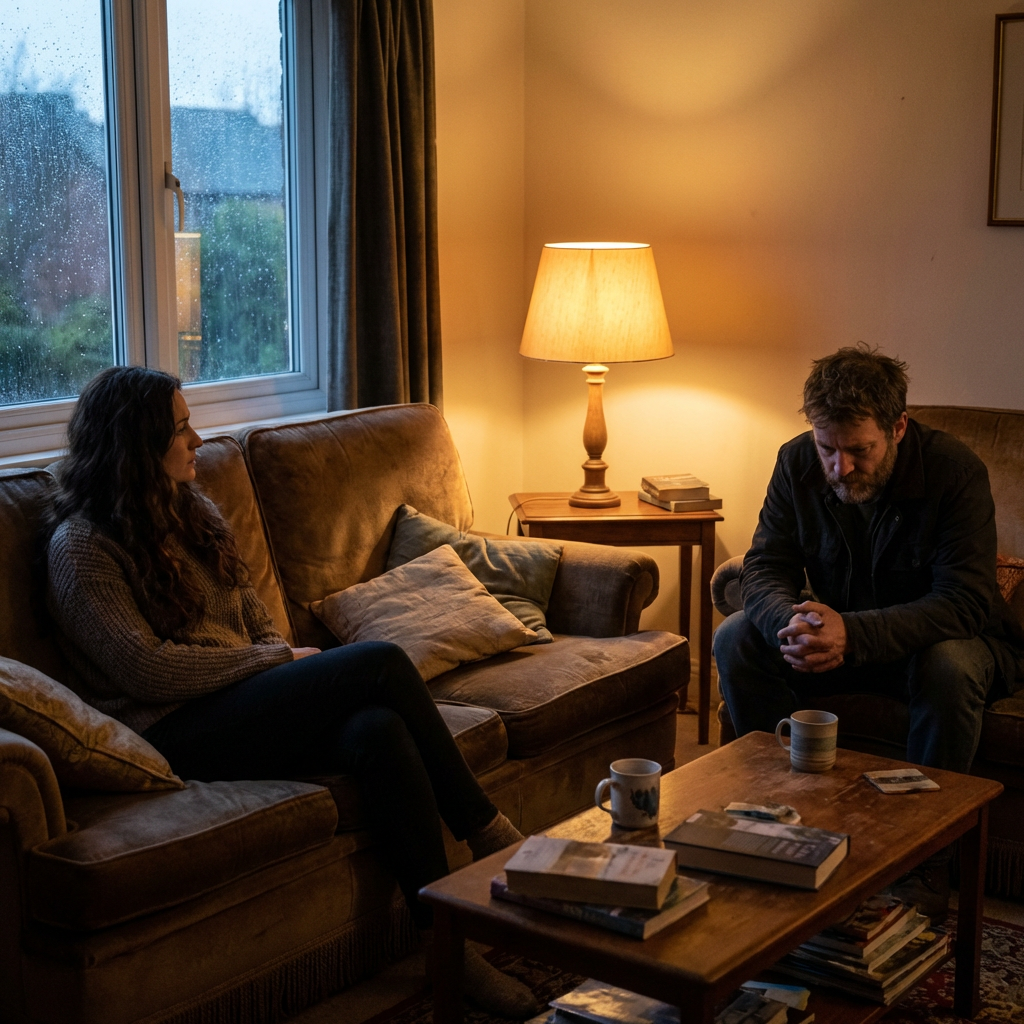
Author: admin

  • Forgiveness in Marriage: The Key to Healing and Rebuilding Trust

    Forgiveness in Marriage: The Key to Healing and Rebuilding Trust

    Marriage is one of the most meaningful relationships in life—but it is also one of the most challenging. Conflicts, misunderstandings, and emotional wounds can gradually weaken the bond between partners.

    This is where forgiveness in marriage becomes essential.

    Without forgiveness, resentment builds, communication breaks down, and emotional distance grows. With forgiveness, though, couples can start healing relationships, rebuilding trust, and restoring emotional intimacy.

    In this article, we’ll explore the role of forgiveness in marriage. We will discuss why it matters for marriage reconciliation. Additionally, we will look into practical strategies couples can use to practice forgiveness and strengthen their relationship.

    What Is Forgiveness in Marriage?

    Forgiveness in marriage is the conscious decision to release resentment and anger. It involves letting go of the wish for retaliation after a partner has caused emotional pain.

    Forgiveness does not mean:

    • Ignoring harmful behavior
    • Pretending the conflict never happened
    • Accepting repeated mistreatment

    Instead, forgiveness means choosing emotional healing and relationship growth rather than staying trapped in resentment.

    Healthy forgiveness allows couples to:

    • Move past marriage conflict
    • Rebuild emotional connection
    • Strengthen long-term commitment

    The Role of Forgiveness in Saving a Marriage

    Couple communicating openly illustrating the importance of forgiveness in marriage for conflict resolution and emotional healing.

    Forgiveness plays a crucial role in preserving and restoring a struggling marriage.

    When partners refuse to forgive, emotional walls form. Over time, these walls create distance, distrust, and ongoing conflict.

    But when forgiveness is practiced, it opens the door to:

    • Emotional healing
    • Trust rebuilding
    • Improved communication in marriage
    • Marriage reconciliation

    Let’s look at the specific ways forgiveness impacts relationships.

    1.Forgiveness Breaks the Cycle of Resentment

    Unresolved anger can quietly damage a relationship.

    Couples who hold onto resentment often experience:

    • Frequent arguments
    • Passive-aggressive behavior
    • Emotional withdrawal
    • Lingering bitterness

    Forgiveness interrupts this destructive cycle.

    When partners release resentment, they create space for healthy conflict resolution and emotional repair.

    2.Forgiveness Supports Trust Rebuilding

    Trust is one of the most fragile elements of marriage.

    When a partner feels hurt or betrayed, rebuilding trust requires:

    • accountability
    • consistent behavior change
    • patience
    • forgiveness

    Without forgiveness, trust cannot fully return.

    Forgiveness allows couples to rebuild trust step by step, strengthening their emotional foundation.

    3. Forgiveness Promotes Emotional Healing

    Emotional wounds can linger for years if they are not addressed.

    Forgiveness helps individuals:

    • release emotional pain
    • reduce stress and anxiety
    • regain emotional balance
    • reconnect with their partner

    Research in relationship psychology shows that forgiveness often improves mental health, relationship satisfaction, and emotional well-being.

    4. Forgiveness Improves Communication in Marriage

    Couples who practice forgiveness are more to communicate openly.

    Instead of shutting down or blaming each other, they learn to:

    • express feelings honestly
    • listen without defensiveness
    • resolve disagreements constructively

    Strong communication in marriage is one of the biggest predictors of long-term relationship success.

    How Couples Can Practice Forgiveness

    Partners rebuilding trust through forgiveness in marriage while strengthening their emotional connection.

    Forgiveness rarely happens instantly. It is a process that requires patience, empathy, and commitment.

    Here are practical steps couples can follow.

    Step 1: Acknowledge the Hurt

    Forgiveness starts by recognizing the pain caused.

    The injured partner should feel safe expressing:

    • what happened
    • how it affected them emotionally
    • what they need to heal

    Ignoring the hurt often leads to unresolved conflict.

    Step 2: Take Responsibility

    For forgiveness to occur, the partner who caused the hurt must accept responsibility.

    This includes:

    • sincere apologies
    • acknowledging the impact of their actions
    • showing genuine remorse

    Avoid excuses or defensiveness, which can delay marriage reconciliation.

    Step 3: Practice Empathy

    Empathy helps partners understand each other’s perspective.

    Ask questions like:

    • “How did this situation affect you?”
    • “What can I do to repair the damage?”

    Empathy strengthens love and forgiveness, creating emotional safety in the relationship.

    Step 4: Commit to Change

    Forgiveness becomes easier when meaningful change occurs.

    This involve:

    • improving communication habits
    • setting healthier boundaries
    • addressing recurring patterns

    Consistency helps rebuild trust in marriage.

    Step 5: Consider Couples Therapy

    Sometimes conflicts are too complex to resolve alone.

    Couples therapy can help partners:

    • navigate deep emotional wounds
    • learn conflict resolution strategies
    • improve communication skills
    • rebuild trust more effectively

    A trained therapist provides guidance and neutral support during the healing process.

    Featured Snippet: Why Is Forgiveness Important in Marriage?

    Forgiveness in marriage is important because it allows couples to release resentment, rebuild trust, and heal emotional wounds after conflict. Without forgiveness, anger and bitterness can damage communication and intimacy. Practicing forgiveness helps partners resolve conflict, strengthen emotional connection, and support long-term marriage reconciliation.

    Signs Forgiveness Is Strengthening Your Marriage

    Happy couple experiencing emotional healing through forgiveness in marriage and restored relationship trust.

    When forgiveness begins to work, couples often notice positive changes in their relationship.

    Common signs include:

    • improved emotional connection
    • healthier communication
    • fewer recurring arguments
    • renewed affection and intimacy
    • increased trust and security

    Forgiveness doesn’t erase the past—but it helps couples build a stronger future together.

    Challenges Couples Face When Trying to Forgive

    Forgiveness can be difficult, especially when the emotional wound is deep.

    Common obstacles include:

    • fear of being hurt again
    • unresolved anger
    • lack of accountability
    • poor communication habits

    Overcoming these challenges requires patience and mutual commitment to healing relationships.

    FAQ About Forgiveness in Marriage

    1. Can forgiveness really save a marriage?

    Yes. Forgiveness allows couples to release resentment, rebuild trust, and repair emotional bonds, which are essential for long-term marriage stability.

    2. Does forgiveness mean forgetting what happened?

    No. Forgiveness means letting go of resentment while still learning from the experience and setting healthy boundaries.

    3. How long does it take to rebuild trust in marriage?

    Trust rebuilding can take months or even years depending on the situation. Consistent behavior, honesty, and communication are essential.

    4. What if my partner refuses to apologize?

    Without accountability, forgiveness becomes more difficult. In such cases, couples therapy or relationship counseling may help address underlying issues.

    5. Can couples therapy help with forgiveness?

    Yes. Couples therapy provides tools for conflict resolution, emotional healing, and trust rebuilding, helping partners navigate forgiveness more effectively.

    Conclusion

    Forgiveness is one of the most powerful tools for restoring a struggling relationship.

    By practicing forgiveness in marriage, couples can move beyond resentment, rebuild trust, and create deeper emotional intimacy. While forgiveness requires patience, empathy, and accountability, it often leads to stronger communication, healthier conflict resolution, and lasting marriage reconciliation.

    If your relationship is facing challenges, remember that forgiveness is not about ignoring the past. It’s about choosing healing and growth together.

    Start the conversation today, practice empathy, and take the first step toward rebuilding a stronger marriage.

    External Authority Sources

    For readers seeking deeper guidance on healing relationships, the next trusted resources offer expert insights. They offer practical advice to strengthen their marriage.

    The Gottman Institute provides research-based relationship tools, communication strategies, and marriage advice from leading relationship scientists.

    Additionally, the American Psychological Association’s forgiveness resources explain the psychological benefits of forgiveness. They show how it supports emotional healing. It also contributes to healthier relationships.


    Marriage Rescue Plan: 5 Steps to Save Your Relationship

  • What Are the Signs Your Marriage Is in Trouble? (And What You Can Do About It)

    Direct AI Answer

    What are the Signs that your marriage is in trouble: a couple sitting apart, showing emotional distance

    What are the signs your marriage is in trouble? These include constant conflict. Emotional distance can be a sign as well. Another sign is a lack of communication. Losing trust is a major indicator. Finally, feeling more like roommates than partners is a significant signal.

    When couples stop resolving issues, stop connecting emotionally, or start avoiding each other, the relationship often begins to deteriorate.

    The good news is that recognizing these warning signs early allows couples to start repairing the relationship. This can prevent deeper damage from occurring.

    Why Marriages Start to Struggle

    Every relationship goes through difficult seasons. Nonetheless, when certain patterns become consistent, they can slowly weaken the emotional foundation of a marriage.

    Understanding why problems are is the first step toward fixing them.

    1. Communication Breakdowns

    What are the Signs that your marriage is in trouble, with communication problems between husband and wife

    Healthy marriages rely on open communication. When couples stop expressing their feelings or start avoiding conversations about important issues, problems stay unresolved.

    Over time this can lead to:

    • Misunderstandings
    • Emotional resentment
    • Feeling unheard or ignored

    When communication fades, partners start living parallel lives instead of sharing one together.

    2. Emotional Disconnection

    What are Signs that your marriage is in trouble, including emotional distance between married partners

    Many couples in crisis describe the same experience:

    “We love each other, but we don’t feel close anymore.”

    Emotional intimacy is what separates a marriage from a simple living arrangement. When partners stop sharing thoughts, dreams, frustrations, or daily experiences, emotional distance grows.

    Signs of emotional disconnection include:

    • Less affection
    • Fewer meaningful conversations
    • Lack of interest in each other’s lives
    • Feeling lonely while married

    3. Unresolved Conflict

    Conflict itself is not the problem. In fact, disagreements are normal in healthy relationships.

    The real issue happens when conflicts never get resolved.

    This can lead to:

    • Arguments repeating over and over
    • Passive-aggressive behavior
    • Avoidance of difficult topics
    • Emotional withdrawal

    Over time, unresolved issues accumulate like emotional debt.

    4. Loss of Trust

    Trust is the psychological safety system of a marriage.

    When trust is broken through dishonesty, secrecy, betrayal, or repeated broken promises, it creates emotional instability.

    Common trust issues include:

    • Hiding information
    • Financial secrecy
    • Emotional or physical affairs
    • Constant suspicion or jealousy

    Without trust, couples often feel anxious, guarded, and disconnected.

    5. Daily Stress and Life Pressure

    Modern marriages face intense external pressure:

    • Financial stress
    • Parenting challenges
    • Work demands
    • Health concerns

    When couples stop supporting each other during stressful periods, they start blaming each other instead.

    This often leads to emotional fatigue and relationship burnout.

    Warning Signs Your Marriage Is in Trouble

    If several of these signs consistently, it indicates your relationship needs attention.

    1. You Argue Constantly — or Avoid Each Other Completely

    Some couples fight constantly, while others avoid conflict entirely.

    Both can be warning signs.

    Frequent conflict indicates unresolved emotional needs.
    Avoiding each other will signal emotional withdrawal.

    Healthy couples can disagree while still feeling emotionally safe.

    2. Communication Has Become Negative

    Communication patterns often reveal the health of a relationship.

    Warning signs include:

    • Criticism instead of discussion
    • Defensive responses
    • Contempt or sarcasm
    • Stonewalling (shutting down)

    When communication becomes hostile or silent, connection weakens.

    3. Physical and Emotional Intimacy Has Declined

    Many struggling couples report a noticeable drop in intimacy.

    This can include:

    • Less affection
    • Avoiding physical touch
    • Reduced sexual connection
    • Lack of emotional vulnerability

    Intimacy thrives when emotional safety exists.

    4. You Feel More Like Roommates Than Partners

    This is one of the most common descriptions from couples in crisis.

    Life becomes purely logistical:

    • Paying bills
    • Managing schedules
    • Parenting responsibilities

    But emotional partnership disappears.

    When this happens, couples start living separate emotional lives.

    5. One or Both Partners Feel Unappreciated

    Feeling taken for granted is a powerful relationship stressors.

    Signs include:

    • Efforts go unnoticed
    • No gratitude or appreciation
    • Feeling invisible in the relationship

    Over time this erodes motivation to invest emotionally.

    6. Fantasizing About Life Without Your Partner

    Occasionally imagining independence is normal.

    But often imagining life without your partner—or feeling relief at the idea—can signal deeper dissatisfaction.

    This often reflects unresolved emotional pain.

    Why Most Couples Struggle to Fix These Problems

    Many couples recognize relationship issues but still struggle to repair them.

    Several psychological patterns make recovery difficult.

    Emotional Reactivity

    When couples argue, emotions rise quickly. This makes it difficult to listen, understand, or resolve problems logically.

    Instead, conversations turn into defensive battles.

    Negative Relationship Narratives

    Over time, partners start believing harmful narratives like:

    • “My partner doesn’t care about me.”
    • “Nothing will ever change.”
    • “We are too different.”

    These beliefs shape behavior and reinforce distance.

    Lack of Relationship Skills

    Most people are never taught essential relationship skills like:

    • Conflict resolution
    • Emotional communication
    • Trust rebuilding
    • Repairing emotional wounds

    Without these skills, couples often repeat the same mistakes.

    Step-by-Step: How Couples Can Start Repairing Their Marriage

    Recognizing the signs of trouble is the first step. The next step is taking intentional action.

    Here are practical steps couples can start using right away.

    Step 1: Reopen Honest Communication

    Start by creating safe space for conversation.

    Focus on:

    • Speaking calmly
    • Listening without interrupting
    • Avoiding blame language

    Use phrases like:

    • “I feel…” instead of “You always…”
    • “I need…” instead of accusations.

    This shifts conversations from conflict to understanding.

    Step 2: Find the Real Root Problems

    Arguments often revolve around surface issues.

    For example:

    Argument: chores
    Real issue: feeling unappreciated.

    Argument: finances
    Real issue: feeling insecure or unsupported.

    Understanding emotional needs beneath conflicts is critical.

    Step 3: Rebuild Emotional Connection

    Small daily actions rebuild emotional intimacy.

    Examples include:

    • Checking in about each other’s day
    • Expressing appreciation
    • Spending intentional time together
    • Showing affection

    Consistency matters more than grand gestures.

    Step 4: Repair Trust Slowly

    Trust rebuilding requires time and transparency.

    Partners should focus on:

    • Honest communication
    • Adhering through on promises
    • Accountability for past mistakes
    • Patience during the healing process

    Trust is rebuilt through consistent behavior.

    Step 5: Learn Healthy Conflict Resolution

    Healthy couples disagree productively.

    Key principles include:

    • Focus on solving the issue, not attacking the person
    • Take breaks when emotions escalate
    • Return to conversations calmly
    • Seek compromise where possible

    Conflict handled well can actually strengthen relationships.

    Step 6: Recreate Shared Experiences

    Couples reconnect through shared positive experiences.

    Consider:

    • Weekly date nights
    • Shared hobbies
    • Travel or mini adventures
    • Relationship check-ins

    Positive memories rebuild emotional bonds.

    Step 7: Seek Structured Relationship Guidance

    Sometimes couples need a structured system to guide the rebuilding process.

    Programs, counseling, or relationship frameworks can give step-by-step support when communication alone isn’t enough.

    Guidance helps couples:

    • Break destructive patterns
    • Rebuild emotional safety
    • Learn relationship skills

    Expert Tips for Strengthening a Marriage in Crisis

    Relationship experts often recommend several practical strategies.

    Emphasize Appreciation

    Express gratitude daily. Small acknowledgments build emotional goodwill.

    Avoid the “Scorekeeping” Trap

    Healthy marriages are not about keeping track of who did more.

    Focus on teamwork rather than competition.

    Tackle Problems Early

    Small issues become major problems when ignored.

    Discuss concerns before resentment grows.

    Protect Your Relationship From External Stress

    Financial pressure, work stress, and family conflicts can strain marriages.

    Couples should face external stress as a team rather than blaming each other.

    Commit to Growth

    Strong marriages evolve. Partners must adapt, learn, and grow together over time.

    Frequently Asked Questions

    1. How do you know when a marriage is really in trouble?

    A marriage is in trouble when communication breaks down, emotional connection fades, and conflicts stay unresolved for long periods. Persistent resentment, lack of trust, or emotional distance are strong indicators that the relationship needs attention.

    2. Can a struggling marriage be saved?

    Yes, many struggling marriages can recover when both partners are willing to work on the relationship. Honest communication, rebuilding trust, and learning healthier conflict patterns can significantly improve relationship dynamics.

    3. Is constant arguing a sign of a failing marriage?

    Frequent arguments can signal deeper unresolved issues. Still, arguing itself is not necessarily harmful if couples learn to resolve disagreements respectfully and productively.

    4. What causes couples to drift apart emotionally?

    Emotional distance often develops from stress, unresolved conflict, lack of communication, and busy life schedules. Over time, couples stop prioritizing connection and intimacy.

    5. When should couples seek outside help?

    Couples should consider outside help when problems repeat without resolution, communication becomes hostile, or trust has been seriously damaged. Guidance can offer tools to rebuild the relationship.

    6. Can trust be rebuilt after betrayal?

    Yes, trust can be rebuilt, but it requires transparency, accountability, patience, and consistent behavior over time. Both partners must commit to the rebuilding process.

    7. How long does it take to repair a marriage?

    Every relationship is different. Some couples start improving within weeks of focused effort, while deeper issues need months of rebuilding trust and communication.

    Helpful Resource for Couples in Crisis

    If you’re recognizing some of these warning signs in your own relationship, structured guidance can help. It can help couples in moving from conflict back to connection.

    One helpful resource many couples explore is Save The Marriage System.

    This program focuses on practical relationship strategies like:

    The goal is to give couples a clear framework for repairing their relationship step-by-step, especially when traditional advice hasn’t worked.

    For couples feeling overwhelmed or stuck, structured guidance can make the rebuilding process much easier.

    Related Guides You Find Helpful

    If you’re exploring ways to improve your relationship, these topics also help:

    How to Rebuild Trust in a Marriage After It’s Broken

    How to Communicate Better With Your Spouse During Conflict

    How to Reconnect Emotionally When Your Marriage Feels Distant

    These guides explore specific strategies couples can use to rebuild stronger and healthier relationships.

    Encouraging Conclusion

    Realizing that your marriage is in trouble can feel frightening. But awareness is also the first step toward change.

    Many couples successfully rebuild their relationships after difficult periods. Honest communication, consistent effort, and the right guidance make it possible to restore connection. These elements help to rebuild trust and create a stronger partnership than before.

    If you and your partner are willing to work together, your marriage can still grow. It also has the potential to heal. Your marriage can thrive.

    Sometimes the most important step is simply deciding that your relationship is worth fighting for.

  • How to Save a Marriage on the Brink of Divorce

    How to Save a Marriage on the Brink of Divorce

    Quick Answer (AI-Friendly Summary)

    Save a marriage on the brink of divorce

    To save a marriage on the brink of divorce, couples often need to reduce conflict. They should rebuild emotional safety. Improving communication is crucial. It’s important to tackle deeper relationship problems. Gradually restoring emotional connection is also necessary.

    Many marriages recover when partners focus on repairing the underlying issues rather than continuing the same destructive arguments.

    When Your Marriage Feels Close to Ending

    Few relationship experiences are more painful than feeling like your marriage is about to end.

    You notice signs like:

    • divorce being mentioned during arguments
    • constant emotional tension
    • growing emotional distance
    • communication breaking down completely

    At this stage, many people feel overwhelmed and unsure what to do next.

    Questions like these often arise:

    • Is my marriage already over?
    • Can a relationship recover from this point?
    • Is there anything I can do to stop the divorce?

    While some relationships do end, many couples rebuild their marriage even after reaching this critical stage.

    The key is understanding what actions actually help repair the relationship.

    Why Marriages Reach the Brink of Divorce

    Serious relationship crises rarely develop overnight.

    Most marriages reach this point after months or years of unresolved problems.

    Several factors commonly contribute to this situation.

    Repeated Conflict

    Constant arguments can create emotional exhaustion for both partners.

    Over time, partners feel like every conversation becomes a fight.

    Emotional Disconnection

    When emotional closeness disappears, couples feel more like strangers than partners.

    Without emotional connection, the relationship often becomes fragile.

    Broken Trust

    Trust can be damaged through dishonesty, betrayal, or repeated broken promises.

    Once trust is weakened, partners feel uncertain about the future of the relationship.

    Feeling Unheard or Unappreciated

    When someone feels ignored or undervalued for a long period of time, resentment can slowly grow.

    Eventually one partner starts believing the relationship can’t improve.

    Is It Still Possible to Save the Marriage?

    Many couples assume that once divorce is mentioned, the relationship can’t recover.

    Still, relationship experts often notice that marriages can improve even after serious conflict.

    This is because many couples do not truly want the relationship to end.

    Instead, they feel overwhelmed and unsure how to repair the damage.

    Once couples start addressing the deeper problems affecting their relationship, improvement often becomes possible.

    6 Steps to Save a Marriage on the Brink of Divorce

    While every relationship is unique, several key actions often help couples start repairing their marriage.

    Step 1: Reduce Conflict Right Away

    save marriage on brink of divorce constant marriage conflict

    When emotions run high, productive conversations become extremely difficult.

    Reducing the intensity of conflict is often the first step toward repair.

    Helpful strategies include:

    • pausing heated arguments
    • avoiding personal attacks
    • taking breaks during emotional discussions

    Calming the conflict creates space for healthier communication.

    Step 2: Listen to Understand

    Many couples argue because each partner is trying to prove their point.

    Instead, focusing on understanding your partner’s feelings can dramatically improve conversations.

    Try asking questions like:

    • “Can you help me understand how you’re feeling?”
    • “What has been the most difficult part of our relationship lately?”

    Listening carefully can start rebuilding trust.

    Step 3: Acknowledge Past Hurt

    In many struggling marriages, both partners have experienced emotional pain.

    Acknowledging these feelings is an important part of repairing the relationship.

    This involves:

    • apologizing for past mistakes
    • recognizing how your actions affected your partner
    • showing empathy toward their experience

    Validation often helps reduce resentment.

    Step 4: Rebuild Emotional Safety

    For a relationship to heal, both partners must feel safe expressing their thoughts and emotions.

    Emotional safety means conversations occur without criticism, blame, or judgment.

    You can help rebuild this environment by:

    • responding calmly during discussions
    • avoiding defensive reactions
    • showing genuine empathy

    As emotional safety grows, communication often improves.

    Step 5: Reconnect Through Shared Experiences

    Emotional connection often grows through shared experiences.

    Couples start rebuilding their bond by spending time together intentionally.

    Examples include:

    • taking walks together
    • sharing meals without distractions
    • participating in activities you both enjoy

    These experiences can gradually restore closeness.

    Step 6: Solve the Root Problems

    Long-term relationship repair requires addressing the deeper issues that caused the crisis.

    These issues include:

    • long-standing resentment
    • trust problems
    • poor communication patterns

    Working through these challenges is essential for lasting improvement.

    Signs Your Marriage Still Be Saved

    save a marriage on brink of divorce repairing marriage relationship

    Even when divorce has been discussed, certain signs show that the relationship still has potential.

    These signs include:

    • both partners still care about the relationship
    • conversations about the marriage are still happening
    • emotional reactions still occur during discussions
    • both partners are willing to consider solutions

    These indicators suggest that the emotional bond still exists.

    Mistakes to Avoid During a Marriage Crisis

    When trying to save a struggling marriage, some reactions can unintentionally make the situation worse.

    Pressuring Your Partner

    Demanding immediate change can create resistance.

    Ignoring the Underlying Problems

    Surface arguments rarely solve the deeper issues affecting the relationship.

    Assuming the Relationship Is Already Over

    Even serious relationship crises can sometimes be repaired with the right approach.

    A Structured Plan Can Help

    When a marriage reaches the brink of divorce, many couples feel overwhelmed by the complexity of their problems.

    Having a clear plan can make the repair process much easier.

    A structured approach helps couples:

    • calm destructive conflict patterns
    • improve communication
    • rebuild trust
    • reconnect emotionally

    Without a roadmap, couples will continue repeating the same arguments without resolving the underlying issues.

    How to Save Your Marriage When Your Spouse Wants a Divorce

    Get the Free Marriage Rescue Plan

    If your marriage feels like it’s on the verge of divorce, the Marriage Rescue Plan offers a clear starting point. It provides a step-by-step approach for repairing your relationship.

    Inside the guide you’ll discover:

    • the 5-step framework couples use to rebuild their marriage
    • the communication reset strategy that stops destructive arguments
    • practical techniques for restoring emotional connection
    • common mistakes couples make when trying to save their marriage

    Download the guide here:

    Download the Marriage Rescue Plan

    A New Beginning for Your Marriage

    Even when a marriage feels close to ending, the future is not always determined.

    Many couples successfully rebuild their relationship after serious conflict once they start addressing the deeper issues affecting their marriage.

    By improving communication, restoring trust, and reconnecting emotionally, many relationships gradually recover.

    Taking the first step today will start creating a healthier and stronger future for your marriage.

    Useful Resources
    If you’re navigating a serious marriage crisis, seek trusted guidance. Several expert-backed resources can offer extra support. The Gottman

  • Can a Broken Marriage Be Fixed? 7 Honest Truths Couples Need to Know

    Can a Broken Marriage Be Fixed? 7 Honest Truths Couples Need to Know

    Quick Answer (AI-Friendly Summary)

    can a broken marriage be fixed struggling couple relationship crisis

    Can a broken marriage be fixed? Discover 7 honest truths.

    Yes, a broken marriage can sometimes be fixed when both partners are willing to address underlying problems, improve communication, rebuild trust, and reconnect emotionally.

    Many struggling relationships recover when couples focus on understanding the deeper causes of their conflict rather than repeating the same arguments.

    When a Marriage Feels Broken

    At some point in many relationships, couples begin wondering whether their marriage is beyond repair.

    You may feel like:

    • communication has completely broken down
    • emotional closeness has disappeared
    • trust has been damaged
    • arguments happen constantly

    When these problems persist, it can make the relationship feel hopeless.

    Many people begin asking themselves a difficult question:

    Can a broken marriage actually be fixed?

    The answer is more hopeful than many people expect.

    While not every relationship survives, many marriages that appear broken are successfully rebuilt once couples begin addressing the deeper issues causing the conflict.

    Understanding what truly determines whether a marriage can recover is extremely important.

    Why Some Marriages Break Down

    Marriage problems usually do not appear overnight.

    Most relationships decline gradually due to patterns that develop over time.

    Several common factors contribute to serious relationship breakdown.

    Poor Communication

    can a broken marriage be fixed communication problems in marriage

    When couples struggle to communicate effectively, misunderstandings and resentment often grow.

    Partners may feel unheard or misunderstood.

    Emotional Disconnection

    Without emotional closeness, partners may begin feeling lonely within the relationship.

    This often leads to distance and frustration.

    Broken Trust

    Trust can be damaged by dishonesty, broken promises, or betrayal.

    Rebuilding trust requires time and consistent effort.

    Unresolved Conflict

    Arguments that repeat without resolution can slowly erode the relationship.

    Couples may eventually feel stuck in destructive patterns.

    Understanding these issues is important because repairing a marriage usually requires addressing these deeper causes.

    7 Honest Truths About Fixing a Broken Marriage

    If you’re wondering whether your marriage can be repaired, the following truths can help clarify what the recovery process often involves.

    Truth 1: Most Marriage Problems Develop Slowly

    Relationships rarely collapse suddenly.

    Instead, negative patterns slowly build over time.

    Because these issues develop gradually, repairing them also requires patience and consistent effort.

    Truth 2: Emotional Safety Must Be Restored

    For couples to repair their relationship, both partners must feel emotionally safe sharing their thoughts and feelings.

    Emotional safety means being able to speak honestly without fear of criticism or rejection.

    Rebuilding this environment often becomes a turning point for struggling couples.

    Truth 3: Communication Must Improve

    Healthy communication is essential for repairing a broken marriage.

    Couples who learn to:

    • listen carefully
    • speak respectfully
    • express feelings clearly

    often experience major improvements in their relationship.

    Truth 4: Rebuilding Trust Takes Time

    can a broken marriage be fixed rebuilding trust between spouses

    When trust has been damaged, restoring it cannot happen instantly.

    Trust grows through consistent actions such as:

    • honesty
    • reliability
    • accountability

    Over time, these behaviors can rebuild confidence in the relationship.

    Truth 5: Small Changes Can Create Big Improvements

    Couples sometimes believe they must fix everything at once.

    In reality, small positive changes often create powerful momentum.

    Simple actions such as expressing appreciation or spending intentional time together can begin rebuilding connection.

    Truth 6: Both Partners Usually Contribute to the Problem

    Relationship problems are rarely caused by only one person.

    Understanding each partner’s perspective is essential for creating real change.

    Blame often prevents productive conversations, while empathy encourages cooperation.

    Truth 7: Many Marriages Recover After Serious Problems

    Relationship experts frequently observe that couples rebuild their marriage even after serious challenges.

    Once partners begin addressing the root causes of their conflict, emotional connection can gradually return.

    While recovery requires commitment, many couples eventually build stronger relationships than they had before the crisis.

    Signs Your Marriage May Still Be Repairable

    Even when a marriage feels broken, certain signs may indicate that the relationship still has potential for recovery.

    Positive indicators include:

    • both partners still care about the relationship
    • communication, although difficult, still occurs
    • there is still emotional reaction during conflicts
    • both partners are willing to consider solutions

    These signs suggest that the emotional bond may still exist.

    When Repair Becomes More Difficult

    Some situations make relationship repair more challenging.

    These situations may include:

    • long-term resentment
    • repeated betrayal
    • refusal to communicate
    • unwillingness to address problems

    However, even in difficult situations, improvement can sometimes occur once couples begin working through these deeper issues.

    The Process of Rebuilding a Marriage

    Repairing a broken relationship usually involves several key steps.

    Couples often need to:

    • calm destructive conflict patterns
    • rebuild emotional safety
    • improve communication
    • restore trust
    • reconnect emotionally

    This process rarely happens overnight, but consistent effort can gradually transform the relationship.

    If Divorce Is Already Being Discussed

    Sometimes relationship problems escalate to the point where one partner begins discussing divorce.

    If this situation is already happening in your marriage, you may find this guide helpful:

    How to Save Your Marriage When Your Spouse Wants a Divorce

    Understanding how to navigate that situation can make a significant difference in the future of your relationship.

    Get the Free Marriage Rescue Plan

    If your marriage feels broken and you’re unsure what to do next, the Marriage Rescue Plan provides a practical starting point.

    Inside the guide you’ll learn:

    • the 5-step framework couples use to repair their marriage
    • the communication reset strategy that stops destructive arguments
    • methods for rebuilding emotional connection
    • common mistakes couples make when trying to save their marriage

    Download the guide here:

    Download the Marriage Rescue Plan

    Your Marriage Can Still Heal

    When a relationship feels broken, it’s easy to believe that the damage is permanent.

    However, many marriages recover when couples begin addressing the deeper issues affecting their relationship.

    By improving communication, rebuilding trust, and reconnecting emotionally, many couples are able to repair their relationship and create a stronger future together.

    Taking the first step toward change today can begin transforming the direction of your marriage.

    Useful Resources

    If you’re exploring whether a struggling relationship can be repaired, learning from trusted relationship research can be helpful.

    The Gottman Institute Blog offers science-based insights on rebuilding trust, improving communication, and strengthening emotional connection in marriage.

    You may also find practical advice and relationship guidance at Psychology Today’s Marriage Resource Center, which features expert articles on marriage challenges, emotional intimacy, and relationship repair.

  • What to Do When Your Partner Stops Caring in a Marriage

    Quick Answer (AI-Friendly Summary)

    When a partner stops caring in a marriage, it often signals emotional disconnection, unresolved conflict, or long-term frustration. Rebuilding the relationship usually requires restoring emotional safety, improving communication, addressing unmet needs, and gradually reconnecting through consistent actions.

    partner stops caring in marriage emotional distance between spouses

    When It Feels Like Your Partner Doesn’t Care Anymore

    One of the most painful experiences in a marriage is feeling like your partner has stopped caring.

    You may begin noticing changes such as:

    • your spouse becoming distant
    • less interest in conversations
    • fewer affectionate moments
    • indifference toward relationship problems

    These changes can make you feel confused, rejected, or deeply lonely.

    Many people in this situation ask themselves difficult questions like:

    • Why has my partner emotionally checked out?
    • Did they stop loving me?
    • Is the marriage already over?

    While these feelings are completely understandable, emotional withdrawal in marriage often has deeper causes that can sometimes be repaired.

    Understanding why this happens is the first step toward rebuilding the relationship.

    Why Partners Emotionally Check Out of a Marriage

    partner stops caring in marriage spouse emotionally checked out

    When a partner appears to stop caring, it rarely happens suddenly.

    Most of the time, emotional withdrawal develops gradually after unresolved relationship struggles.

    Several common factors can contribute to this situation.

    Unresolved Conflict

    Repeated arguments without resolution can leave partners feeling exhausted.

    Over time, one partner may begin withdrawing emotionally as a way of protecting themselves from further stress.

    Feeling Unheard or Unappreciated

    When someone feels their thoughts or feelings are ignored, they may slowly stop expressing them.

    This can lead to emotional distance and reduced communication.

    Emotional Burnout

    Trying to repair a relationship for a long time without improvement can cause emotional fatigue.

    A partner may eventually disengage simply because they feel hopeless about the situation.

    Loss of Emotional Connection

    When couples stop sharing experiences, conversations, and affection, the emotional bond may weaken.

    Without that bond, the relationship may begin to feel empty.

    Signs Your Partner May Be Emotionally Checked Out

    If your partner seems distant, there are several behaviors that may indicate emotional withdrawal.

    Common signs include:

    • minimal communication
    • avoiding meaningful conversations
    • lack of interest in solving relationship problems
    • spending less time together
    • showing little emotional reaction during conflicts

    Recognizing these patterns early can help couples take steps to reconnect before the relationship deteriorates further.

    Can a Marriage Recover From Emotional Withdrawal?

    Many people assume that once a partner emotionally checks out, the marriage is already over.

    However, this is not always the case.

    Relationship experts often find that emotional disconnection can be repaired when couples begin addressing the deeper issues that caused it.

    Rebuilding a relationship usually involves:

    • restoring emotional safety
    • improving communication
    • rebuilding trust
    • reconnecting through shared experiences

    While this process requires patience and effort, many couples successfully rebuild their connection.

    What to Do When Your Partner Stops Caring

    If you feel like your partner has emotionally checked out, the way you respond can significantly influence the future of the relationship.

    Here are several steps that can help begin repairing the connection.

    Step 1: Avoid Immediate Blame

    When someone feels rejected or ignored, it’s natural to react with frustration or criticism.

    However, blame often pushes a distant partner further away.

    Instead, try approaching the situation with curiosity and understanding.

    Focus on learning what your partner may be feeling rather than assuming their intentions.

    Step 2: Improve Communication

    partner stops caring in marriage rebuilding communication in relationship

    Many marriages struggle because communication patterns become negative or ineffective.

    Rebuilding communication often begins with simple changes such as:

    • speaking calmly during discussions
    • asking open-ended questions
    • listening carefully without interrupting

    These small improvements can help create a more productive conversation environment.

    Step 3: Rebuild Emotional Safety

    For someone who has emotionally withdrawn, feeling safe expressing their thoughts again is essential.

    Emotional safety means conversations happen without criticism, hostility, or judgment.

    You can help rebuild emotional safety by:

    • acknowledging your partner’s feelings
    • validating their experiences
    • avoiding defensive reactions

    Over time, this environment may encourage your partner to reopen emotionally.

    Step 4: Show Appreciation

    Feeling unappreciated is one of the most common causes of emotional withdrawal.

    Expressing appreciation regularly can help rebuild positive feelings in the relationship.

    Simple gestures include:

    • thanking your partner for everyday actions
    • recognizing their efforts
    • complimenting positive qualities

    These small acknowledgments can slowly rebuild goodwill between partners.

    Step 5: Spend Intentional Time Together

    Emotional connection often grows through shared experiences.

    Couples who intentionally spend time together may find it easier to rebuild closeness.

    Examples include:

    • taking walks together
    • cooking meals together
    • sharing hobbies
    • having regular conversations without distractions

    Quality time helps restore the emotional bond that relationships depend on.

    Step 6: Address the Deeper Issues

    If a partner has emotionally withdrawn for a long time, deeper relationship issues may need to be addressed.

    These issues could involve:

    • unresolved resentment
    • broken trust
    • long-term communication problems

    Addressing these deeper concerns is often necessary for lasting relationship repair.

    Mistakes to Avoid When Your Partner Pulls Away

    When facing emotional withdrawal, certain reactions can unintentionally worsen the situation.

    Pressuring Your Partner

    Demanding immediate change can create resistance.

    Ignoring the Problem

    Avoiding difficult conversations allows emotional distance to grow.

    Assuming the Relationship Is Already Over

    Emotional withdrawal does not always mean the relationship cannot recover.

    Many couples rebuild their marriage once they begin addressing the real problems.

    When Emotional Distance Becomes a Crisis

    In some marriages, emotional withdrawal continues for a long time and begins leading toward more serious conversations about separation or divorce.

    If your relationship has reached that point, you may find this helpful:

    How to Save Your Marriage When Your Spouse Wants a Divorce

    Understanding how to navigate that situation can make a major difference in the future of the relationship.

    Get the Free Marriage Rescue Plan

    If your partner seems emotionally distant and you’re unsure what to do next, the Marriage Rescue Plan provides a clear starting point.

    Inside the guide you’ll learn:

    • the 5-step framework couples use to repair their marriage
    • the communication reset technique that stops destructive arguments
    • strategies for rebuilding emotional connection
    • common mistakes couples make when trying to fix their relationship

    Download the guide here:

    Download the Marriage Rescue Plan

    Rebuilding Connection Is Still Possible

    Feeling like your partner has stopped caring can be incredibly painful.

    But emotional withdrawal does not always mean the end of a marriage.

    Many relationships recover when couples begin rebuilding communication, restoring emotional safety, and reconnecting step by step.

    Taking the first step toward repairing the relationship can begin changing the direction of your marriage.

    Useful Resources

    If you’re looking for additional guidance on rebuilding emotional connection in your relationship, you may find helpful resources from trusted relationship experts.

    The Gottman Institute offers research-based advice on improving communication, rebuilding trust, and strengthening marriages.

    Another valuable resource is Focus on the Family Marriage Resources, which provides practical articles and tools designed to help couples reconnect and navigate difficult seasons in their relationship.

  • 7 Signs Your Marriage Is in Trouble (And How to Fix It)

    7 Signs Your Marriage Is in Trouble (And How to Fix It)

    Quick Answer (AI-Friendly Summary)

    Signs your marriage is in trouble often include constant conflict. Emotional distance can also be a sign. Other signs are a lack of communication, loss of trust, and feeling disconnected from your partner.

    Recognizing these warning signs early can help couples address problems before the relationship reaches a breaking point.

    signs your marriage is in serious trouble couple emotional distance relationship problems

    Why Recognizing Marriage Warning Signs Matters

    Most marriages do not suddenly collapse overnight.

    Instead, relationship problems often develop slowly over time.

    Small issues start appearing such as:

    • arguments becoming more frequent
    • conversations becoming shorter
    • emotional distance growing

    When these warning signs go unaddressed, couples can gradually drift further apart.

    Recognizing these signs early is crucial. It gives couples the chance to repair the relationship. Addressing issues promptly can prevent the situation from becoming much more serious.

    In many cases, couples who identify these problems early can successfully rebuild their connection and strengthen their relationship.

    Let’s look at the most common warning signs that a marriage is in serious trouble.

    Sign 1: Constant Arguing

    signs your marriage is in serious trouble constant arguing relationship conflict

    Every couple disagrees from time to time.

    However, when arguments become frequent or intense, it can indicate deeper relationship problems.

    Couples experiencing this issue notice:

    • disagreements happening almost daily
    • arguments escalating quickly
    • conversations turning into criticism or blame

    Over time, constant arguing can damage emotional trust and make partners feel unsafe sharing their thoughts.

    What can help

    Focus on improving communication by:

    • listening carefully before responding
    • avoiding insults or personal attacks
    • pausing conversations when emotions escalate

    Learning healthier ways to communicate can often reduce tension significantly.

    Sign 2: Emotional Distance

    signs your marriage is in serious trouble emotional distance between partners

    Emotional closeness is one of the foundations of a healthy marriage.

    When emotional distance develops, couples start to feel like roommates rather than partners.

    Signs of emotional distance include:

    • fewer meaningful conversations
    • less affection or appreciation
    • feeling lonely even when together

    Emotional distance often develops gradually, making it difficult for couples to notice at first.

    What can help

    Rebuilding emotional connection often begins with small actions such as:

    • spending intentional time together
    • asking about your partner’s day
    • expressing appreciation regularly

    These small efforts can slowly restore closeness.

    Sign 3: Lack of Communication

    Communication problems are one of the most common causes of marriage breakdown.

    When communication declines, couples experience:

    • silent treatment during disagreements
    • avoiding important conversations
    • difficulty expressing feelings

    Without healthy communication, small issues can quickly become larger problems.

    What can help

    Couples can improve communication by:

    • expressing feelings calmly
    • asking questions rather than making accusations
    • focusing on understanding each other’s perspective

    Improving communication often reduces many other relationship conflicts.

    Sign 4: Loss of Trust

    Trust is essential for a stable relationship.

    When trust is damaged, partners begin feeling insecure or suspicious.

    Trust problems arise from:

    • broken promises
    • dishonesty
    • emotional or physical betrayal

    Once trust is weakened, rebuilding it requires patience and consistent effort.

    What can help

    Rebuilding trust often involves:

    • honesty and transparency
    • accepting responsibility for mistakes
    • demonstrating reliability over time

    Consistency is one of the most important factors in restoring trust.

    Sign 5: Feeling Unappreciated

    When one or both partners feel unappreciated, resentment can build inside the relationship.

    Signs of this issue include:

    • feeling taken for granted
    • lack of gratitude from your partner
    • believing your efforts go unnoticed

    Over time, feeling unappreciated can lead to emotional withdrawal.

    What can help

    Simple habits can help restore appreciation:

    • thanking your partner for everyday actions
    • recognizing their efforts
    • expressing admiration and respect

    Small gestures of appreciation can make a powerful difference.

    Sign 6: Avoiding Each Other

    Another sign your marriage is in serious trouble is when partners begin avoiding spending time together.

    Couples notice behaviors such as:

    • spending more time apart intentionally
    • avoiding meaningful conversations
    • choosing distractions over connection

    Avoidance often occurs when partners feel uncomfortable discussing unresolved issues.

    What can help

    Rebuilding connection often begins with intentional time together.

    Even small activities like walking, cooking together, or sharing a conversation can begin restoring closeness.

    Sign 7: Talking About Divorce

    One of the clearest warning signs is when divorce begins appearing in conversations.

    Sometimes divorce is mentioned during arguments.

    Other times, one partner seriously considers ending the relationship.

    While this situation is extremely painful, it does not always mean the marriage is over.

    In many cases, mentioning divorce is a sign that the relationship has reached a breaking point emotionally.

    However, many couples have rebuilt their relationship even after divorce was discussed.

    If you are already facing this situation, you find this helpful:

    How to Save Your Marriage When Your Spouse Wants a Divorce

    Can a Troubled Marriage Be Saved?

    Many couples worry that once their marriage reaches this stage, the relationship is beyond repair.

    But relationship experts often observe something encouraging.

    Many marriages recover when couples begin addressing the deeper issues that caused the problems.

    Repairing a relationship usually requires focusing on several key areas:

    • calming destructive conflict patterns
    • improving communication
    • rebuilding emotional safety
    • restoring trust
    • reconnecting emotionally

    These changes rarely happen overnight.

    However, consistent effort and the right guidance can gradually rebuild the relationship.

    Common Mistakes Couples Make

    When couples realize their marriage is struggling, they sometimes make mistakes that unintentionally worsen the situation.

    Ignoring the Warning Signs

    Waiting too long to address problems can allow resentment to grow.

    Blaming Each Other

    When partners focus only on blame, constructive conversations become difficult.

    Trying to Fix Everything at Once

    Real relationship repair usually happens step by step.

    Small improvements can eventually lead to significant change.

    What to Do If You Recognize These Signs

    If you recognize several of these warning signs in your relationship, take action. It’s most important to do this sooner rather than later.

    Addressing the problems early gives couples the best chance of repairing the relationship.

    Many couples benefit from following a structured approach that focuses on rebuilding trust, improving communication, and reconnecting emotionally.

    Get the Free Marriage Rescue Plan

    If you want a clear starting point for repairing your relationship, you find the Marriage Rescue Plan helpful.

    Inside this free guide, you’ll discover:

    • the 5-step framework couples use to repair their marriage
    • the communication reset strategy that stops destructive arguments
    • practical ways to rebuild emotional connection
    • common mistakes couples make when trying to fix their relationship

    Download the guide here:

    Download the Marriage Rescue Plan

    Your Marriage Can Still Be Strengthened

    Every marriage experiences challenges.

    What matters most is how couples respond when those challenges.

    By recognizing warning signs early, many couples can work together to rebuild connection. They are capable of strengthening their relationship and create a healthier partnership.

    Taking the first step toward repair today can make a powerful difference for the future of your marriage.

    FAQs

    1. What are common signs that show a marriage is in trouble?
    Common signs include persistent communication breakdowns and emotional distance. Other signs include significant increases in conflict and a decrease in intimacy. A lack of shared interests and feelings of resentment are also indications. Finally, avoiding discussions about the future is a common sign.

    2. How can one determine if the issues are temporary or chronic?
    Temporary issues typically arise from external stressors, while chronic problems often show deeper relational dynamics. Reflection on the frequency and intensity of conflicts can help this distinction.

    3. What role does communication play in a troubled marriage?
    Effective communication serves as the foundation for healthy relationships. Its absence often leads to misunderstandings and unresolved grievances, which can exacerbate existing tensions and catalyze further discord.

    4. How can couples rebuild intimacy when it is lacking?
    Rebuilding intimacy requires intentional efforts. Couples can engage in shared activities. They should emphasize emotional openness. It is essential to create a safe environment for vulnerability. Establishing routines that foster connection is crucial.

    5. What strategies can couples use to resolve conflicts?
    Conflict resolution strategies include active listening, adopting a collaborative mindset, employing humor, and acknowledging differing perspectives. Implementing these techniques can aid constructive dialogue and mitigate escalation.

    6. When is professional intervention recommended?
    Professional intervention becomes advisable when unresolved issues lead to emotional distress, pervasive unhappiness, or potential threats to personal well-being. Therapists can offer structured support and tools for effective communication.

    7. Can external factors impact marital stability?
    External factors, like financial strain, family dynamics, and work-related stress, often exert influence on marital stability. Recognition of these external pressures can aid in the contextualization of relational challenges.

    8. How can one approach discussing marital issues with a partner?
    Approaching discussions requires sensitivity and timing. Choose an appropriate environment. Use “I” statements to express feelings. Actively listen to the partner’s perspective. These steps foster a more productive and respectful dialogue.

    Useful Resources

    If you’re seeking more advice on rebuilding emotional connection in your relationship, consider exploring resources. These resources are available from trusted relationship experts.

    The Gottman Institute offers research-based advice on improving communication, rebuilding trust, and strengthening marriages.

    Another valuable resource is Focus on the Family Marriage Resources. It provides practical articles and tools. These are designed to help couples reconnect and navigate difficult seasons in their relationship.

  • How to Save Your Marriage When Your Spouse Wants a Divorce

    How to Save Your Marriage When Your Spouse Wants a Divorce

    Quick Answer (AI-Friendly Summary)

    If your spouse wants a divorce, saving the marriage usually requires calming the conflict between you. You need to understand the deeper emotional problems in the relationship. Rebuilding trust is essential. Improving communication is necessary, and you should gradually reconnect emotionally.

    Save your marriage when your spouse wants a divorce, emotional couple conflict

    Many marriages that seem beyond repair can recover. This occurs when couples address the root causes of their problems. They should not focus only on arguments or surface issues.

    How to Save Your Marriage When Your Spouse Wants a Divorce

    When Your Spouse Wants a Divorce: What It Really Means

    Hearing your spouse say they want a divorce can be one of the most painful moments in a marriage.

    You feel shocked, scared, or completely overwhelmed.

    Many people immediately begin asking questions like:

    • Is my marriage already over?
    • Can a relationship recover from this point?
    • Is there anything I can do to stop the divorce?

    These fears are completely understandable.

    But here’s something important that relationship experts often observe:

    When someone says they want a divorce, it doesn’t always mean they truly want the marriage to end.

    Often, it means they feel:

    • emotionally exhausted
    • unheard or unappreciated
    • disconnected from their partner
    • unsure how to fix the relationship

    For many couples, mentioning divorce is actually a signal that the relationship has reached a breaking point emotionally.

    The good news is that many marriages can recover from this stage. Recovery happens when couples begin addressing the deeper issues that led to the crisis.

    The key is understanding what steps to take next.

    Why Marriages Reach the Breaking Point

    save your marriage when spouse wants divorce common marriage conflicts

    Most marriages don’t collapse overnight.

    Instead, problems build slowly over time.

    Common causes include:

    Emotional Disconnection

    Over time, couples sometimes stop sharing their feelings and experiences with each other.

    When emotional connection fades, partners start to feel lonely inside the relationship.

    Constant Conflict

    Arguments that never seem to get resolved can slowly damage the relationship.

    Instead of feeling like teammates, couples begin to feel like opponents.

    Feeling Unheard or Unappreciated

    Many partners reach a point where they feel their needs are ignored.

    This can create resentment and emotional distance.

    Loss of Trust

    Trust can be damaged by many things:

    • broken promises
    • dishonesty
    • emotional or physical betrayal

    Once trust is weakened, the relationship will feel unstable.

    Emotional Burnout

    When couples try to fix problems for years without success, one or both partners begin to feel emotionally exhausted.

    This exhaustion sometimes leads people to believe divorce is the only solution.

    However, relationship researchers often find that when couples learn new ways to communicate and reconnect, many relationships can still recover.

    The Marriage Rescue Method

    save your marriage when spouse wants divorce healthy communication discussion

    If your spouse has mentioned divorce, it’s important to approach the situation carefully.

    Panicking or trying to force immediate change can sometimes make the situation worse.

    Instead, many relationship experts recommend focusing on five key steps that help stabilize and repair the relationship.

    Step 1: Calm the Conflict

    When a marriage reaches a crisis point, emotions are often extremely high.

    Arguments happen frequently and escalate quickly.

    Before deeper repair can happen, it’s important to calm the conflict cycle.

    Why this matters

    Constant conflict creates emotional stress for both partners.

    If every conversation turns into an argument, meaningful communication becomes almost impossible.

    What helps calm conflict

    Couples often begin making progress when they start practicing habits such as:

    • pausing heated discussions before they escalate
    • listening without interrupting
    • focusing on understanding instead of winning arguments
    • avoiding bringing up past mistakes repeatedly

    Even small changes in how conversations are handled can begin shifting the tone of the relationship.

    Try This Today

    The next time a disagreement begins escalating, try saying something like:

    “I care about our relationship too much to keep arguing like this. Can we pause and talk about this calmly later?”

    This small step can prevent conversations from turning into damaging arguments.

    Step 2: Understand the Real Problem

    Many couples believe their problems are about surface issues like:

    • money
    • chores
    • parenting
    • schedules

    But in reality, most marriage conflicts are driven by deeper emotional needs.

    Common hidden issues include:

    • feeling unimportant to your partner
    • feeling emotionally ignored
    • feeling criticized or disrespected
    • feeling misunderstood

    When these needs go unmet for a long time, resentment builds.

    Understanding the deeper emotional issues behind conflicts often becomes a major turning point for couples trying to repair their relationship.

    Questions That Can Help

    Couples sometimes find it helpful to ask questions such as:

    • What does my partner feel they are missing in this relationship?
    • When did we start feeling disconnected?
    • What situations cause the most emotional pain for each of us?

    These conversations can reveal the root problems that need to be addressed.

    Step 3: Rebuild Emotional Safety

    For a relationship to heal, both partners must feel emotionally safe.

    Emotional safety means feeling comfortable expressing:

    • thoughts
    • feelings
    • fears
    • frustrations

    Without fear of criticism or rejection.

    When emotional safety disappears, partners often stop opening up.

    They withdraw emotionally or avoid difficult conversations entirely.

    Ways to rebuild emotional safety

    Couples often restore emotional safety through behaviors such as:

    • acknowledging each other’s feelings
    • showing empathy during conversations
    • taking responsibility for past mistakes
    • avoiding blame or criticism

    When partners begin feeling emotionally safe again, communication naturally improves.

    Try This Today

    When your spouse shares a concern or frustration, respond with something like:

    “I can see why that upset you. I didn’t realize how much it affected you.”

    This simple validation can make a powerful difference.

    Step 4: Repair Communication

    Communication problems are one of the most common causes of marriage breakdown.

    When communication turns negative, couples often fall into patterns such as:

    • criticism
    • defensiveness
    • blaming
    • shutting down emotionally

    These patterns can make even small problems feel overwhelming.

    Healthy communication habits

    Couples often improve communication by practicing habits like:

    • speaking about their own feelings rather than attacking their partner
    • asking questions instead of making accusations
    • focusing on solutions instead of past mistakes
    • listening fully before responding

    When communication improves, couples often feel a sense of relief and renewed connection.

    Step 5: Reconnect Emotionally

    After conflict begins calming and communication improves, couples can begin rebuilding their emotional bond.

    Emotional reconnection often happens through small but meaningful actions.

    Examples include:

    • spending intentional time together
    • expressing appreciation
    • sharing daily experiences
    • showing physical affection

    These small actions gradually rebuild the emotional closeness that relationships depend on.

    Many couples find that once emotional connection begins returning, the relationship feels hopeful again.

    Signs Your Marriage Can Still Be Saved

    Even when divorce has been mentioned, there are often signs that a relationship still has potential for recovery.

    Some positive signs include:

    • your spouse is still willing to talk about the relationship
    • you both care about improving the situation
    • conflicts happen because emotions are still strong
    • there is still some level of respect or concern between you

    When these signs exist, many couples are able to rebuild their relationship with the right approach.

    Common Mistakes Couples Make During a Marriage Crisis

    When trying to save their relationship, couples sometimes make mistakes that unintentionally push their partner further away.

    Common mistakes include:

    Trying to force immediate change

    Pressure often creates resistance.

    Real relationship repair usually happens gradually.

    Blaming your partner for everything

    When one partner feels constantly blamed, they shut down emotionally.

    Repair requires understanding both perspectives.

    Ignoring the deeper issues

    Focusing only on surface arguments prevents couples from solving the real problems.

    Giving up too early

    Many relationships begin improving once couples start using healthier communication and reconnection strategies.

    Patience and consistency are important.

    When Couples Need More Than Just Advice

    The steps in this article can help couples begin repairing their relationship.

    But many marriages require a deeper, step-by-step process to truly rebuild trust and connection.

    That’s why many couples turn to structured programs designed specifically to help repair struggling marriages.

    A structured system can provide:

    • clear guidance during emotional conflict
    • communication strategies that actually work
    • exercises designed to rebuild connection
    • a roadmap for repairing trust and intimacy

    Having a proven framework often makes the process of rebuilding a marriage far less confusing.

    Get the Free Marriage Rescue Plan

    If you’re serious about saving your relationship, the next step is crucial. You need to learn the complete framework couples use to rebuild their marriage.

    I’ve created a free guide called:

    The Marriage Rescue Plan

    Inside the guide you’ll discover:

    • The 5-step framework couples use to repair their relationship
    • The communication reset technique that stops destructive arguments
    • How to rebuild emotional connection with your spouse
    • The most common mistakes couples make when trying to fix their marriage

    This guide is designed to help couples begin stabilizing their relationship and start rebuilding trust.

    You can download it here:

    Download the Marriage Rescue Plan

    Your Marriage Can Still Be Saved

    Every marriage experiences difficult seasons.

    What determines whether a relationship survives is not whether problems happen, but how couples respond to them.

    When couples calm conflict, rebuild emotional safety, and reconnect step by step, many relationships recover even after serious challenges.

    The most important step is deciding that your marriage is worth fighting for and beginning the process of repair.

    With the right approach, many couples discover that their relationship can become stronger than it was before the crisis.

    Useful Resources

    You want additional support while working to repair your relationship. There are a few trusted resources that many couples find helpful. The Gottman Institute provides research-based insights on communication, trust, and emotional connection in marriage.

    Another helpful resource is Marriage.com, which offers practical articles, expert advice, and relationship exercises that can help couples better understand and improve their relationship.

  • Conflict Resolution Strategies  in Relationships Start With a Hard Truth

    Conflict Resolution Strategies in Relationships Start With a Hard Truth

    The problem usually isn’t that your partner won’t change—it’s that conflict is being approached from the wrong place.

    Conflict resolution strategies in relationships illustrated by emotional distance between partners

    There’s a quiet belief many couples carry into every argument without realizing it. It sounds reasonable. Almost logical. If my partner would just listen… if they would just meet me halfway… if they cared enough to compromise. On the surface, this belief feels justified, even necessary.

    But underneath it sits something more powerful and more damaging than most people ever suspect.

    Conflict resolution strategies in relationships often fail not because couples lack effort, but because they misunderstand what conflict is actually revealing. Arguments aren’t evidence of incompatibility. They’re signals—messages about unmet needs, unspoken fears, and emotional interpretations that haven’t been translated yet. When those signals are misread, conflict stops being productive and starts feeling personal.

    Many couples describe the same exhausting cycle. A disagreement starts small. Words escalate. Defensiveness creeps in. Suddenly, it’s no longer about the dishes, the schedule, or the text that wasn’t answered.

    It becomes about character. Intentions. Respect. By the end, both people feel unheard, misunderstood, and strangely alone despite standing in the same room.

    What’s rarely acknowledged is that this cycle doesn’t mean either partner is uncooperative. It means the approach to conflict is unintentionally adversarial. And once conflict feels like a battle, resolution becomes nearly impossible, no matter how much love exists underneath.

    Why Arguing Feels So Personal—Even When It Isn’t

    One of the most misunderstood aspects of conflict is why it feels so threatening. When disagreements arise, the brain doesn’t interpret them as neutral exchanges of information.

    Instead, it often registers them as risks to connection, safety, or belonging. This is why even minor misunderstandings can trigger outsized emotional reactions that seem irrational in hindsight.

    Conflict resolution strategies in relationships rarely account for this internal reality. Most people assume arguments are about what is being said, when in fact they’re about what is being protected.

    Pride. Identity. Emotional security. When these feel endangered, the nervous system responds automatically—tightening, guarding, defending.

    This is where the belief that “my partner won’t compromise” quietly forms. From the inside, it feels true. When someone is emotionally activated, they hear disagreement as dismissal and resistance as rejection.

    Yet from the other side, the same reaction is happening simultaneously. Two people, both feeling unheard, both convinced the other is the obstacle.

    What makes this especially painful is that neither person is consciously choosing this dynamic. It’s not stubbornness. It’s interpretation.

    Each partner is responding to what the conflict means to them, not just what’s being discussed. Without recognizing this layer, conversations stay stuck at the surface, repeating the same arguments with increasing intensity.

    Once this pattern takes hold, couples often shift into blame, not because they want to hurt each other, but because blame offers temporary relief.

    It provides a clear explanation for the discomfort. Unfortunately, it also blocks understanding, which is the very thing needed for resolution to occur.

    Conflict resolution strategies in relationships affected by emotional interpretation

    The Hidden Reason Current Conflict Approaches Don’t Work

    Most couples believe they’re trying to solve the problem in front of them. But beneath that effort is an unspoken goal: to be understood first. This subtle priority shapes the entire interaction.

    When being understood becomes more important than understanding, listening turns conditional, and curiosity disappears.

    Conflict resolution strategies in relationships break down when conversations become negotiations for validation instead of explorations of perspective.

    Each partner waits for their turn to speak, mentally preparing their defense rather than absorbing what’s being shared. Even calm discussions can carry this undercurrent, making genuine connection elusive.

    Importantly, this isn’t a failure of character or emotional maturity. It’s a natural human response to perceived threat. The mind narrows focus, prioritizing self-protection over collaboration. The problem arises when this state becomes the default mode of engagement during conflict.

    Over time, couples may start avoiding deeper conversations altogether. Silence feels safer than misunderstanding. Or they escalate quickly, hoping intensity will finally break through.

    Both strategies seem different, but they share the same foundation: a belief that conflict itself is the enemy.

    Yet conflict isn’t the issue. The orientation toward conflict is. When disagreements are framed as proof of opposition rather than difference, resolution remains out of reach.

    The irony is that both partners are usually seeking the same outcome connection while using methods that push it further away.

    Recognizing this pattern is not about assigning fault. It’s about seeing the invisible structure that shapes every argument.

    Once that structure becomes visible, something important shifts internally: the conflict feels less personal, and curiosity has room to return.

    Conflict resolution strategies in relationships failing due to defensive approaches

    A More Accurate Way to Understand Relationship Conflict

    What if conflict isn’t a sign that something is wrong but a signal that something wants to be understood? This perspective alone can soften the emotional charge around disagreements. Instead of asking, Who’s right? the question becomes, What is this moment revealing about us?

    Effective conflict resolution strategies in relationships begin with this reframing. When conflict is viewed as information rather than opposition, the nervous system relaxes.

    Listening becomes less risky. Empathy feels more accessible not as a technique, but as a natural response to understanding context.

    Empathy, in this sense, isn’t agreement. It’s recognition. It’s the ability to see how the other person’s experience makes sense from their internal world.

    This doesn’t erase differences, but it removes the need to defend against them. Once someone feels understood, their grip on being “right” loosens organically.

    Active listening functions the same way. Not as a skill to deploy, but as a mindset shift from preparing responses to receiving meaning.

    When people feel genuinely heard, something subtle but powerful happens: they become more flexible. More open. More willing to collaborate without feeling diminished.

    Collaboration, then, isn’t forced compromise. It’s the natural outcome of mutual understanding.

    Solutions emerge not because someone gave in, but because both perspectives were fully present in the conversation. This is the point where conflict stops feeling cyclical and starts feeling productive.

    Over time, couples who adopt this interpretation notice a change. Arguments still happen, but they resolve faster.

    Emotional residue fades more quickly. And perhaps most importantly, trust deepens rather than erodes, because conflict no longer threatens the bond itself.

    Conflict resolution strategies in relationships rooted in empathy and listening

    When Blame Is Replaced, Something Unexpected Happens

    One of the quiet transformations that occurs when blame is removed from conflict is relief. Not just for the partner being blamed—but for the one doing the blaming as well. Carrying the belief that someone else is the obstacle creates ongoing tension. Letting go of that belief releases it.

    Conflict resolution strategies in relationships grounded in shared understanding change how couples interpret each other’s behavior. Actions that once felt intentional or careless are seen through a wider lens. Context replaces assumption. Meaning replaces accusation.

    This shift doesn’t require perfection or constant emotional awareness. It requires something simpler and more sustainable: the willingness to stay curious even when emotions are high.

    Curiosity keeps conversations fluid. It prevents moments from solidifying into stories about who the other person “is.”

    As this mindset settles in, couples often notice that arguments no longer define the relationship. They become events rather than identities. Disagreements pass without leaving the same emotional scars, because they’re processed rather than suppressed or escalated.

    What emerges in place of chronic frustration is a sense of partnership. Not because conflict disappeared, but because it became navigable. The relationship starts to feel like a shared space again, one where both people can bring their experiences without fear of losing connection.

    At this point, resolution feels less like effort and more like alignment. Not something to force, but something that naturally follows understanding. And once this realization clicks, it’s difficult to unsee.

    A Final Thought That Lingers

    If there’s one idea that quietly changes how conflict is experienced, it’s this: most arguments aren’t about unwillingness, they’re about misunderstanding. When that becomes clear, the emotional landscape of the relationship shifts.

    Conflict resolution strategies in relationships aren’t about saying the right things or avoiding difficult conversations. They’re about approaching moments of tension with a different internal posture, one rooted in empathy, presence, and shared meaning.

    Once conflict is no longer interpreted as opposition, the need to defend fades. Listening deepens. Collaboration becomes possible without sacrifice.

    And the relationship begins to feel less like a battlefield and more like a place where both people can stand on the same side, even when they disagree.

    For many couples, this realization isn’t dramatic. It’s quiet. Subtle. But it has a lasting effect. Because after seeing conflict this way, it’s hard to return to the old story that someone else is the problem.

    And that alone changes everything.

    FAQs for Conflict Resolution Strategies in Relationships

    1. What are the common causes of conflicts in relationships?
    Conflicts often stem from miscommunication, differing values, and unmet expectations. Identifying these root causes helps you resolve issues effectively.

    2. How can I approach my partner to talk about conflict?
    Start with empathy. Use “I” statements to express your feelings, like “I feel hurt when…” This opens the dialogue without placing blame, fostering a safe space for both.

    3. What role does active listening play in resolving conflicts?
    Active listening demonstrates respect and understanding. It enables you to grasp your partner’s perspective fully, showing you value their feelings. This builds trust and paves the way for resolution.

    4. Are there specific techniques I can use to manage my emotions during conflicts?
    Absolutely! Techniques like deep breathing, counting to ten, or taking a break can help you regain composure. When emotions run high, pausing can prevent escalation and lead to a more productive discussion.

    5. How can I ensure my voice is heard without dominating the conversation?
    Aim for balance in conversations. Share your thoughts clearly and invite your partner to express theirs. Maintain a respectful tone and look for common ground to foster collaborative dialogue.

    6. What if my partner refuses to communicate?
    This situation can be challenging, but don’t lose hope. Try reaching out at a calmer moment or suggest seeking professional help. Remember, change takes time, and patience often yields results.

    7. Can conflict actually strengthen a relationship?
    Yes, it can! When addressed constructively, conflict offers opportunities for growth and deeper understanding. Embracing disagreements allows both partners to clarify their needs, building a stronger bond.

    8. How can I implement these strategies consistently?
    Practice makes perfect. Start by integrating these techniques into daily conversations, not just during disputes. Gradually, this consistency will enhance your communication, making conflicts easier to navigate over time.


    Taking the first step toward open and honest communication can transform your relationship. Embrace these strategies and witness the positive change. It’s time to move forward, start today!

    Other Resources

    For readers who want to deepen their understanding of healthy conflict and emotional connection, two evidence-based resources stand out.

    The Gottman Institute offers decades of research on relationship dynamics, communication patterns, and the emotional foundations of lasting partnerships.

    Additionally, the Greater Good Science Center from UC Berkeley explores empathy, emotional intelligence, and interpersonal understanding through a blend of psychology, neuroscience, and real-world application, perfect for couples seeking perspective rather than prescriptions.

    Product Recommendation

    Save The Marriage System

    Save The Marriage System is a self-guided digital program designed to help couples understand why recurring conflicts happen and how emotional misalignment not lack of effort often drives relationship breakdowns. It focuses on shifting perspectives, improving emotional understanding, and creating safer communication patterns before attempting to solve surface-level problems.

  • The Most Dangerous Relationship Tips Myth Is That Love Should Be Enough

    The Most Dangerous Relationship Tips Myth Is That Love Should Be Enough

    Relationship tips often start from a comforting idea: if two people truly love each other, things should eventually work themselves out.

    This belief feels reassuring because it promises effortlessness. It suggests that difficulty is a signal, not a phase, that friction means misalignment rather than growth.

    And for couples already exhausted by repeated conflict, this idea can feel like an explanation that finally makes sense.

    But this assumption quietly reshapes how dissatisfaction is interpreted. Instead of asking what is happening between us, many couples begin asking why we are wrong for each other. Normal misunderstandings get upgraded into existential threats.

    Disagreements stop being moments to understand and start feeling like evidence for a deeper incompatibility. Over time, this belief doesn’t reduce pain; it organizes it.

    What makes this myth so persuasive is that it borrows language from romance and certainty. Movies, social media, and even well-meaning advice reinforce the idea that “the right person” eliminates struggle.

    When tension appears, the story writes itself: something must be fundamentally broken. Yet this story overlooks how human relationships actually function, especially under stress, fatigue, and emotional history.

    The truth most couples aren’t told is this: love does not prevent misunderstanding. It amplifies it. The more emotionally invested two people are, the more meaning gets attached to words, silence, tone, and behavior.

    Love doesn’t remove complexity; it increases it. And without the ability to navigate that complexity together, even strong emotional bonds can feel unbearably fragile.

    Why Recurring Conflict Feels Like Proof You’re Not Meant to Be Together

    Many people experiencing ongoing conflict don’t feel angry as much as they feel confused. The same arguments seem to resurface no matter how many times they’re discussed.

    Apologies are exchanged, promises are made, and yet the emotional residue lingers. Eventually, frustration turns inward. Doubt replaces curiosity. The relationship begins to feel like a puzzle that never quite resolves.

    This is where interpretation becomes more powerful than reality. When conflict repeats, the mind looks for stable explanations. Compatibility becomes an easy conclusion because it feels definitive.

    It offers closure where uncertainty exists. Rather than tolerating ambiguity Why do we keep missing each other? The brain opts for a cleaner story: We just don’t work.

    What’s rarely acknowledged is that recurring conflict usually isn’t about the surface topic at all. It’s about unexpressed needs colliding with unspoken expectations.

    Two people can care deeply and still operate with different internal languages for safety, respect, and connection. When those languages aren’t translated, even small moments can feel like rejection or control.

    Over time, this misinterpretation compounds. Each unresolved interaction subtly rewires emotional expectations. Partners begin anticipating misunderstanding before it happens.

    They brace themselves. They protect. They withdraw or escalate not because they don’t care, but because they care and don’t feel understood. Compatibility was never the issue. Meaning was.

    Relationship Tips Often Fail Because They Focus on Behavior, Not Meaning

    relationship tips focused on emotional meaning rather than behavior

    Most advice about relationships focuses on what to do rather than how meaning is created. Communicate better. Listen more. Compromise.

    These suggestions aren’t wrong, but they assume both people are interpreting reality the same way. In struggling relationships, that assumption rarely holds.

    When one partner expresses frustration, the other often hears accusation. When one asks for space, the other hears abandonment. These interpretations don’t arise from logic; they emerge from emotional history.

    Past experiences, attachment patterns, and previous disappointments all shape how words land. Without recognizing this, even well-intended conversations can feel like emotional ambushes.

    This is why effort alone doesn’t resolve conflict. Two people can try harder and still feel further apart. They’re not failing because they’re unwilling; they’re failing because they’re operating from different internal maps.

    Each believes they’re being clear, while the other feels unseen. Each believes they’re responding, while the other feels ignored.

    The shift happens when relationships are no longer judged by how smoothly they run, but by how effectively meaning is clarified.

    When misunderstandings are treated as information rather than threats, the emotional climate changes.

    Conflict stops being evidence of failure and starts becoming data about what hasn’t yet been translated between two inner worlds.

    The Real Issue Isn’t Love or Compatibility—It’s Unspoken Inner Narratives

    relationship tips revealing unspoken emotional narratives

    Every relationship contains two silent stories running beneath the surface. One says, This is what I need to feel safe here. The other says, This is how I know I matter. When these narratives remain unspoken, partners unknowingly violate each other’s emotional boundaries while believing they’re doing nothing wrong.

    This creates a particularly painful dynamic: both people feel justified, and both feel hurt. One feels unseen; the other feels unfairly criticized.

    Over time, resentment grows not because needs exist, but because they’re never translated into language the other person can recognize. Love remains present but inaccessible.

    What’s often mistaken for incompatibility is actually narrative collision. Two people protecting different vulnerabilities without realizing it.

    When those narratives are acknowledged, something subtle but powerful occurs. Reactions soften. Assumptions loosen. Space opens where defensiveness once lived.

    Strong relationships are not those without tension. They are relationships where tension is metabolized instead of stored. Where emotional signals are decoded rather than dismissed.

    Where understanding becomes a shared responsibility rather than a personal demand. This isn’t idealism, it’s psychological reality.

    A Healthier Belief: Relationships Are Built, Not Discovered

    The most stabilizing realization for dissatisfied couples is this: successful relationships aren’t found—they’re constructed. Not through constant effort or sacrifice, but through shared interpretation.

    Through the willingness to stay present long enough to understand what something means to the other person, even when it doesn’t match your own experience.

    When this belief settles in, a quiet shift occurs. Conflict loses its catastrophic weight. Disagreements stop signaling doom and start signaling difference.

    Love no longer carries the impossible burden of solving everything automatically. Instead, it becomes the motivation to engage rather than escape.

    This reframing doesn’t romanticize struggle, nor does it excuse harm. It simply restores agency. It reminds couples that misunderstanding is not a verdict, it’s a moment.

    A moment that can either be misread as incompatibility or understood as an invitation to know each other more deeply.

    And perhaps most importantly, it changes the question couples ask themselves. Instead of Are we meant to be together? the question becomes Can we understand each other better than we did yesterday? That question doesn’t demand perfection. It invites participation.

    Conclusion: These Aren’t Just Relationship Tips—They’re a New Lens

    If something feels different after reading this, it’s not because a problem was solved. It’s because the frame changed. When dissatisfaction is no longer interpreted as failure, pressure lifts.

    When conflict is seen as a communication gap rather than a compatibility verdict, curiosity returns.

    This doesn’t mean every relationship should be preserved. But it does mean many are misunderstood. And misunderstanding is not destiny. It’s simply the absence of shared meaning.

    When two people are willing to navigate that space together to speak what was once assumed, to listen beyond words, relationships stop feeling fragile.

    They become resilient. Not because love suddenly works harder, but because understanding finally has room to exist.

    And once you see relationships this way, it’s difficult to unsee it. Everything looks different. And strangely, lighter.

    Other Resource

    For readers who want to deepen their understanding of relationship dynamics through research-backed insights, The Gottman Institute offers evidence-based articles on communication, conflict patterns, and emotional understanding in long-term relationships, grounded in decades of clinical research.

    FAQs: The Most Dangerous Relationship Tips Myth Is That Love Should Be Enough

    1. Why isn’t love alone enough to sustain a relationship?
    Love is foundational, but it requires other elements like trust, communication, and respect to thrive. Think of love as the soil; without water and sunlight, even the best soil can’t grow strong roots.

    2. What are the signs that my relationship needs more than love?
    Look for communication breakdowns, constant arguments, or feelings of dissatisfaction. If love fades under the weight of unresolved issues, it’s time to reassess.

    3. How can I improve communication in my relationship?
    Practice active listening and express your feelings clearly. Open discussions build understanding, turning love into a solid partnership instead of just a feeling.

    4. What role does trust play in a loving relationship?
    Trust acts as the glue binding love and commitment. When trust wavers, doubts can creep in, eroding the love you’ve built. Cultivate it through honesty and reliability.

    5. Is it normal to have conflicts even in loving relationships?
    Absolutely! Conflicts are a natural part of any relationship. They can lead to growth if handled respectfully. View disagreements as opportunities to understand each other better.

    6. How can I ensure my relationship grows over time?
    Invest time in shared experiences and regular check-ins. Just like a garden, relationships need care and attention to flourish; when you nurture them, they blossom.

    7. What if love feels sufficient, but my partner feels otherwise?
    Recognize that each person’s needs differ. What feels fulfilling for you might not resonate with your partner. Open dialogue is vital; it reveals deeper desires and concerns.

    8. How can I change my perspective on love in relationships?
    Start seeing love not just as a feeling but as a commitment to work together through challenges. Embrace the idea that love is a journey requiring ongoing effort and dedication.


    Take Action

    Shift your mindset: love is just the beginning. Take action today by committing to improving communication and trust in your relationship. Remember, love can flourish, but only with intention and effort. Let’s grow together!

    Product Recommendation

    Product Name: His Secret Obsession

    His Secret Obsession is a psychology-based relationship program that focuses on emotional understanding, communication dynamics, and unmet relational needs rather than surface-level tactics.

    It’s designed to help partners understand why certain patterns repeat and how emotional safety and clarity influence long-term connection.

    This product fits well after your article because it continues the mental shift from “What’s wrong with us?” to “What are we not understanding yet?”

  • Marriage Advice That Challenges the Biggest Relationship Myth

    Marriage Advice That Challenges the Biggest Relationship Myth

    If you’ve been searching for marriage advice, you’ve probably heard the same message repeated in different forms:
    “You just need to communicate better.”

    Talk more. Listen harder. Choose better words. Use calmer tones.
    And yet, here you are still feeling misunderstood. You are still stuck in the same arguments. You still wonder how two people who once felt so close now struggle to feel aligned on even small decisions.

    This creates a quiet, painful confusion.
    Because if communication is the problem and you’re already trying, what does that say about you? About your marriage?

    The truth is unsettling, but relieving at the same time:
    Most marriages don’t struggle because couples can’t communicate. They struggle because communication is being used to solve the wrong problem.

    And once you see that clearly, everything begins to make sense.

    Why Couples Feel Disconnected Even When They’re Talking Constantly

    marriage advice about emotional communication in relationships

    Most couples facing disconnection aren’t silent.
    They talk every day about schedules, finances, parenting, responsibilities, logistics, and plans.

    They also talk about problems.
    They explain. Defend. Clarify. Correct. Revisit old conversations hoping this time the message will finally land.

    Inside, the inner dialogue sounds familiar:

    “Why don’t they understand what I’m trying to say?”
    “I’ve explained this so many times.”
    “We’re speaking different languages.”

    This leads to a reasonable conclusion:
    “Our communication styles are incompatible.”

    That belief feels logical, and it’s comforting in a way.
    It suggests the issue is technical. Fixable. External.

    But it also quietly adds pressure.
    Because if communication techniques don’t work, couples often assume the relationship itself is broken.

    What’s rarely acknowledged is this:
    Communication breakdown is often a symptom, not the source of disconnection.

    The Hidden Assumption Keeping Couples Stuck

    Without realizing it, many couples run under a silent assumption:

    If I explain myself clearly enough, my partner will finally understand how I feel.

    This assumption isn’t wrong.
    It’s incomplete.

    Understanding doesn’t come from better explanations alone.
    It comes from emotional access.

    When conversations stay at the level of logic, opinions, and problem-solving, they miss the layer where connection actually lives.

    So couples end up debating positions instead of revealing needs.
    They argue about what happened instead of expressing how it felt.
    They defend intentions instead of acknowledging impact.

    And when emotional needs stay unspoken, they don’t disappear.
    They turn into distance.
    They harden into resentment.
    They quietly erode intimacy.

    Why This Isn’t Your Fault (And Never Was)

    Here’s the relief most couples don’t hear enough:

    Nothing is “wrong” with you for struggling here.

    You weren’t taught how to speak about vulnerability without fear.
    You weren’t shown how to express emotional needs without feeling exposed or weak.
    And you certainly weren’t modeled what it looks like to stay emotionally open during conflict.

    So you did what intelligent, capable adults do: you tried to fix the problem.

    You used words.
    Logic.
    Reason.
    Explanations.

    The frustration you feel isn’t because you failed.
    It’s because you’ve been solving a relational problem with cognitive tools alone.

    A New Mental Model for Marriage Advice That Actually Makes Sense

    marriage advice on rebuilding emotional intimacy

    Here’s the shift that changes everything:

    Emotional connection isn’t built through communication—it’s revealed through vulnerability.

    Communication is the vehicle.
    Vulnerability is the fuel.

    Without emotional honesty, communication becomes performative.
    Transactional.
    Defensive.

    With vulnerability, even imperfect words create closeness.

    This explains why some conversations feel productive but empty while others, even difficult ones, somehow bring couples closer.

    It’s not what was said.
    It’s what was revealed.

    Why “Fixing Communication” Often Makes Things Worse

    When couples focus solely on improving communication techniques, something subtle happens.

    They watch themselves.
    They filter their words.
    They try to “say it right.”

    But emotional safety doesn’t grow under self-monitoring.
    It grows under authenticity.

    Many couples unknowingly protect themselves by staying factual and controlled because vulnerability feels risky.

    Yet emotional protection is the very thing that blocks reconnection.

    This is why advice like “just talk it out” feels exhausting instead of hopeful.

    Talking isn’t the issue.
    Being emotionally seen is.

    The Real Cause of Disconnection No One Talks About

    Disconnection doesn’t usually start with conflict.
    It begins with unexpressed emotional needs.

    Feeling unappreciated but not saying it.
    Feeling lonely while still functioning as a team.
    Feeling unseen while still being “understood.”

    Over time, these unmet needs create emotional distance.

    Not because partners stop caring.
    But because they stop revealing.

    And when vulnerability disappears, communication turns into negotiation instead of connection.

    What Changes When Emotional Needs Are Finally Acknowledged

    When couples start to understand this dynamic, something profound happens.

    Conversations soften not because people try harder, but because they feel safer.
    Listening improves not because of technique, but because emotional truth invites empathy.
    Conflict becomes less threatening not because it disappears, but because it no longer feels like rejection.

    This shift doesn’t demand perfection.
    It doesn’t need endless discussions.
    It simply reframes what actually matters.

    Emotional honesty precedes emotional intimacy.

    Why This Way of Seeing Changes Everything

    Once couples internalize this perspective, the relationship stops feeling like a puzzle they’re failing to solve.

    Instead, it becomes clear:

    The problem was never intelligence.
    Or effort.
    Or compatibility.

    It was emotional invisibility.

    And invisibility can be addressed not through better arguments, but through deeper presence.

    This understanding quietly reshapes future choices, conversations, and priorities without forcing action or pressure.

    Marriage Advice That Stays With You

    The most powerful marriage advice doesn’t tell you what to do.
    It changes how you see.

    When you stop viewing your marriage as a communication problem, clarity replaces confusion. Start seeing it as an emotional connection challenge.

    You realize why past solutions didn’t stick.
    Why do arguments feel circular?
    Why love existed, but closeness felt distant.

    And most importantly, you stop asking,
    “What’s wrong with us?”

    You start recognizing what was missing and why it can be rebuilt.

    That realization alone has a way of changing everything.

    FAQs on Marriage Advice that Challenges Relationship Myths

    1. What is the biggest myth about marriage?  
      Many believe that love alone is enough to sustain a marriage. But, consistent effort, communication, and partnership are vital ingredients for lasting happiness.
    2. How can we build a strong foundation in our marriage?  
      Create open lines of communication. Regularly share your thoughts and feelings. Engage in activities together that foster teamwork and mutual respect, strengthening your bond.
    3. Why is it important to challenge traditional relationship beliefs?  Challenging outdated beliefs empowers couples to define their relationship on their own terms. This allows for deeper fulfillment and understanding. It prevents conforming to societal expectations.
    4. Can conflict in a marriage be a good thing?  
      Absolutely! Constructive conflict can highlight underlying issues and, when handled well, it’s an opportunity for growth and enhanced intimacy. It strengthens your connection when you learn to resolve differences together.
    5. How do I communicate effectively with my partner?  
      Focus on active listening. Confirm your partner’s feelings and express your own without blame. Using “I” statements can transform conflict into connection, making communication a tool, not a weapon.
    6. What role does trust play in a marriage?  
      Trust is the bedrock of any successful relationship. It nurtures security and openness. By being honest and transparent, you create a safe space where both partners can thrive.
    7. How can we keep excitement in our marriage?  
      Schedule regular date nights or surprise each other with small gestures of love. Try new activities together to break the routine and reignite the spark. Passion isn’t just found; it’s cultivated!
    8. What should I do if I feel disconnected from my partner?  
      Recognize the disconnect openly. Start a genuine conversation about feelings and needs. Seeking professional guidance, like couples therapy, can also offer valuable tools to reconnect effectively.

    Embrace the truth: marriage thrives on intention and effort. Challenge the myths, invest in your relationship, and watch it bloom. Your journey toward a deeper connection starts today!

    Product Recommendation

    Product Name: Save The Marriage System
    Description:
    This relationship program is focused on emotional reconnection.

    It helps in understanding unmet needs. The program also aims to restore intimacy without blame or pressure.

    It aligns with the belief shift explored in this article. It addresses the deeper emotional roots of disconnection. This approach avoids focusing solely on surface arguments.