Author: admin

  • How to Stop Arguing in Marriage

    How to Stop Arguing in Marriage

    Introduction

    Arguments are a normal part of any relationship, but constant fighting can damage trust, connection, and happiness.

    If you’re searching for how to stop arguing in marriage, you’re not alone. Many couples struggle with repeated disagreements, emotional reactions, and communication breakdowns.

    The good news? You don’t have to eliminate conflict, you just need to manage it better. In this guide, you’ll learn practical strategies to reduce arguments, improve communication, and create a more peaceful, connected marriage.

    Featured Snippet: How to Stop Arguing in Marriage

    To stop arguing in marriage:

    • Improve communication and listen actively
    • Stay calm and manage emotional reactions
    • Avoid blame and use “I” statements
    • Take breaks during heated discussions
    • Focus on solutions instead of winning

    These strategies help reduce arguments and promote healthy, respectful communication.

    Why Couples Argue in Marriage

    Understanding the root cause of arguments is key to stopping them.

    Common Reasons for Arguments

    • Poor effective communication for couples
    • Misunderstandings and assumptions
    • Unmet emotional needs
    • Stress (finances, work, family)
    • Lack of quality time

    Hidden Triggers

    • Past unresolved issues
    • Emotional sensitivity
    • Feeling unheard or unappreciated

    9 Proven Strategies to Stop Arguing in Marriage

    1. Improve Marriage Communication Skills

    Most arguments stem from poor communication.

    Tips:

    • Speak clearly and calmly
    • Avoid interrupting
    • Listen to understand, not respond

    2. Practice Active Listening

    Listening is more powerful than talking.

    • Maintain eye contact
    • Repeat what your partner says
    • Ask clarifying questions

    3. Use “I” Statements Instead of Blame

    Blame creates defensiveness.

    • “You always ignore me”
    • “I feel ignored when I’m not heard”

    4. Manage Anger in Relationships

    Anger escalates conflict quickly.

    Techniques:

    • Pause before reacting
    • Take deep breaths
    • Step away if needed

    5. Take Breaks During Heated Moments

    Sometimes the best move is to pause.

    • Agree to revisit the conversation later
    • Avoid saying things you’ll regret

    6. Focus on Solutions, Not Winning

    Arguments shouldn’t be about “who’s right.”

    Instead:

    • Work together
    • Look for compromise
    • Solve the problem as a team

    7. Address Issues Early

    Small issues become big arguments when ignored.

    • Speak up early
    • Avoid bottling emotions

    8. Practice Conflict Avoidance Techniques (Healthy Ones)

    Avoiding conflict doesn’t mean ignoring problems; it means handling them wisely.

    Healthy Avoidance:

    • Choose the right time to talk
    • Avoid unnecessary arguments
    • Let small issues go

    9. Build Emotional Awareness

    How to Stop Arguing in Marriage anger management in relationships

    Understanding your emotions helps prevent arguments.

    • Recognize triggers
    • Respond instead of reacting
    • Develop emotional intelligence

    Step-by-Step Strategy to Reduce Arguments in Marriage

    Step 1: Pause Before Reacting

    Ask yourself:

    • “Is this worth arguing about?”

    Step 2: Listen Fully

    • Let your partner speak
    • Avoid interrupting

    Step 3: Clarify the Issue

    • Identify the real problem
    • Avoid assumptions

    Step 4: Work Toward Resolution

    • Find common ground
    • Agree on a solution

    Step 5: Reflect After the Conversation

    • What worked?
    • What can improve next time?

    Healthy Disagreements in Marriage

    Not all conflict is bad.

    What Healthy Conflict Looks Like

    How to Stop Arguing in Marriage peaceful conflict resolution discussion

    Benefits of Healthy Conflict

    • Builds understanding
    • Strengthens trust
    • Improves communication

    Daily Habits to Prevent Arguments

    Simple Daily Practices

    • Show appreciation
    • Communicate openly
    • Check in emotionally

    Weekly Relationship Habits

    • Schedule a check-in conversation
    • Discuss concerns early
    • Reflect on your communication

    FAQ Section

    1. How do I stop constant arguments in my marriage?

    Focus on improving communication, listening actively, and managing emotional reactions during disagreements.

    2. Is it normal for couples to argue often?

    Yes, but frequent unresolved arguments can harm the relationship if not managed properly.

    3. How can I calm down during an argument?

    Take deep breaths, pause the conversation, and step away if needed before continuing calmly.

    4. What is the biggest cause of arguments in marriage?

    Poor communication and unmet emotional needs are the most common causes.

    5. Can a marriage survive constant fighting?

    Yes, but it requires effort, communication improvements, and healthy conflict resolution strategies.

    Conclusion

    Learning how to stop arguing in marriage isn’t about avoiding conflict; it’s about handling it more healthily.

    By focusing on:

    • Effective communication
    • Emotional control
    • Active listening
    • Problem-solving

    You can turn arguments into opportunities for growth and deeper connection.

    Your next step:
    Choose one strategy from this guide and apply it today. Small changes can create a more peaceful and fulfilling marriage.

    External Authority Links

    The Gottman Institute – Managing Conflict in Marriage

    American Psychological Association – Relationship Conflict

    Psychology Today – Anger Management

    Free Marriage Communication Checklist

  • 7 Powerful Conflict Resolution Strategies for Marriage

    7 Powerful Conflict Resolution Strategies for Marriage

    Introduction

    Every marriage experiences conflict it’s inevitable. But what truly matters is how you handle those disagreements.

    Without the right tools, small issues can escalate into major problems, creating emotional distance and resentment. That’s why learning effective conflict resolution strategies for marriage is essential for building a strong, lasting relationship.

    In this guide, you’ll discover proven techniques to resolve disagreements, improve communication, and strengthen your connection as a couple.

    Featured Snippet: What Are Conflict Resolution Strategies for Marriage?

    Conflict resolution strategies for marriage are techniques couples use to manage and resolve disagreements in a healthy way. These include:

    • Practicing effective communication
    • Listening actively without interrupting
    • Managing emotions during conflicts
    • Finding compromise solutions
    • Using empathy and understanding

    These strategies help couples resolve conflicts without damaging the relationship.

    Why Conflict Resolution Matters in Marriage

    Conflict isn’t the problem unresolved conflict is.

    Healthy conflict resolution leads to:

    • Stronger emotional connection
    • Better understanding between partners
    • Increased trust and respect

    Poor conflict management can result in:

    • Resentment and frustration
    • Communication breakdown
    • Emotional disconnection

    Common Causes of Conflict in Marriage

    Understanding the root of disagreements is the first step toward resolution.

    Top Triggers of Marital Conflict

    • Poor effective communication in marriage
    • Financial stress
    • Parenting disagreements
    • Unmet emotional needs
    • Lack of quality time

    Hidden Causes of Conflict

    • Miscommunication or assumptions
    • Unresolved past issues
    • Emotional triggers
    • Differences in values or expectations

    Core Conflict Resolution Strategies for Marriage

    Conflict Resolution Strategies for Marriage effective communication couple

    1. Practice Effective Communication in Marriage

    Communication is the foundation of conflict resolution.

    Key Tips:

    • Speak calmly and clearly
    • Use “I” statements
    • Avoid blame or criticism

    Example:

    • “You never listen”
    • “I feel unheard when I’m interrupted.”

    2. Active Listening Without Interrupting

    Listening is just as important as speaking.

    How to Practice Active Listening:

    • Maintain eye contact
    • Avoid interrupting
    • Reflect back what you hear

    3. Manage Emotions During Conflict

    Emotions can escalate disagreements quickly.

    Emotional Control Techniques:

    • Take a pause before responding
    • Breathe deeply
    • Step away if needed

    4. Focus on the Issue, Not the Person

    Avoid personal attacks.

    Instead of criticizing your partner:

    • Address the specific issue
    • Stay solution-focused

    5. Find a Compromise That Works for Both

    Healthy conflict resolution requires balance.

    Steps to Compromise:

    1. Understand both perspectives
    2. Identify common ground
    3. Agree on a fair solution

    6. Use Empathy and Emotional Intelligence in Marriage

    Conflict Resolution Strategies for Marriage emotional intelligence support

    Empathy helps reduce tension and build connection.

    Practice Empathy By:

    • Validating your partner’s feelings
    • Acknowledging their perspective
    • Avoiding dismissive language

    Step-by-Step Conflict Management in Relationships

    Step 1: Identify the Real Issue

    Ask:

    • What are we really arguing about?

    Step 2: Stay Calm and Respectful

    Avoid:

    • Yelling
    • Interrupting
    • Blame

    Step 3: Communicate Openly

    • Share your feelings clearly
    • Listen actively

    Step 4: Work Toward Resolution

    • Focus on solutions
    • Be willing to compromise

    Step 5: Reflect and Improve

    After resolving conflict:

    • Discuss what worked
    • Identify areas for improvement

    Couples Therapy Techniques You Can Use at Home

    1. The “Time-Out” Technique

    Take a break when emotions rise, then return to the conversation calmly.

    2. The Speaker-Listener Technique

    • One partner speaks
    • The other listens and repeats
    • Switch roles

    3. Weekly Conflict Check-In

    Schedule time to discuss issues before they escalate.

    Healthy Conflict Resolution Habits

    Daily Habits

    • Show appreciation
    • Communicate openly
    • Address issues early

    Weekly Habits

    • Relationship check-ins
    • Discuss goals and concerns
    • Reflect on communication patterns

    Common Mistakes to Avoid in Marriage Conflict

    Avoid these damaging behaviors:

    • Bringing up past issues
    • Using insults or sarcasm
    • Avoiding difficult conversations
    • Trying to “win” the argument

    FAQ Section

    1. What is the best way to resolve conflict in marriage?

    The best way is through open communication, active listening, empathy, and a willingness to compromise.

    2. Why do couples struggle with conflict resolution?

    Common reasons include poor communication, emotional reactions, and unresolved past issues.

    3. How can emotional intelligence improve conflict resolution?

    Emotional intelligence helps partners manage emotions, understand each other, and respond calmly.

    4. Should couples avoid conflict?

    No conflict is normal. The goal is to manage it healthily.

    5. When should couples seek counseling?

    If conflicts are frequent, intense, or unresolved, professional help can be beneficial.

    Conclusion

    Mastering conflict resolution strategies for marriage is essential for a strong and lasting relationship.

    By focusing on:

    • Effective communication
    • Emotional control
    • Empathy
    • Compromise

    You can turn conflict into an opportunity for growth and deeper connection.

    Your next step:
    Choose one strategy from this guide and apply it in your next disagreement. Small changes can create powerful transformation.

    External Authority Links

    Research-backed strategies can help couples improve conflict resolution skills. For further reading, explore these trusted resources:

    The Gottman Institute – Conflict in Relationships
    American Psychological Association – Relationship Conflict
    Free Marriage Communication Checklist

  • How to Build Trust in a Relationship

    How to Build Trust in a Relationship

    Introduction

    Trust is the foundation of every healthy relationship, but it’s also one of the easiest things to break.

    It’s essential to learn how to build trust in a relationship. You are dealing with past betrayals. There be communication issues or emotional distance. This skill is crucial for long-term happiness and stability.

    The good news? Trust can be built and even rebuilt with the right strategies. In this guide, you’ll discover practical, proven ways to strengthen your relationship through honesty, communication, and emotional connection.

    Featured Snippet: How to Build Trust in a Relationship

    To build trust in a relationship:

    • Practice open communication and honesty
    • Be consistent and reliable
    • Show emotional support
    • Respect boundaries
    • Use trust-building exercises regularly

    These habits help create a secure, strong, and lasting relationship.

    Why Trust Is Essential in Relationships

    Trust isn’t just about loyalty it’s about emotional safety.

    When trust exists:

    • Partners feel secure and valued
    • Communication becomes easier
    • Conflict is easier to resolve

    When trust is broken:

    • Doubt and anxiety increase
    • Communication shuts down
    • Emotional distance grows

    Signs of Trust Issues in a Relationship

    Common Trust Issues

    • Constant suspicion or jealousy
    • Checking your partner’s phone or social media
    • Difficulty opening up emotionally
    • Fear of being vulnerable

    Causes of Trust Issues

    • Past relationship trauma
    • Dishonesty or betrayal
    • Lack of communication
    • Broken promises

    Recognizing these signs is the first step toward rebuilding trust.

    Core Principles to Build Trust in a Relationship

    Build Trust in a Relationship open communication discussion

    1. Open Communication

    Honest conversations are the backbone of trust.

    How to Improve Open Communication:

    • Speak honestly even when it’s uncomfortable
    • Listen without interrupting
    • Clarify misunderstandings

    2. Honesty and Transparency

    Trust grows when there are no hidden agendas.

    Practice Transparency By:

    • Being truthful about your actions
    • Sharing important information
    • Avoiding secrets

    3. Consistency Builds Reliability

    Trust isn’t built overnight, it’s built through consistent actions.

    Examples:

    • Keeping promises
    • Showing up on time
    • Following through on commitments

    4. Emotional Support

    A strong relationship requires emotional presence.

    Ways to Show Emotional Support:

    • Validate your partner’s feelings
    • Offer encouragement
    • Be there during difficult times

    5. Understanding Boundaries

    Healthy boundaries protect trust.

    Examples of Boundaries:

    • Personal space
    • Privacy
    • Emotional limits

    Respecting boundaries shows respect and builds security.

    Step-by-Step Guide to Rebuilding Trust

    Build Trust in a Relationship rebuilding trust conversation

    If trust has been broken, rebuilding it takes time and effort.

    Step 1: Acknowledge the Issue

    • Be honest about what happened
    • Take responsibility without excuses

    Step 2: Commit to Change

    • Identify what needs to improve
    • Set clear expectations

    Step 3: Practice Transparency Daily

    • Share updates and intentions
    • Be open about actions

    Step 4: Rebuild Emotional Connection

    Build Trust in a Relationship emotional support connection
    • Spend quality time together
    • Engage in open conversations

    Step 5: Be Patient

    Trust rebuilds slowly.

    Consistency over time is what restores confidence.

    Trust-Building Exercises for Couples

    1. Daily Check-In Conversations

    Spend 10–15 minutes discussing:

    • Feelings
    • Challenges
    • Wins

    2. Appreciation Practice

    Each partner shares:

    • One thing they appreciate daily

    3. Vulnerability Exercise

    Take turns answering:

    • “What’s something I’m afraid to tell you?”

    4. Trust Agreement

    Create a shared agreement:

    • Expectations
    • Boundaries
    • Communication rules

    The Role of Vulnerability in Relationships

    Vulnerability is often misunderstood as weakness, but it’s actually a strength.

    Why Vulnerability Matters

    • Builds emotional intimacy
    • Encourages honesty
    • Deepens connection

    How to Practice Vulnerability

    • Share fears and insecurities
    • Be open about needs
    • Accept your partner’s emotions

    Common Mistakes That Destroy Trust

    Avoid these at all costs:

    • Lying (even small lies)
    • Breaking promises
    • Avoiding difficult conversations
    • Ignoring your partner’s feelings

    FAQ Section

    1. How long does it take to build trust in a relationship?

    It depends on the situation, but consistent actions over weeks or months are required to build or rebuild trust.

    2. Can trust be rebuilt after betrayal?

    Yes, with honesty, transparency, and consistent effort, trust can be rebuilt over time.

    3. What are the best trust-building exercises?

    Daily check-ins, appreciation practices, and vulnerability exercises are highly effective.

    4. Why is vulnerability important in relationships?

    Vulnerability builds emotional intimacy and helps partners connect on a deeper level.

    5. What causes trust issues in relationships?

    Trust issues often stem from past experiences, dishonesty, or lack of communication.

    Conclusion

    Learning to build trust in a relationship is crucial. It is one of the most important investments you can make in your partnership.

    By focusing on:

    • Open communication
    • Honesty and transparency
    • Emotional support
    • Consistency

    You can create a strong, secure, and lasting relationship.

    Your next step:
    Start with one small action today whether it’s a deeper conversation or a simple act of honesty. Trust is built one moment at a time.

    External Authority Links

    The Gottman Institute – Building Trust in Relationships

    American Psychological Association – Trust in Relationships

    Psychology Today – Understanding Trust

    Free Marriage Communication Checklist

  • Effective Communication Skills for Couples

    Effective Communication Skills for Couples

    Introduction

    Strong relationships aren’t built on love alone—they thrive on communication.

    Many couples struggle with misunderstandings, unresolved conflicts, and emotional distance. The good news? These issues are often rooted in one fixable problem: poor communication.

    In this guide, you’ll learn effective communication skills for couples. These skills will help you express emotions clearly.

    They will assist you in resolving conflicts peacefully. Additionally, they will enable you to build a deeper connection with your partner.

    Featured Snippet: What Are Effective Communication Skills for Couples?

    Effective communication skills for couples include:

    • Active listening – Fully focusing and understanding your partner
    • Expressing emotions clearly – Sharing feelings without blame
    • Non-verbal communication – Using body language and tone effectively
    • Conflict resolution – Solving disagreements calmly
    • Empathy in relationships – Understanding your partner’s perspective

    These skills help couples build trust, improve understanding, and strengthen their relationship.

    Why Communication Is the Key to Relationship Building

    Communication is the foundation of every healthy relationship. Without it:

    • Misunderstandings increase
    • Emotional distance grows
    • Conflicts escalate

    Strong communication leads to:

    • Better relationship building
    • Increased trust and intimacy
    • Stronger emotional support

    Core Effective Communication Skills for Couples

    1. Active Listening

    Effective Communication Skills for Couples active listening example

    What Is Active Listening?

    Active listening means fully focusing on your partner without interrupting or preparing your response.

    How to Practice Active Listening

    • Maintain eye contact
    • Avoid distractions (phones, TV)
    • Reflect back what your partner says
    • Ask clarifying questions

    Example:

    Instead of reacting immediately, say:
    “What I hear you saying is… Did I get that right?”

    2. Expressing Emotions Clearly

    Many couples struggle because they don’t express emotions effectively.

    Use “I” Statements

    • “You never care about me”
    • “I feel hurt when I don’t feel heard”

    Benefits:

    • Reduces defensiveness
    • Encourages open conversations
    • Improves emotional clarity

    3. Non-verbal Communication

    Communication isn’t just words it’s also:

    • Body language
    • Facial expressions
    • Tone of voice

    Tips:

    • Maintain open posture
    • Use calm tone
    • Avoid eye-rolling or dismissive gestures

    Non-verbal signals often speak louder than words.

    4. Conflict Resolution Skills

    Effective Communication Skills for Couples conflict resolution discussion

    Disagreements are normal but how you handle them matters.

    Step-by-Step Conflict Resolution:

    1. Stay calm and avoid raising your voice
    2. Focus on the issue, not the person
    3. Listen to understand, not to win
    4. Work toward a compromise

    5. Empathy in Relationships

    Empathy is the ability to understand your partner’s feelings.

    How to Practice Empathy:

    • Put yourself in their position
    • Validate their emotions
    • Avoid dismissing their concerns

    Example:
    “I can see why that upset you. That makes sense.”

    Common Communication Barriers in Relationships

    Even with good intentions, couples face obstacles.

    Top Communication Barriers

    • Assumptions instead of asking
    • Interrupting during conversations
    • Emotional reactions (anger, defensiveness)
    • Lack of time for meaningful discussions
    • Over-reliance on digital communication

    How to Overcome Communication Barriers

    • Slow down conversations
    • Clarify instead of assuming
    • Take breaks during heated arguments
    • Prioritize face-to-face communication

    The Role of Digital Communication in Modern Relationships

    Texting and messaging have changed how couples communicate.

    Pros of Digital Communication

    • Quick and convenient
    • Helps stay connected during busy days

    Cons of Digital Communication

    • Misinterpretation of tone
    • Lack of emotional depth
    • Increased misunderstandings

    Best Practice:

    Use digital communication for logistics, but important conversations should happen in person.

    Daily Habits to Improve Communication

    Simple Daily Practices

    • Express appreciation daily
    • Check in emotionally
    • Listen without distractions
    • Share something personal

    Weekly Relationship Habits

    • Schedule a communication check-in
    • Discuss goals and concerns
    • Reflect on what’s working

    Advanced Tips for Stronger Open Conversations

    Create a Safe Space

    • Avoid judgment
    • Encourage honesty
    • Respect each other’s feelings

    Ask Better Questions

    Instead of:

    • “Are you okay?”

    Try:

    • “What’s been on your mind lately?”

    Time Your Conversations Wisely

    Avoid serious talks when:

    • One partner is tired
    • Emotions are high
    • You’re distracted

    FAQ Section

    1. What are effective communication skills for couples?

    They include active listening, expressing emotions clearly, empathy, non-verbal communication, and conflict resolution.

    2. How can couples improve communication quickly?

    Start by listening without interrupting, using “I” statements, and setting aside time for regular conversations.

    3. Why do couples struggle with communication?

    Common reasons include assumptions, emotional reactions, lack of time, and poor listening habits.

    4. How does empathy improve communication?

    Empathy helps partners feel understood, reducing conflict and increasing emotional connection.

    5. Is texting bad for relationship communication?

    Not necessarily, but important or emotional conversations should happen face-to-face to avoid misunderstandings.

    Conclusion

    Mastering effective communication skills for couples is one of the most powerful ways to strengthen your relationship.

    By focusing on:

    • Active listening
    • Clear emotional expression
    • Empathy
    • Conflict resolution

    You can transform misunderstandings into meaningful conversations and build a deeper, lasting connection.

    Your next step:
    Pick one communication habit from this guide and practice it today. Small improvements lead to powerful relationship breakthroughs.

    External Authority Links

    For deeper insights into communication and relationships, consider these trusted resources:

    The Gottman Institute – Relationship Research

    Marriage Rescue Plan: 5 Steps to Save Your Relationship

  • What Are the 3 C’s in Marriage?

    What Are the 3 C’s in Marriage?

    Introduction

    Every marriage faces challenges but what separates strong, lasting relationships from struggling ones?

    The answer often comes down to three simple but powerful principles: the 3 C’s in Marriage Communication, Compromise, and Commitment.

    If you’ve ever felt misunderstood, stuck in conflict, or disconnected from your partner, you are not alone.

    This guide will show you how these foundational elements can transform your relationship. It can become a healthier and more fulfilling partnership.

    Featured Snippet: What Are the 3 C’s in Marriage?

    The 3 C’s in Marriage are:

    • Communication – Open and honest conversations between partners
    • Compromise – Finding balanced solutions that work for both
    • Commitment – Staying dedicated to the relationship through challenges

    Together, these principles create strong, healthy, and lasting marriages.

    Why the 3 C’s Are Essential for Healthy Relationships

    A successful marriage doesn’t happen by accident it’s built intentionally.

    The 3 C’s form the backbone of:

    Without these, even strong love can weaken over time.

    The First C – Communication in Marriage

    3 C's in Marriage communication healthy relationship conversation

    Why Communication Is the Foundation

    Communication is the lifeline of any relationship. Without it:

    • Misunderstandings grow
    • Emotional distance increases
    • Conflicts escalate quickly

    Strong communication leads to:

    • Deeper connection
    • Better problem-solving
    • Increased trust

    Practical Ways to Improve Communication

    1. Practice Active Listening

    • Focus fully on your partner
    • Avoid interrupting
    • Reflect back what you hear

    2. Use “I” Statements

    Instead of blaming:

    • “You never listen”
    • “I feel unheard when I’m interrupted”

    3. Schedule Check-Ins

    Set aside time weekly to discuss:

    • Feelings
    • Concerns
    • Goals

    Common Communication Mistakes to Avoid

    • Assuming instead of asking
    • Bringing up past arguments
    • Using harsh or defensive language

    The Second C – Compromise in Marriage

    3 C's in Marriage compromise decision making partnership

    What Compromise Really Means

    Compromise isn’t about “losing” it’s about finding a middle ground.

    In strong partnerships:

    • Both partners feel heard
    • Decisions are shared
    • Solutions are balanced

    How to Practice Healthy Compromise

    Step-by-Step Process:

    1. Identify the Issue Clearly
    2. Listen to Each Perspective
    3. Find Common Ground
    4. Agree on a Solution Together

    Examples of Compromise in Daily Life

    • Budgeting decisions
    • Parenting styles
    • Household responsibilities
    • Social plans

    When Compromise Becomes Unhealthy

    Avoid:

    • Always giving in
    • Ignoring your needs
    • Keeping score

    Healthy compromise = mutual respect + fairness

    The Third C – Commitment in Marriage

    What Commitment Truly Means

    Commitment goes beyond vows it’s a daily choice to:

    • Stay loyal
    • Work through challenges
    • Invest in the relationship

    Signs of Strong Commitment

    • Supporting each other emotionally
    • Staying during difficult times
    • Prioritizing the relationship

    How to Strengthen Commitment

    1. Create Shared Goals

    • Financial plans
    • Family vision
    • Lifestyle dreams

    2. Build Trust Consistently

    • Keep promises
    • Be reliable
    • Show integrity

    3. Prioritize Quality Time

    • Date nights
    • Meaningful conversations
    • Shared activities

    How the 3 C’s Work Together

    These principles don’t work in isolation—they reinforce each other:

    • Communication builds understanding
    • Compromise resolves differences
    • Commitment keeps the relationship strong

    Together, they create a cycle of:

    Trust
    Respect
    Emotional Connection

    Practical Tips for Marriage Strengthening

    Daily Habits That Improve Your Relationship

    • Express appreciation daily
    • Check in emotionally
    • Resolve issues quickly

    Weekly Relationship Rituals

    • Date night
    • Goal discussions
    • Reflection conversations

    Long-Term Relationship Strategies

    • Attend counseling if needed
    • Read relationship books together
    • Invest in personal growth

    FAQ Section

    1. What are the 3 C’s in Marriage?

    The 3 C’s are Communication, Compromise, and Commitment, which form the foundation of a strong and healthy marriage.

    2. Why is communication important in marriage?

    Communication helps partners understand each other, resolve conflicts, and build emotional intimacy.

    3. How can couples improve compromise?

    Couples can improve compromise by listening actively, respecting differences, and finding solutions that benefit both partners.

    4. What does commitment look like in a marriage?

    Commitment means staying dedicated, loyal, and willing to work through challenges together over time.

    5. Can a marriage survive without one of the 3 C’s?

    It’s difficult. Missing even one especially communication can lead to misunderstandings, resentment, and relationship breakdown.

    Conclusion

    The 3 C’s in Marriage Communication, Compromise, and Commitment are simple in concept but powerful in practice.

    When couples actively work on these three areas, they create:

    • Stronger emotional bonds
    • Better conflict resolution
    • Long-lasting partnership success

    Your next step:
    Start small pick one area to improve this week. Whether it’s better communication or practicing compromise, consistent effort leads to lasting change.

    External Authority Links

    Building strong marriages is supported by research and expert guidance. For deeper insights, you can reference:

    American Psychological Association – Marriage & Relationships

    The Gottman Institute – Relationship Research

    Psychology Today – Relationship Advice

    Marriage Rescue Plan: 5 Steps to Save Your Relationship

  • Marriage Destruction: What Is the #1 Thing That Destroys Marriages?

    Marriage Destruction: What Is the #1 Thing That Destroys Marriages?

    Introduction

    Most marriages don’t fall apart overnight they slowly break down over time.

    If you’re trying to understand Marriage Destruction, the real issue isn’t always obvious. While many people blame infidelity or financial problems, the truth is deeper and more subtle.

    This article uncovers the #1 thing that destroys marriages. It explains how it develops. It shows you how to stop it before it’s too late.

    Featured Snippet: What Is the #1 Thing That Destroys Marriages?

    The #1 cause of marriage destruction is poor communication, which leads to emotional disconnect, resentment, and unresolved conflicts over time.

    When couples stop communicating effectively, trust erodes, intimacy declines, and small issues grow into major relationship problems.

    Why Poor Communication Leads to Marriage Destruction

    Marriage Destruction poor communication conflict between partners

    Communication is the foundation of every healthy relationship. Without it, everything else begins to collapse.

    Poor communication creates:

    • Emotional disconnect
    • Misunderstandings
    • Unresolved conflicts
    • Growing resentment
    • Trust issues

    Over time, these issues compound, leading to full-scale marriage destruction.

    The Hidden Danger of Emotional Disconnect

    Marriage Destruction emotional disconnect and lack of connection

    Emotional disconnect is often the first visible symptom of marriage destruction.

    Real-Life Example

    Imagine a couple who used to talk for hours every night. Over time, work stress increases, conversations shrink, and eventually, they only discuss logistics bills, schedules, responsibilities.

    They’re still living together but emotionally, they’re miles apart.

    Signs of Emotional Disconnect:

    • Conversations feel surface-level or forced
    • Lack of affection or intimacy
    • Feeling lonely within the marriage
    • Avoiding meaningful discussions

    “We stopped arguing but we also stopped talking.”
    Common reflection from couples in struggling marriages

    Why This Matters

    When emotional connection fades, the relationship becomes vulnerable to:

    • Infidelity
    • Lack of commitment
    • Long-term dissatisfaction

    How Poor Communication Triggers Other Marriage Issues

    Poor communication doesn’t exist in isolation it fuels other problems:

    Infidelity

    When emotional needs aren’t met, some partners seek connection elsewhere.

    Trust Issues

    Lack of transparency leads to suspicion and insecurity.

    Example Scenario

    One partner avoids difficult conversations about finances or stress. The other begins to feel excluded and suspicious. Over time, this turns into trust issues, even if no betrayal occurred.

    Key Insight

    Trust is built through:

    • Transparency
    • Consistency
    • Open communication

    Without these, even small misunderstandings can spiral into major relationship damage.

    Financial Problems

    Miscommunication about money leads to conflict and stress.

    Resentment

    Unspoken frustrations build into long-term bitterness.

    Unresolved Conflicts

    Arguments repeat without resolution, creating a toxic cycle.

    The Breakdown Cycle of Marriage Destruction

    Marriage Destruction cycle of unresolved conflicts and resentment

    Understanding the cycle helps you stop it early.

    Step 1 – Poor Communication Begins

    • Conversations become shallow or tense
    • Important topics are avoided

    Step 2 – Emotional Disconnect Develops

    • Partners feel unheard and unsupported

    Step 3 – Resentment Builds

    • Small issues become major emotional triggers

    Step 4 – Trust Issues Emerge

    • Doubt, insecurity, and suspicion increase

    Step 5 – Relationship Breakdown

    • Conflict escalates or emotional withdrawal becomes permanent

    Other Major Contributors to Marriage Destruction

    While poor communication is the root cause, other factors accelerate the process.

    Infidelity

    • Breaks trust instantly
    • Often a symptom of deeper emotional disconnect

    Financial Problems

    • Stress from debt or spending differences
    • Creates ongoing tension

    Lack of Commitment

    • One or both partners stop investing in the relationship

    Inequality in Responsibilities

    • One partner feels overburdened or unsupported

    Compatibility Issues

    • Misaligned values, goals, or lifestyles

    Unresolved Conflicts

    . Repeated arguments with no resolution create long-term damage.

    How to Prevent Marriage Destruction (Action Plan)

    Here’s how to interrupt the cycle before it’s too late.

    1. Rebuild Communication Daily

    Practical Framework:

    • Ask: “How are you really feeling today?”
    • Listen without interrupting
    • Reflect back what you heard

    Quick Win:

    Spend 10 minutes daily in distraction-free conversation.

    2. Address Problems Early

    Small issues become big ones when ignored.

    Do this instead:

    • Bring up concerns calmly
    • Avoid blame-based language
    • Focus on solutions, not winning

    3. Reconnect Emotionally

    Simple but Powerful Actions:

    • Share one meaningful thought daily
    • Express appreciation regularly
    • Spend intentional time together

    4. Rebuild Trust Through Action

    Trust is rebuilt through consistency not promise.

    Weekly Exercise:

    • Make one small commitment
    • Follow through completely

    5. Seek Help Before It’s Critical

    Strong couples don’t wait until things are broken.

    Options include:

    Communication workshop problems are preventable.

    Marriage counseling

    Relationship coaching

    1. Rebuild Communication First

    Focus on:

    • Active listening
    • Honest conversations
    • Regular check-ins

    Simple Framework:

    • “I feel…” instead of blame
    • Ask before assuming
    • Clarify instead of reacting

    2. Address Issues Early

    Don’t let problems grow.

    Action Steps:

    • Talk about concerns immediately
    • Avoid silent resentment
    • Solve small problems quickly

    3. Reconnect Emotionally

    Strengthen your bond through:

    • Quality time
    • Shared experiences
    • Meaningful conversations

    4. Create Shared Goals

    Alignment reduces conflict.

    Examples:

    • Financial planning
    • Family priorities
    • Lifestyle goals

    5. Seek Help When Needed

    If issues persist:

    • Marriage counseling
    • Relationship coaching
    • Communication workshops

    External Authority Sources

    FAQ Section

    What is the main cause of marriage failure?

    The main cause is poor communication, which leads to emotional disconnect, resentment, and trust issues.

    2. Can marriages survive poor communication?

    Yes, if both partners are willing to improve communication and address issues early.

    3. Is infidelity the biggest cause of divorce?

    Infidelity is a major factor, but it is often a result of deeper issues like emotional disconnect and poor communication.

    4. How do you know if your marriage is in trouble?

    Signs include constant arguments, lack of communication, emotional distance, and unresolved conflicts.

    5. How can couples prevent marriage destruction?

    By improving communication, addressing problems early, and maintaining emotional connection.

    Conclusion

    Marriage doesn’t usually fail because of one dramatic event it fails because of consistent breakdowns in communication.

    The #1 driver of Marriage Destruction is poor communication, which quietly leads to emotional disconnect, resentment, and trust issues.

    The solution is simple but not always easy:

    • Communicate openly
    • Address issues early
    • Stay emotionally connected

    Your next step:
    Start one honest conversation today. It will change the direction of your entire relationship.

  • Marriage Issues: Top 3 Problems Couples Face (And How to Fix Them)

    Marriage Issues: Top 3 Problems Couples Face (And How to Fix Them)

    Introduction

    Every relationship faces challenges but not all couples know how to handle them effectively. If you’ve ever wondered why marriages struggle, you’re not alone. The truth is, most Marriage Issues fall into a few predictable categories. The good news? Once you understand them, you can fix them.

    In this guide, we’ll break down the top 3 issues in marriage. We will explain why they happen. We will also show you practical steps to overcome them. These actions will help you build a stronger, healthier relationship.

    Featured Snippet: What Are the Top 3 Issues in Marriage?

    The top 3 issues in marriage are:

    1. Communication Problems – Misunderstandings and lack of open dialogue
    2. Financial Disagreements – Conflicts over money, spending, and priorities
    3. Trust Issues – Lack of honesty, insecurity, or betrayal

    These problems often lead to emotional disconnect and unresolved conflicts if not addressed early.

    Why Understanding Marriage Issues Matters

    Ignoring problems doesn’t make them disappear it makes them worse.

    Common consequences include:

    • Emotional disconnect
    • Intimacy challenges
    • Parenting conflicts
    • Long-term resentment
    • Divorce risk

    1. Communication Problems in Marriage

    Marriage Issues communication problems discussion between partners

    What Causes Communication Problems?

    Communication issues are the #1 cause of most marriage issues.

    They often stem from:

    • Lack of active listening
    • Assumptions instead of clarity
    • Avoiding difficult conversations
    • Poor emotional expression

    Signs of Communication Problems

    • Frequent arguments over small things
    • Feeling misunderstood
    • Silent treatment or withdrawal
    • Escalating unresolved conflicts

    How to Fix Communication Problems (Step-by-Step)

    1. Practice Active Listening

    • Focus fully on your partner
    • Repeat what they say to confirm understanding

    2. Use “I” Statements

    Instead of blaming:

    • “You never listen”
    • “I feel unheard when we don’t talk things through.”

    3. Schedule Weekly Check-Ins

    • Set aside 20–30 minutes weekly
    • Discuss concerns calmly

    4. Avoid Conflict Escalation

    • Take breaks during heated arguments
    • Return with a calm mindset

    2. Financial Disagreements in Marriage

    Marriage Issues financial disagreements budgeting conflict

    Why Money Causes Conflict

    Money is one of the most sensitive topics in relationships.

    Common triggers:

    • Different spending habits
    • Debt or financial stress
    • Lack of transparency
    • Different financial goals

    Signs of Financial Disagreements

    • Arguments about spending
    • Hidden purchases
    • Stress about bills
    • Unequal financial responsibility

    How to Fix Financial Disagreements

    1. Create a Shared Budget

    • List income and expenses
    • Agree on spending limits

    2. Set Financial Goals Together

    Examples:

    • Saving for a home
    • Paying off debt
    • Planning retirement

    3. Be Transparent About Money

    • Share accounts, debts, and obligations
    • Avoid financial secrecy

    4. Divide Responsibilities Fairly

    • Assign roles based on strengths
    • Review regularly

    Pro Tip: Couples who align financially experience fewer emotional disconnect issues and stronger long-term stability.

    3. Trust Issues in Marriage

    What Causes Trust Issues?

    Trust issues can develop from:

    • Infidelity
    • Dishonesty
    • Broken promises
    • Emotional neglect

    Signs of Trust Issues

    • Constant suspicion
    • Checking phones or accounts
    • Lack of emotional safety
    • Difficulty opening up

    How to Rebuild Trust

    1. Commit to Honesty

    • Be transparent—even when it’s uncomfortable

    2. Take Responsibility

    • Acknowledge mistakes without defensiveness

    3. Be Consistent Over Time

    • Trust is rebuilt through repeated actions

    4. Consider Professional Help

    • Marriage counseling can accelerate healing

    Other Common Marriage Issues (Supporting Factors)

    While the top 3 dominate, these also play a role:

    Intimacy Challenges

    • Physical or emotional distance
    • Stress or lifestyle imbalance

    Parenting Conflicts

    • Different discipline styles
    • Disagreements on values

    Time Management Problems

    • Work-life imbalance
    • Lack of quality time

    Compatibility Issues

    • Different long-term visions
    • Personality clashes

    Frequently Asked Questions (FAQ)

    1. What is the biggest issue in most marriages?

    The biggest issue is communication problems, as it affects every other aspect of the relationship.

    2. How do you fix marriage issues quickly?

    • Identify the root problem
    • Communicate openly
    • Take consistent action
    • Seek help if needed

    3. Are financial disagreements normal in marriage?

    Yes, but they must be managed through transparency, shared goals, and budgeting.

    4. Can trust be rebuilt after it’s broken?

    Yes, but it requires honesty, consistency, and time.

    5. When should couples seek counseling?

    When issues persist despite efforts, or when communication breaks down completely.

    Conclusion

    Every marriage faces challenges, but the difference between struggling and thriving couples comes down to awareness and action.

    The top 3 Marriage Issues communication problems, financial disagreements, and trust issues, are common but completely solvable.

    Start small:

    • Have one honest conversation
    • Align on one shared goal
    • Rebuild one layer of trust

    Over time, these small steps create massive change.

    Your next move:
    Take 10 minutes today to talk openly with your partner about one of these issues. You’ll be surprised how much progress you can make.

    External Authority Sources

  • 10 Easy Romantic Dinner Recipes for Couples That Spark Connection

    10 Easy Romantic Dinner Recipes for Couples That Spark Connection

    Introduction

    Imagine this: soft music playing, candles glowing, and the aroma of a delicious meal filling your home. You don’t need a fancy restaurant reservation to create a memorable night just the right recipes and a little intention.

    These easy romantic dinner recipes for couples are designed to help you turn an ordinary evening into something meaningful. You are planning a surprise date night. Or you just want to reconnect after a long week. These meals combine simplicity with intimacy.

    The truth is shared experiences create stronger emotional bonds. Cooking together is one of the most powerful and underrated ways to achieve that.

    Let’s dive into 10 irresistible ideas you can try tonight.

    Quick List (Featured Snippet)

    Here are 10 easy romantic dinner recipes for couples:

    1. Creamy Garlic Butter Pasta
    2. Steak with Herb Butter
    3. Honey Garlic Salmon
    4. Margherita Pizza (DIY Style)
    5. Chicken Alfredo
    6. Shrimp Tacos
    7. Caprese Stuffed Chicken
    8. Lobster Ravioli
    9. Thai Peanut Noodles
    10. Chocolate Fondue Dessert

    1. Creamy Garlic Butter Pasta (Effortless & Intimate)

    easy romantic dinner recipes for couples pasta dish

    Why It Works

    Simple, rich, and comforting—perfect for a cozy night in.

    Ingredients

    • Pasta
    • Garlic
    • Butter
    • Heavy cream
    • Parmesan cheese

    Steps

    1. Cook pasta until al dente
    2. Sauté garlic in butter
    3. Add cream and cheese
    4. Combine with pasta

    Pro Tip: Serve with wine and candlelight to instantly elevate the mood.

    2. Steak with Herb Butter (Restaurant-Level at Home)

    Why It Works

    A classic romantic dinner that feels luxurious but is surprisingly easy.

    Steps

    1. Season steak with salt and pepper
    2. Sear in a hot pan
    3. Add butter, garlic, and herbs
    4. Spoon melted butter over steak

    Emotional Trigger: This dish signals effort and care, two powerful drivers of attraction and appreciation.

    3. Honey Garlic Salmon (Healthy & Flavorful)

    Perfect for couples who want something light but satisfying.

    Steps

    • Bake salmon with honey, garlic, soy sauce
    • Serve with vegetables or rice

    Quick, nutritious, and elegant.

    4. DIY Margherita Pizza Night (Fun & Interactive)

    Why It Works

    romantic dinner recipes for couples DIY pizza night

    Cooking together creates shared memories.

    How to Do It

    • Prepare dough or use pre-made base
    • Add tomato sauce, mozzarella, basil
    • Customize toppings together

    Conversion Insight: Interactive meals increase emotional engagement—making the night more memorable than passive dining.

    5. Chicken Alfredo (Comfort Food Favorite)

    Creamy, indulgent, and universally loved.

    Add a Twist

    • Add mushrooms or spinach
    • Use grilled chicken for extra flavor

    6. Shrimp Tacos (Playful & Casual)

    Perfect if you want something less formal.

    Steps

    • Season and cook shrimp
    • Add to tortillas
    • Top with slaw and sauce

    Great for a relaxed, laughter-filled evening.

    7. Caprese Stuffed Chicken (Elegant but Easy)

    Ingredients

    • Chicken breast
    • Mozzarella
    • Tomatoes
    • Basil

    Why It Works

    Looks impressive, tastes incredible, but requires minimal effort.

    8. Lobster Ravioli (Special Occasion Upgrade)

    Want to impress? This is your move.

    Shortcut Tip

    Use store-bought ravioli and elevate it with a creamy sauce.

    Perception Hack: Effort doesn’t have to be real—just felt.

    9. Thai Peanut Noodles (Bold & Unique)

    Break out of routine with something different.

    Flavor Profile

    • Sweet
    • Savory
    • Slightly spicy

    Keeps things exciting just like your relationship should be.

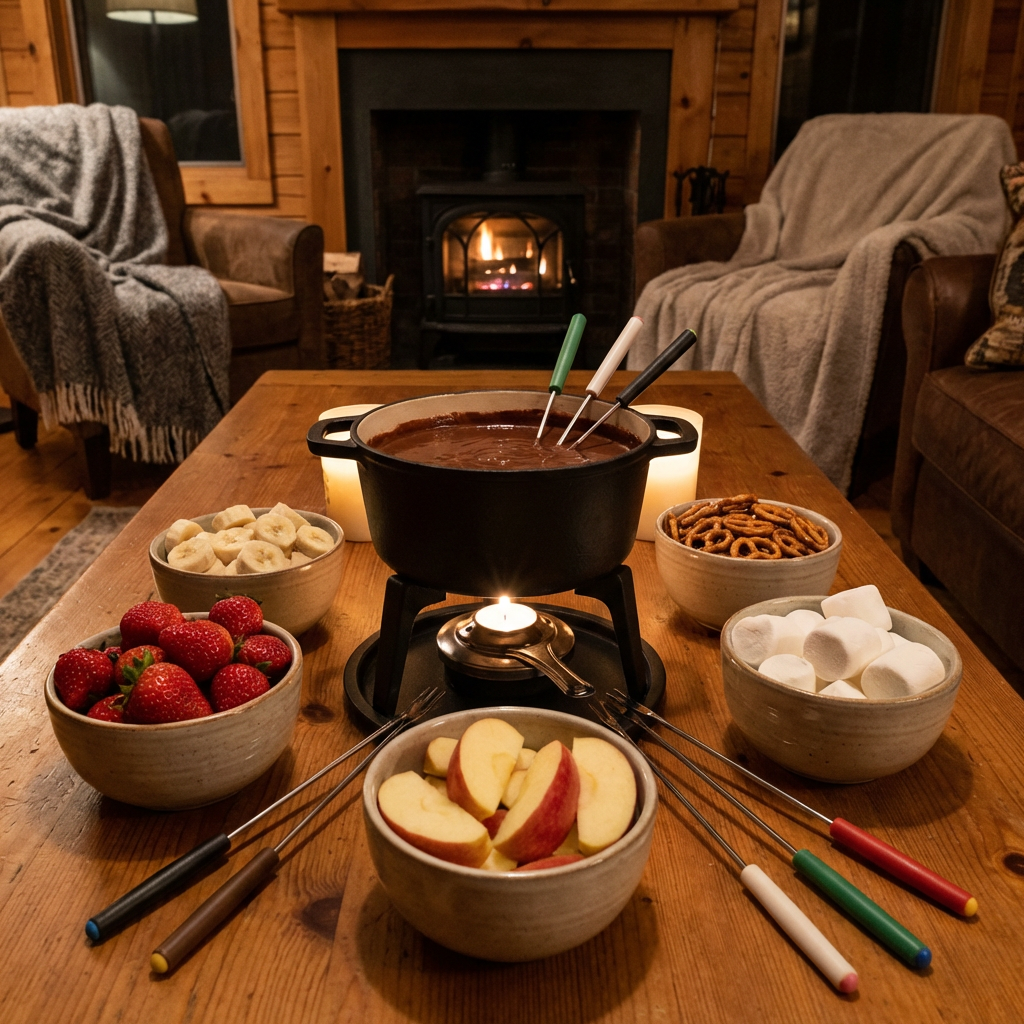
    10. Chocolate Fondue (Romantic Finale)

    romantic dessert ideas for couples at home fondue

    No romantic dinner is complete without dessert.

    What to Dip

    • Strawberries
    • Marshmallows
    • Bananas
    • Cookies

    Emotional Anchor: Sharing dessert triggers feelings of closeness and playfulness.

    How to Turn Dinner Into a Full Date Night Experience

    Cooking is just the beginning. Here’s how to elevate the entire night:

    Set the Scene

    • Dim lighting
    • Candles
    • Music playlist

    Remove Distractions

    • Put phones away
    • Focus on each other

    Add a Surprise Element

    • Love note
    • Small gift
    • Planned activity after dinner

    These small details create emotional peaks that people remember most.

    Recommended Tools to Elevate Your Date Night.

    If you want to make your at-home date nights effortless, here are some high-impact upgrades:

    Wine Subscription Boxes

    Perfectly paired wines delivered to your door.

    Meal Kit Services

    Pre-portioned ingredients + easy recipes (great for beginners)

    Romantic Ambiance Kits

    Candles, lighting, and decor bundles designed for couples

    These tools remove friction and make it easier to consistently create meaningful experiences together.

    FAQs

    What is a good romantic dinner for couples at home?

    Simple meals like pasta, steak, or salmon paired with candles and music create a romantic atmosphere.

    How do I make dinner feel special at home?

    Focus on ambiance, presentation, and shared experience—not just the food.

    What are easy dinner ideas for date night?

    Pasta, tacos, pizza, and chicken dishes are easy, quick, and customizable.

    Should couples cook together?

    Yes, cooking together builds connection and creates shared memories.

    What’s the best dessert for a romantic dinner?

    Chocolate fondue or anything interactive and shareable works best.

    Conclusion

    The best romantic dinners aren’t about perfection—they’re about connection, intention, and shared moments.

    These easy romantic dinner recipes for couples provide everything you need. They help create meaningful nights at home without stress or overwhelm.

    Start with just one recipe this week.

    Because the more you invest in these small moments…
    The stronger your relationship becomes over time.

    External Authority Sources

  • Best Date Night Ideas at Home for Fun and Romance

    Best Date Night Ideas at Home for Fun and Romance

    Spending quality time together doesn’t always need expensive restaurants or elaborate plans. In fact, some of the best date night ideas at home are simple, creative, and deeply meaningful. You want to reconnect after a busy week. You are celebrating a special occasion. Simply enjoying each other’s company can make staying in create unforgettable moments.

    Many couples struggle to come up with new activities that keep things exciting. Repeating the same routine, watching TV, or scrolling on phones can make evenings feel predictable. The good news is that with a little creativity, your home can become the perfect setting. It can set the stage for romance, laughter, and adventure.

    In this guide, you’ll discover romantic date night ideas. You’ll also find fun activities for couples. Explore creative DIY themes, and look into budget-friendly indoor date activities you can easily try tonight.

    Quick List of the Best Date Night Ideas at Home (Featured Snippet)

    If you’re short on time, here are some of the best date night ideas at home:

    1. Cook a romantic dinner together
    2. Have a themed movie night
    3. Plan a DIY wine or cocktail tasting
    4. Host a board game night for couples
    5. Try a virtual cooking or dance class
    6. Create a spa night at home
    7. Build a blanket fort and watch movies
    8. Start a couples’ bucket list
    9. Do a puzzle or creative craft together
    10. Have a backyard or indoor picnic

    These indoor date activities are simple, affordable, and designed to strengthen connection and create lasting memories.

    Romantic Date Night Ideas to Spark Connection

    Sometimes the most meaningful dates are the ones that help couples reconnect emotionally.

    Create a Candlelight Dinner at Home

    Couple preparing the best date night ideas at home with a romantic dinner.

    One of the most timeless romantic date night ideas is a candlelit dinner.

    Steps to plan it:

    1. Choose a simple but delicious menu
    2. Light candles and dim the lights
    3. Play relaxing background music
    4. Dress up as if you’re going to a restaurant

    At-home dinner ideas to try:

    • Homemade pasta night
    • Sushi rolling date
    • Taco bar dinner
    • DIY pizza making

    Cooking together not only creates a memorable experience but also encourages teamwork and conversation.

    Indoor Picnic Date

    Transform your living room into a cozy picnic spot.

    What you need:

    • A blanket
    • Finger foods
    • Candles or fairy lights
    • A relaxing playlist

    This budget-friendly date night is easy to set up and surprisingly romantic.

    DIY Couples Spa Night

    Turn your home into a relaxing spa.

    Ideas to include:

    • Face masks
    • Aromatherapy candles
    • Massage oils
    • Relaxing music

    A spa night is one of the best indoor date activities for couples who want to unwind and reconnect.

    Fun Activities for Couples at Home

    Not every date night needs to be romantic; sometimes, laughter is the best connection.

    Game Night Ideas for Couples

    Couple enjoying the best date night ideas at home with fun game night activities.

    A competitive game night can make your evening unforgettable.

    Popular options:

    • Board games (Scrabble, Codenames, Monopoly)
    • Card games
    • Trivia challenges
    • Video game competitions

    Add a twist by creating fun relationship challenges where the loser cooks dessert.

    Try a DIY Date Night Theme

    Themed dates add excitement and creativity.

    Popular DIY date night themes:

    • Italian dinner night
    • Parisian café evening
    • Mexican fiesta
    • 90s nostalgia movie night

    Decorate your space, dress the part, and choose matching food or music.

    Creative Date Ideas for Artistic Couples

    If you enjoy creative activities, try something artistic together.

    Examples include:

    • Painting or drawing together
    • DIY candle making
    • Scrapbooking memories
    • Creating a vision board for your future

    These creative date ideas help couples express themselves while building shared memories.

    Cozy Movie Night Suggestions

    Cozy movie setup showing the best date night ideas at home.

    Movie nights are classic for a reason, but with a few tweaks, they can feel brand new.

    Themed Movie Night

    Instead of randomly picking a film, create a theme.

    Examples:

    • Romantic comedy marathon
    • Classic movies night
    • Disney nostalgia night
    • Thriller movie challenge

    Add popcorn, blankets, and dim lighting for a cozy atmosphere.

    Build a Blanket Fort

    This playful activity brings out your inner child.

    Steps:

    1. Gather blankets and pillows
    2. Build a fort in the living room
    3. Watch a movie inside

    It’s simple but surprisingly romantic.

    Virtual Date Night Options for Long-Distance Couples

    If you and your partner are apart, virtual date night options can still create meaningful moments.

    Virtual Cooking Date

    Pick the same recipe and cook together over video call.

    Great recipe ideas:

    • Homemade pasta
    • Chocolate desserts
    • Sushi rolls

    You can enjoy the meal together once finished.

    Online Game or Trivia Night

    Many online platforms allow couples to play games remotely.

    Examples:

    • Online trivia apps
    • Multiplayer video games
    • Virtual escape rooms

    These fun activities for couples help keep connection even across distance.

    Budget-Friendly Date Nights at Home

    Romance doesn’t need spending a lot of money.

    Relationship Question Night

    Ask each other thoughtful questions.

    Examples:

    • What’s your favorite memory of us?
    • What’s a dream you want to pursue?
    • Where should we travel together someday?

    This activity builds emotional intimacy.

    Couples Bucket List Night

    Grab a notebook and create a shared bucket list.

    Include:

    • Travel destinations
    • Experiences you want together
    • Personal goals

    Planning the future together strengthens relationships.

    Planning Tips for the Perfect At-Home Date Night

    To make your date feel special:

    1. Remove distractions

    Turn off phones and notifications.

    2. Set the mood

    Lighting, music, and décor matter.

    3. Plan a surprise element

    Unexpected moments increase excitement.

    4. Take turns planning

    Alternate who organizes date night each week.

    These simple habits keep at-home date nights fresh and meaningful.

    Often Asked Questions

    What are the best date night ideas at home for couples?

    Some of the best options include cooking together, movie nights, game nights, DIY spa nights, and themed dinner dates.

    How can I make a date night at home feel special?

    Use candles, music, themed decorations, and planned activities to create a unique atmosphere.

    What are some budget-friendly date night ideas?

    Indoor picnics, movie marathons, relationship question games, and board game nights are affordable yet meaningful options.

    What are fun activities for couples to do at home?

    Game nights, creative crafts, cooking challenges, and DIY date themes are all engaging activities.

    What can long-distance couples do for virtual date nights?

    They can cook together online, watch movies at the same time, play online games, or attend virtual classes together.

    Conclusion

    The best date night ideas at home are the ones that create connection, laughter, and meaningful memories. You can have romantic dinners. Try creative DIY themes. Host game nights or arrange virtual dates. There are endless ways to make time together exciting without leaving your house.

    The key is intentionality: set aside time, remove distractions, and focus on enjoying each other’s company.

    Try one of these ideas this week and start turning ordinary evenings into unforgettable experiences.

    External Authority Sources

    Looking to deepen your connection beyond the kitchen? Explore expert-backed relationship insights from The Gottman Institute, known for its research on building lasting, healthy relationships.

    You can also discover practical cooking inspiration. Find step-by-step meal ideas at BBC Good Food. It’s a trusted source for easy and romantic recipes you can try together at home.

    Marriage Rescue Plan: 5 Steps to Save Your Relationship

  • Rebuilding Trust After Infidelity: A Step-by-Step Guide for Couples

    Rebuilding Trust After Infidelity: A Step-by-Step Guide for Couples

    Infidelity is one of the most painful experiences a relationship can face. The discovery of betrayal often leaves couples feeling overwhelmed with trust issues, anger, and emotional confusion. However, while betrayal can deeply damage a relationship, many couples successfully recover. Rebuilding trust after infidelity is challenging.

    With commitment, open communication, and emotional healing, it is possible to restore connection and strengthen the relationship.

    This guide explores the steps to rebuild trust. It provides strategies for infidelity recovery. It also offers practical ways couples can begin repairing their relationship after betrayal.

    Understanding the Impact of Infidelity on Relationships

    Couple experiencing trust issues while rebuilding trust after infidelity in their relationship.

    Infidelity affects both partners in complex ways. The betrayed partner is experience deep emotional pain. The partner who was unfaithful struggle with guilt, shame, and fear of losing the relationship.

    Common emotional responses include:

    • Shock and disbelief
    • Anger and resentment
    • Loss of trust and security
    • Anxiety about the future
    • Difficulty communicating openly

    Because trust is the foundation of every healthy relationship, rebuilding it requires time, patience, and a structured approach.

    Why Rebuilding Trust After Infidelity Takes Time

    Trust cannot be restored overnight. It develops through consistent behavior and transparency over time.

    When betrayal occurs, the brain begins to associate the partner with emotional danger or uncertainty. Rebuilding trust requires replacing those negative experiences with repeated positive interactions.

    Key elements required for recovery include:

    • Accountability
    • Honest communication
    • Emotional healing
    • Commitment after betrayal
    • Willingness from both partners to repair the relationship

    Featured Snippet: How Do You Rebuild Trust After Infidelity?

    Rebuilding trust after infidelity involves acknowledging the betrayal, taking responsibility, communicating openly, establishing transparency, and committing to consistent behavior changes. Couples often benefit from marriage counseling, trust-building activities, and emotional healing strategies to repair the relationship over time.

    9 Steps to Rebuilding Trust After Infidelity

    1. Acknowledge the Betrayal Honestly

    Healing begins with acknowledging the betrayal rather than minimizing it.

    The partner who was unfaithful must:

    • Accept responsibility
    • Avoid excuses
    • Validate their partner’s pain

    Honesty is the first step toward relationship repair.

    2. Allow Time for Emotional Healing

    The betrayed partner needs space to process emotions such as anger, sadness, and confusion.

    Healthy emotional healing involves:

    • journaling
    • talking openly with a partner
    • individual therapy
    • self-care practices

    Suppressing emotions can delay recovery and prolong trust issues.

    3. Establish Complete Transparency

    Transparency is essential for restoring trust.

    Examples include:

    • sharing schedules
    • being open about communication
    • answering questions honestly
    • reducing secrecy in the relationship

    These behaviors demonstrate commitment after betrayal.

    4. Improve Communication in Relationships

    Infidelity often reveals deeper communication problems.

    Couples should focus on:

    • listening without interrupting
    • expressing emotions respectfully
    • avoiding blame-focused conversations
    • discussing relationship needs

    Healthy communication in relationships helps prevent future misunderstandings.

    5. Set Clear Relationship Boundaries

    New boundaries help rebuild emotional safety.

    Examples of boundaries include:

    • ending contact with the third party
    • defining acceptable communication with others
    • setting expectations for honesty

    Boundaries protect the relationship during the recovery process.

    6. Practice Forgiveness in Marriage

    Forgiveness does not mean forgetting the betrayal. Instead, it means choosing to release ongoing resentment.

    Forgiveness often involves:

    • understanding the reasons behind the infidelity
    • acknowledging genuine remorse
    • allowing the relationship to grow beyond the mistake

    Forgiveness plays a vital role in infidelity recovery.

    7. Engage in Trust-Building Activities

    Couple strengthening their bond through trust-building activities while rebuilding trust after infidelity.

    Trust grows through positive shared experiences.

    Helpful activities include:

    • regular date nights
    • open weekly relationship check-ins
    • shared goals or hobbies
    • expressing appreciation daily

    These trust-building activities create new positive memories.

    8. Consider Marriage Counseling

    Professional support can significantly improve recovery.

    Marriage counseling provides:

    • neutral guidance
    • communication tools
    • structured conflict resolution
    • deeper emotional understanding

    A trained therapist helps couples navigate the complex emotions involved in betrayal.

    9. Commit to Long-Term Relationship Growth

    Rebuilding trust is not a single event—it is a long-term process.

    Healthy relationships require ongoing effort such as:

    • continued honesty
    • emotional support
    • regular communication
    • shared relationship goals

    When couples grow through the experience, they often develop a stronger emotional bond than before.

    Signs Trust Is Slowly Being Restored

    As couples work through infidelity recovery, certain positive changes begin to.

    Signs of progress include:

    • fewer trust-related conflicts
    • more open conversations
    • increased emotional closeness
    • greater transparency
    • renewed affection and commitment

    These signals indicate the relationship is moving toward healing.

    Common Mistakes Couples Make During Infidelity Recovery

    While trying to repair a relationship, couples sometimes make mistakes that slow the healing process.

    Common pitfalls include:

    • rushing forgiveness
    • avoiding difficult conversations
    • refusing accountability
    • dwelling constantly on past mistakes
    • ignoring professional support

    Avoiding these mistakes improves the chances of successful relationship repair.

    FAQ About Rebuilding Trust After Infidelity

    1. Can trust truly be rebuilt after infidelity?

    Yes. Many couples successfully rebuild trust when both partners commit to honesty, communication, and long-term relationship growth.

    2. How long does it take to rebuild trust after infidelity?

    Recovery varies. Rebuilding trust often takes months or even years. The duration depends on the circumstances and the effort both partners invest.

    3. Is forgiveness necessary to repair a relationship after cheating?

    Forgiveness is often essential because it allows emotional healing and helps couples move forward instead of remaining stuck in resentment.

    4. Should couples seek marriage counseling after infidelity?

    Marriage counseling can be extremely helpful. A therapist provides tools for communication, emotional healing, and structured trust rebuilding.

    5. What are the best trust-building activities for couples?

    Helpful activities include regular date nights, open communication exercises, relationship check-ins, and shared experiences that strengthen emotional connection.

    External Authority Sources

    If you’re looking for expert guidance while working on rebuilding trust after infidelity, these trusted resources can help. They offer research-based advice. They also provide practical support.

    The Gottman Institute’s infidelity recovery resources provide evidence-based relationship strategies from leading marriage researchers.

    You also find helpful psychological insights on healing and forgiveness through the Psychology Today infidelity and relationship recovery guide. It explains common emotional reactions. The guide also outlines steps couples can take to repair their relationship.

    Marriage Rescue Plan: 5 Steps to Save Your Relationship

    Conclusion

    Infidelity can deeply damage trust, but it does not always have to end a relationship. With patience, accountability, and consistent effort, rebuilding trust after infidelity is possible.

    By focusing on communication, emotional healing, forgiveness, and commitment, couples can gradually restore security and connection.

    If your relationship is recovering from betrayal, remember that healing is a journey. Take small steps toward honesty, transparency, and emotional understanding. These steps can eventually rebuild the trust needed for a stronger and healthier partnership.