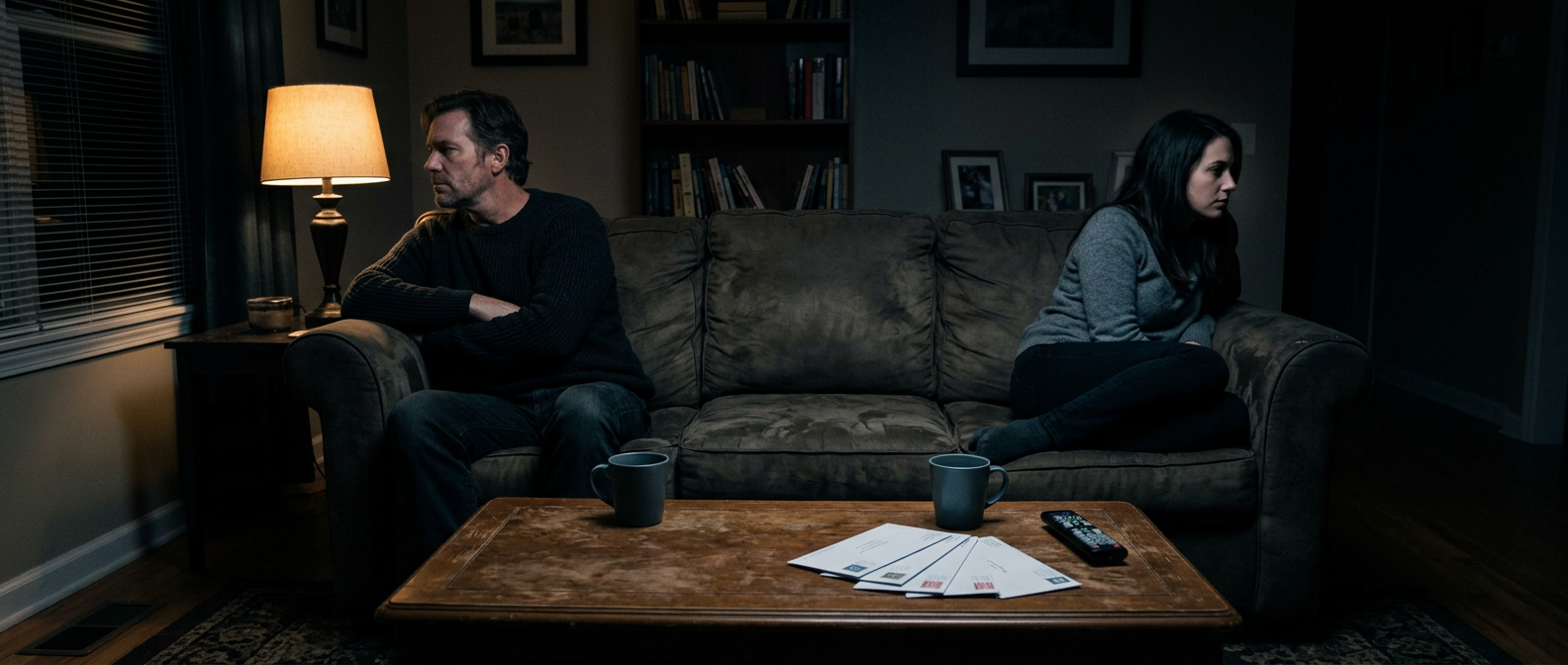
Feeling Your Husband Distant? Discover the Hidden Causes and Solutions

Couple sitting apart, illustrating husband distant emotional disconnect in marriage.

Explore More Relationship Insights

If you’ve been thinking, “Why is my husband distant lately?” you’re certainly not alone in this experience. Many women face moments in their marriages where they feel that their partner has become emotionally unavailable, disconnected, or withdrawn. It can be a confusing and isolating experience, often leading to feelings of frustration and sadness. Understanding the reasons behind this emotional distance is crucial; it can empower you to address underlying issues effectively. By recognizing that these changes are not uncommon, you can begin to explore ways to foster deeper connection and communication with your spouse, ultimately leading to a stronger bond.

A husband distant situation can feel perplexing, painful, and even alarming for many wives. However, it's important to remember that emotional distance doesn't always signify irreparable issues within your relationship. In fact, it often serves as an indicator of underlying problems that need attention. When approached with understanding and compassion, this distance can become a pivotal opportunity for growth and healing within your marriage. For instance, discussing feelings openly can shed light on fears or stressors your husband may be facing, allowing both of you to reconnect on a deeper level and strengthen your emotional ties.

In this guide, you’ll discover:

Explore More Relationship Insights

When a husband becomes distant, it usually reflects emotional withdrawal, which does not necessarily indicate a lack of love or commitment. This withdrawal could stem from various factors such as stress at work, personal challenges, or simply feeling overwhelmed by life’s demands. Recognizing this distinction is vital; it allows you to approach the situation with empathy rather than jumping to conclusions about his feelings for you. Instead of viewing his distance as a rejection, consider engaging him in open conversations where he feels safe expressing his thoughts and emotions without judgment.

Identifying Common Signs of Emotional Distance in Relationships

Woman looking concerned about her husband distant signs of emotional distance.
  • Less communication or shorter conversations
  • Avoiding quality time together
  • Reduced physical affection
  • Increased irritability or silence
  • Spending more time alone or distracted

These are classic indicators of marriage troubles, but they are also fixable with the right approach.

Explore More Relationship Insights

1. The Impact of Stress and External Pressure on Distance

Man stressed at work, reflecting on why his husband is distant due to stress.

Work stress, financial issues, or personal struggles can cause emotional shutdown.

  • Men often internalize stress
  • They will withdraw instead of communicating

2. Communication Breakdown Leading to Emotional Distance

Poor relationship communication is often one of the most significant reasons why your husband may seem distant. When couples struggle to express their feelings, thoughts, and concerns openly, it can create a barrier that leads to misunderstandings and emotional detachment. For instance, if you find it challenging to discuss important topics or share your daily experiences with each other, this could contribute to a growing sense of isolation. You might feel that your husband is not as engaged or interested in your life, which can amplify feelings of distance. By fostering an environment where both partners feel safe to communicate without judgment, you can bridge this gap and begin reconnecting on a deeper level.

  • Misunderstandings build up
  • Feelings go unexpressed
  • Emotional walls form over time

3. Understanding Factors Behind Emotional Burnout

Your husband can feel overwhelmed emotionally.

  • Too many responsibilities
  • Not enough emotional support
  • Feeling unappreciated

4. Resolving Unresolved Conflicts Affecting Connection

Lingering arguments can create silent tension.

  • Avoidance replaces resolution
  • Emotional disconnect deepens

5. Consequences of Loss of Intimacy in Relationships

A decline in emotional or physical intimacy often leads to distance in a relationship. When couples stop engaging in affectionate behaviors like hugging, kissing, or simply spending quality time together, it can create a noticeable rift. For example, if your husband has been less affectionate than usual or seems preoccupied during intimate moments, this lack of connection may leave you feeling neglected and unsure about his feelings for you. It's essential to recognize that intimacy is not solely about physical closeness; emotional bonds need nurturing too. Taking small steps to initiate romantic gestures or deep conversations can reignite the spark and help both partners feel valued and loved.

  • Routine replaces connection
  • Romance fades without effort

6. Navigating Personal Issues or Mental Health Together

Anxiety, depression, or identity struggles can significantly contribute to withdrawal from a partner. When your husband is grappling with these issues, he may retreat into himself rather than reach out for support. This distancing behavior can manifest as irritability, lack of interest in activities you once enjoyed together, or even silence during conversations. It's crucial to understand that these mental health challenges do not reflect his feelings towards you but rather indicate his internal battles. Encouraging open dialogue about his emotions while providing reassurance that you're there for him can be vital in helping him navigate through these tough times and restore the connection between you two.

7. Feeling Criticized or Misunderstood

Constant criticism can push someone away emotionally and lead them to feel undervalued within the relationship. If you're frequently pointing out flaws or expressing dissatisfaction with your husband's actions or choices, he may start to withdraw as a protective mechanism against perceived judgment. For example, if he feels that any attempt at sharing his thoughts or feelings will result in criticism rather than support, he may choose silence over vulnerability. It’s important to approach discussions with empathy and understanding instead of focusing solely on what’s wrong; recognizing his efforts and strengths can foster a healthier atmosphere where he feels encouraged to engage more openly.

8. Different Emotional Needs

You might find yourself wanting more connection than he naturally expresses due to differing emotional needs within the relationship. While some individuals thrive on frequent displays of affection and verbal affirmations of love, others might feel overwhelmed by such expectations. This discrepancy can lead to frustration on both sides: you may perceive him as distant when he simply expresses love differently. To bridge this gap, consider discussing your individual needs regarding connection and affection openly with each other. Understanding how your husband shows love—whether through acts of service, quality time, or words of affirmation—can help nurture a bond where both partners feel fulfilled and appreciated.

9. He’s Processing Something Internally

Sometimes distance isn’t about you at all.

Explore More Relationship Insights

Step 1 – Don’t Assume the Worst

Avoid jumping to conclusions like:

  • “He doesn’t love me anymore”
  • “Something is wrong with our marriage”

Instead, stay curious, not reactive.

Step 2 – Improve Relationship Communication

Use simple, non-confrontational language:

Example:

  • “I’ve noticed we haven’t been as connected lately. How are you feeling?”

Focus on:

  • Listening without interrupting
  • Avoiding blame
  • Creating emotional safety

Step 3 – Rebuild Emotional Intimacy

Try small, consistent actions:

  • Spend 10–15 minutes daily talking
  • Go on regular date nights
  • Show appreciation intentionally

Step 4 – Give Him Space (Without Disconnecting)

Balance is key:

  • Avoid chasing or pressuring
  • Stay emotionally available

Step 5 – Prioritize Your Own Well-Being

Coping with distance becomes easier when you:

  • Maintain your own hobbies
  • Build emotional resilience
  • Strengthen your confidence

Step 6 – Consider Professional Marriage Counseling

If you find that your husband remains emotionally distant, seeking help from a professional through marriage counseling can be a beneficial step. These sessions provide a safe space for both partners to express their feelings and concerns openly. A counselor can offer valuable insights and techniques tailored to your unique situation, helping you understand the underlying issues affecting your relationship. This process not only aids in identifying patterns of behavior but also encourages healthier communication methods, ultimately allowing both of you to reconnect on a deeper level.

  • Provides neutral ground
  • Improves communication
  • Helps resolve deeper issues

Explore More Relationship Insights

Why is my husband distant lately?A husband can become distant due to various factors such as overwhelming stress from work or personal life, poor communication habits that have developed over time, emotional burnout from constant pressures, unresolved conflicts that linger in the background, or even a noticeable loss of intimacy that once defined your connection. Understanding these reasons is crucial because it opens the door to constructive dialogue. The best way to reconnect is through open and honest communication, providing emotional support during tough times, and gradually rebuilding intimacy through shared experiences and quality time together.

Explore More Relationship Insights

Discover 5 Effective Strategies to Reconnect with Your Husband

  1. Start meaningful conversations daily
  2. Express appreciation regularly
  3. Create shared experiences (dates, activities)
  4. Reintroduce physical affection
  5. Address issues calmly and directly

Consistency matters more than intensity.

Explore More Relationship Insights

A husband distant phase can feel overwhelmingly challenging, but it often serves as a critical turning point in your relationship rather than a definitive ending. This period may signify deeper issues that need addressing and could lead to growth if approached with care and understanding. Recognizing this phase as an opportunity rather than merely a struggle allows both partners to reflect on their needs and desires within the marriage. It’s essential to remember that many couples experience similar challenges; therefore, it's vital to stay hopeful and proactive about finding solutions together.

Understand the root causes behind his distance, whether they stem from external pressures or internal struggles. Improve relationship communication by being vulnerable and expressing your own feelings while inviting him to share his thoughts without judgment. Take intentional steps toward reconnecting with your partner, like scheduling regular check-ins about each other's emotions or planning enjoyable activities together that foster closeness. By actively engaging in these practices, you create an environment where emotional closeness can be rebuilt over time.

Next Step:Start small today by having one honest conversation about how you both feel, showing genuine appreciation for each other’s efforts, or planning dedicated time together away from daily distractions. Small actions lead to big breakthroughs; they lay the foundation for more profound changes in your relationship dynamic, making it easier for both of you to address any lingering issues constructively.

Explore More Relationship Insights

What Causes My Husband to Suddenly Become Emotionally Distant?

Sudden emotional distance in your relationship with your husband can often be attributed to various underlying issues such as stress, unresolved conflict, or internal struggles. It's essential to understand that this husband distant behavior is usually not indicative of a loss of love but rather a manifestation of other pressures he may be facing. For instance, if he's dealing with work-related stress, it could lead him to withdraw emotionally as he processes his feelings. Similarly, unresolved arguments or misunderstandings can create a rift that makes him feel like he needs space. Recognizing these triggers is the first step towards addressing the emotional disconnect and finding ways to reconnect.

Is Giving My Distant Husband Space the Right Approach?

Yes, while giving your husband some space can be beneficial, it's crucial to balance this with maintaining emotional availability. Allowing him time to process his thoughts and feelings is important, but you must also ensure that the connection between you remains strong. This means reaching out in thoughtful ways—perhaps through gentle texts or small gestures that show you're still there for him without overwhelming him. Remember, healthy relationships thrive on both independence and togetherness; therefore, finding that balance will help mitigate the distance and keep the lines of communication open.

Can a Distant Husband Rediscover His Love for You?

Absolutely! With intentional effort and improved communication strategies, it is entirely possible to rebuild the emotional connection that may have diminished over time. Start by actively listening when he shares his thoughts and feelings; this creates an environment where he feels safe opening up. You might consider setting aside regular times for heartfelt conversations where both of you can express your emotions freely. Small acts of kindness and affection can also go a long way in reinforcing your bond. Remember, consistency is key; by showing commitment to understanding each other better, you can navigate through this challenging phase together.

How to Approach Your Husband About His Emotional Distance?

Use calm, non-accusatory language and focus on your feelings rather than blaming him.

When Should You Be Concerned About Your Husband's Distant Behavior?

If distance is prolonged, worsening, or paired with secrecy or hostility, it requires deeper attention or professional help.

How Long Can Emotional Distance Persist in a Marriage?

Emotional distance in a marriage can sometimes linger for weeks or even months, influenced by various underlying factors. It's crucial to understand that this distance is not just a phase but often signifies deeper issues that require attention. With open communication and intentional effort, many couples begin to reconnect within a short time. By actively discussing feelings, acknowledging concerns, and making a conscious effort to spend quality time together, you can bridge the gap of emotional distance with your husband. Engaging in activities that you both enjoy or trying new experiences together can also help revive the spark and foster intimacy, ultimately leading to a more fulfilling relationship.

Does a Distant Husband Indicate He’s Losing Interest in the Relationship?

Not necessarily is a distant husband indicative of disinterest in the relationship. Often, he may be grappling with stress or emotional burnout from external pressures such as work or family responsibilities. It’s important to recognize that these challenges might lead him to withdraw emotionally rather than indicate a loss of love or commitment. Communication barriers can further exacerbate this situation, leaving both partners feeling isolated and misunderstood. Instead of jumping to conclusions about his feelings, consider approaching him with empathy and curiosity to explore what he might be going through. This understanding can pave the way for deeper conversations and reconnection.

Explore More Relationship Insights

For deeper insight into relationship dynamics and to better understand why your husband may be feeling distant, research-backed resources can provide invaluable guidance. The American Psychological Association emphasizes that effective communication patterns play a pivotal role in maintaining healthy relationships. By studying these patterns, you can identify areas where improvements are needed and learn techniques that promote understanding and connection between partners.

Additionally, exploring insights from The Gottman Institute can provide evidence-based strategies specifically designed for improving intimacy and emotional closeness in relationships. Their research highlights practical steps couples can take to enhance their bond and address issues related to emotional distance effectively.

You can also delve into emotional connection research from Psychology Today, which offers valuable insights into the complexities of human emotions within relationships. Understanding these nuances can empower you to engage with your husband on a deeper level and foster an environment conducive to openness and vulnerability.