
Introduction FWB Friends with Benefits
Ever heard someone say they’re in an “FWB Friends With Benefits situation and wondered what that really means?
FWB Friends With Benefits is one of the most talked-about relationship dynamics today. It is especially popular among young adults. They explore casual relationships without long-term commitment.
But here’s the problem:
Most people think they understand it until feelings, boundaries, or expectations get complicated.
In this guide, you’ll learn:
- The real friends with benefits meaning
- How FWB relationship dynamics work
- The benefits, risks, and emotional boundaries involved
- Whether a FWB setup is right for you
Featured Snippet: Quick Answer
What does FWB mean in a relationship?
FWB Friends With Benefits is a relationship where two people maintain a friendship. They engage in physical intimacy without romantic commitment. It typically involves clear boundaries, communication, and mutual agreement to keep things casual.
Friends With Benefits Meaning Explained
What Is an FWB Relationship?
An FWB relationship is a type of casual relationship where:
- Two people are friends
- They engage in sexual or physical intimacy
- There is no expectation of exclusivity or long-term commitment
Unlike traditional dating, the focus is on enjoyment and convenience, not building a future together.
Key Characteristics of FWB
- No romantic obligations
- Flexible expectations
- Mutual consent and understanding
- Often short-term or situational
FWB Relationship Dynamics (How It Actually Works)
Understanding FWB relationship dynamics is critical if you want it to work without drama.
1. Clear Communication in FWB
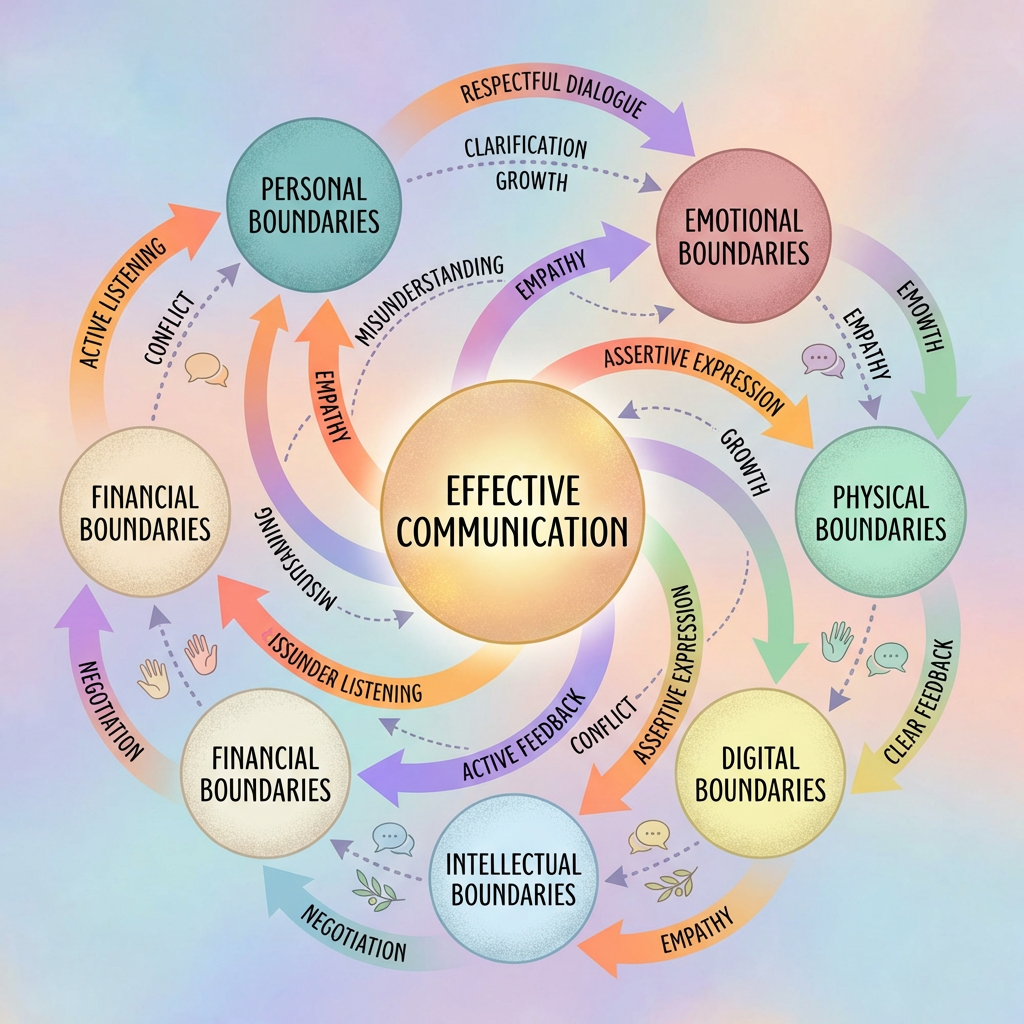
Successful FWB setups rely heavily on communication in FWB:
- Define expectations early
- Discuss boundaries
- Be honest about intentions
Without communication, FWB quickly turns messy.
2. Emotional Boundaries in FWB
One of the biggest challenges is maintaining emotional boundaries in FWB.
Set limits like:
- No “couple-like” behaviors (e.g., constant texting, dates)
- Avoid emotional dependency
- Check in regularly about feelings
3. The FWB Agreement
Many people overlook the importance of an FWB agreement (formal or informal).
This includes:
- Exclusivity (or not)
- Frequency of meetups
- Privacy expectations
- Exit strategy
Benefits of FWB (Why People Choose It)
There are several benefits of FWB, especially for people not ready for commitment.
Top Advantages
- No pressure → No need to define the relationship
- Physical satisfaction → Without emotional responsibility
- Flexibility → Fits into busy lifestyles
- Companionship → Without full commitment
Who Is FWB Best For?
FWB works best for:
- Busy professionals
- People recovering from breakups
- Individuals exploring their independence
- Those not ready for serious dating
FWB vs. Dating (Key Differences)
FWB vs. Dating Comparison
| Feature | FWB | Dating |
|---|---|---|
| Commitment | None | Expected |
| Emotional involvement | Limited | High |
| Future planning | No | Yes |
| Exclusivity | Optional | Often expected |
In short:
FWB = casual + physical
Dating = emotional + long-term potential
Risks of FWB (What Can Go Wrong)
While it sounds simple, there are real risks of FWB.
Common Challenges
- One person develops feelings
- Jealousy issues
- Misaligned expectations
- Friendship damage
Navigating Feelings in FWB
Navigating feelings in FWB is the hardest part.
If feelings arise:
- Acknowledge them honestly
- Communicate with your partner
- Decide whether to continue or stop
Ignoring emotions almost always leads to complications.
How to Make an FWB Relationship Work
Step-by-Step Guide
- Be upfront from the start
- Set clear boundaries
- Avoid relationship-like habits
- Check in regularly
- Have an exit plan
Golden Rules for FWB Success
- Don’t assume anything
- Don’t mix signals
- Don’t ignore emotional changes
Is FWB Right for You?
Ask yourself:
- Are you emotionally detached enough?
- Can you handle ambiguity?
- Are you okay if it ends suddenly?
If the answer is “no,” a traditional relationship is better.
Internal Linking Opportunities
- Casual relationship types → Guide to Modern Dating Styles
- Healthy relationship boundaries → How to Set Boundaries in Relationships
- Dating vs relationship → Difference Between Dating and Being in a Relationship
- Emotional intelligence in relationships → How to Manage Emotions in Dating
- Communication in relationships → Effective Communication Skills for Couples
External Authority Sources
- Psychology Today (relationships & intimacy research)
- Healthline (mental and emotional well-being)
- American Psychological Association (relationship studies)
FAQ Section
1. Is FWB the same as a relationship?
No. FWB is a casual arrangement without commitment, while a relationship typically involves emotional connection and long-term intent.
2. Can FWB turn into a real relationship?
Yes, but it’s not guaranteed. It requires mutual feelings and a shift in expectations.
3. How long do FWB relationships last?
They can last weeks, months, or longer—depending on compatibility and boundaries.
4. Is FWB healthy?
It can be healthy if both parties communicate clearly and respect boundaries.
5. What should you avoid in FWB?
Avoid emotional dependency, unclear expectations, and mixed signals.
6. Do both people in FWB have to agree on rules?
Yes. A clear FWB agreement is essential to avoid misunderstandings. Both people should openly discuss boundaries, expectations, and limits.
7. Can you be exclusive in an FWB relationship?
Yes, some FWB arrangements include exclusivity, but it must be mutually agreed upon. Otherwise, most FWB setups remain non-exclusive.
8. How do you end an FWB relationship without drama?
Be honest and direct. Communicate your reasons clearly, respect the other person’s feelings, and avoid ghosting to maintain mutual respect.
Conclusion
FWB Friends With Benefits can be a fun, flexible way to explore intimacy without commitment. However, it’s not as simple as it sounds.
Success comes down to:
- Clear communication
- Strong emotional boundaries
- Mutual respect
If done right, it can work. If not, it can quickly become complicated.
Next Step:
If you’re exploring modern relationships, consider learning more about emotional intelligence. Understanding communication is also essential. They’re the real keys to making any relationship work.
Want a step-by-step plan to fix your relationship?
Start here:
Free: 7-Day Marriage Communication Reset Plan
A simple, proven plan to help you reconnect and communicate better starting today.
Or, if you’re not sure where to begin:
Relationship Reset Guide
Get clarity on what’s really going wrong and how to fix it.