Tag: trust issues

  • How to Build Trust in a Relationship

    How to Build Trust in a Relationship

    Introduction

    Trust is the foundation of every healthy relationship, but it’s also one of the easiest things to break.

    It’s essential to learn how to build trust in a relationship. You are dealing with past betrayals. There be communication issues or emotional distance. This skill is crucial for long-term happiness and stability.

    The good news? Trust can be built and even rebuilt with the right strategies. In this guide, you’ll discover practical, proven ways to strengthen your relationship through honesty, communication, and emotional connection.

    Featured Snippet: How to Build Trust in a Relationship

    To build trust in a relationship:

    • Practice open communication and honesty
    • Be consistent and reliable
    • Show emotional support
    • Respect boundaries
    • Use trust-building exercises regularly

    These habits help create a secure, strong, and lasting relationship.

    Why Trust Is Essential in Relationships

    Trust isn’t just about loyalty it’s about emotional safety.

    When trust exists:

    • Partners feel secure and valued
    • Communication becomes easier
    • Conflict is easier to resolve

    When trust is broken:

    • Doubt and anxiety increase
    • Communication shuts down
    • Emotional distance grows

    Signs of Trust Issues in a Relationship

    Common Trust Issues

    • Constant suspicion or jealousy
    • Checking your partner’s phone or social media
    • Difficulty opening up emotionally
    • Fear of being vulnerable

    Causes of Trust Issues

    • Past relationship trauma
    • Dishonesty or betrayal
    • Lack of communication
    • Broken promises

    Recognizing these signs is the first step toward rebuilding trust.

    Core Principles to Build Trust in a Relationship

    Build Trust in a Relationship open communication discussion

    1. Open Communication

    Honest conversations are the backbone of trust.

    How to Improve Open Communication:

    • Speak honestly even when it’s uncomfortable
    • Listen without interrupting
    • Clarify misunderstandings

    2. Honesty and Transparency

    Trust grows when there are no hidden agendas.

    Practice Transparency By:

    • Being truthful about your actions
    • Sharing important information
    • Avoiding secrets

    3. Consistency Builds Reliability

    Trust isn’t built overnight, it’s built through consistent actions.

    Examples:

    • Keeping promises
    • Showing up on time
    • Following through on commitments

    4. Emotional Support

    A strong relationship requires emotional presence.

    Ways to Show Emotional Support:

    • Validate your partner’s feelings
    • Offer encouragement
    • Be there during difficult times

    5. Understanding Boundaries

    Healthy boundaries protect trust.

    Examples of Boundaries:

    • Personal space
    • Privacy
    • Emotional limits

    Respecting boundaries shows respect and builds security.

    Step-by-Step Guide to Rebuilding Trust

    Build Trust in a Relationship rebuilding trust conversation

    If trust has been broken, rebuilding it takes time and effort.

    Step 1: Acknowledge the Issue

    • Be honest about what happened
    • Take responsibility without excuses

    Step 2: Commit to Change

    • Identify what needs to improve
    • Set clear expectations

    Step 3: Practice Transparency Daily

    • Share updates and intentions
    • Be open about actions

    Step 4: Rebuild Emotional Connection

    Build Trust in a Relationship emotional support connection
    • Spend quality time together
    • Engage in open conversations

    Step 5: Be Patient

    Trust rebuilds slowly.

    Consistency over time is what restores confidence.

    Trust-Building Exercises for Couples

    1. Daily Check-In Conversations

    Spend 10–15 minutes discussing:

    • Feelings
    • Challenges
    • Wins

    2. Appreciation Practice

    Each partner shares:

    • One thing they appreciate daily

    3. Vulnerability Exercise

    Take turns answering:

    • “What’s something I’m afraid to tell you?”

    4. Trust Agreement

    Create a shared agreement:

    • Expectations
    • Boundaries
    • Communication rules

    The Role of Vulnerability in Relationships

    Vulnerability is often misunderstood as weakness, but it’s actually a strength.

    Why Vulnerability Matters

    • Builds emotional intimacy
    • Encourages honesty
    • Deepens connection

    How to Practice Vulnerability

    • Share fears and insecurities
    • Be open about needs
    • Accept your partner’s emotions

    Common Mistakes That Destroy Trust

    Avoid these at all costs:

    • Lying (even small lies)
    • Breaking promises
    • Avoiding difficult conversations
    • Ignoring your partner’s feelings

    FAQ Section

    1. How long does it take to build trust in a relationship?

    It depends on the situation, but consistent actions over weeks or months are required to build or rebuild trust.

    2. Can trust be rebuilt after betrayal?

    Yes, with honesty, transparency, and consistent effort, trust can be rebuilt over time.

    3. What are the best trust-building exercises?

    Daily check-ins, appreciation practices, and vulnerability exercises are highly effective.

    4. Why is vulnerability important in relationships?

    Vulnerability builds emotional intimacy and helps partners connect on a deeper level.

    5. What causes trust issues in relationships?

    Trust issues often stem from past experiences, dishonesty, or lack of communication.

    Conclusion

    Learning to build trust in a relationship is crucial. It is one of the most important investments you can make in your partnership.

    By focusing on:

    • Open communication
    • Honesty and transparency
    • Emotional support
    • Consistency

    You can create a strong, secure, and lasting relationship.

    Your next step:
    Start with one small action today whether it’s a deeper conversation or a simple act of honesty. Trust is built one moment at a time.

    External Authority Links

    The Gottman Institute – Building Trust in Relationships

    American Psychological Association – Trust in Relationships

    Psychology Today – Understanding Trust

    Free Marriage Communication Checklist

  • Marriage Destruction: What Is the #1 Thing That Destroys Marriages?

    Marriage Destruction: What Is the #1 Thing That Destroys Marriages?

    Introduction

    Most marriages don’t fall apart overnight they slowly break down over time.

    If you’re trying to understand Marriage Destruction, the real issue isn’t always obvious. While many people blame infidelity or financial problems, the truth is deeper and more subtle.

    This article uncovers the #1 thing that destroys marriages. It explains how it develops. It shows you how to stop it before it’s too late.

    Featured Snippet: What Is the #1 Thing That Destroys Marriages?

    The #1 cause of marriage destruction is poor communication, which leads to emotional disconnect, resentment, and unresolved conflicts over time.

    When couples stop communicating effectively, trust erodes, intimacy declines, and small issues grow into major relationship problems.

    Why Poor Communication Leads to Marriage Destruction

    Marriage Destruction poor communication conflict between partners

    Communication is the foundation of every healthy relationship. Without it, everything else begins to collapse.

    Poor communication creates:

    • Emotional disconnect
    • Misunderstandings
    • Unresolved conflicts
    • Growing resentment
    • Trust issues

    Over time, these issues compound, leading to full-scale marriage destruction.

    The Hidden Danger of Emotional Disconnect

    Marriage Destruction emotional disconnect and lack of connection

    Emotional disconnect is often the first visible symptom of marriage destruction.

    Real-Life Example

    Imagine a couple who used to talk for hours every night. Over time, work stress increases, conversations shrink, and eventually, they only discuss logistics bills, schedules, responsibilities.

    They’re still living together but emotionally, they’re miles apart.

    Signs of Emotional Disconnect:

    • Conversations feel surface-level or forced
    • Lack of affection or intimacy
    • Feeling lonely within the marriage
    • Avoiding meaningful discussions

    “We stopped arguing but we also stopped talking.”
    Common reflection from couples in struggling marriages

    Why This Matters

    When emotional connection fades, the relationship becomes vulnerable to:

    • Infidelity
    • Lack of commitment
    • Long-term dissatisfaction

    How Poor Communication Triggers Other Marriage Issues

    Poor communication doesn’t exist in isolation it fuels other problems:

    Infidelity

    When emotional needs aren’t met, some partners seek connection elsewhere.

    Trust Issues

    Lack of transparency leads to suspicion and insecurity.

    Example Scenario

    One partner avoids difficult conversations about finances or stress. The other begins to feel excluded and suspicious. Over time, this turns into trust issues, even if no betrayal occurred.

    Key Insight

    Trust is built through:

    • Transparency
    • Consistency
    • Open communication

    Without these, even small misunderstandings can spiral into major relationship damage.

    Financial Problems

    Miscommunication about money leads to conflict and stress.

    Resentment

    Unspoken frustrations build into long-term bitterness.

    Unresolved Conflicts

    Arguments repeat without resolution, creating a toxic cycle.

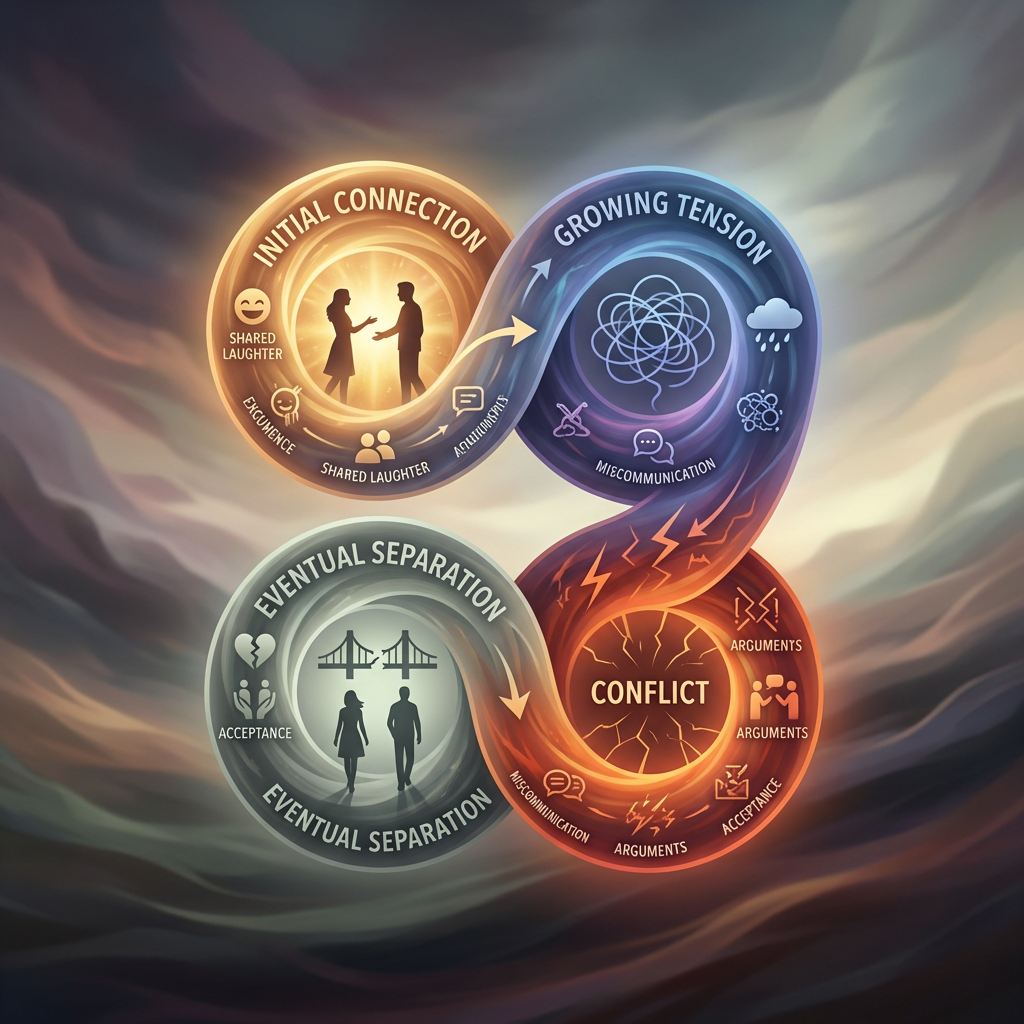
    The Breakdown Cycle of Marriage Destruction

    Marriage Destruction cycle of unresolved conflicts and resentment

    Understanding the cycle helps you stop it early.

    Step 1 – Poor Communication Begins

    • Conversations become shallow or tense
    • Important topics are avoided

    Step 2 – Emotional Disconnect Develops

    • Partners feel unheard and unsupported

    Step 3 – Resentment Builds

    • Small issues become major emotional triggers

    Step 4 – Trust Issues Emerge

    • Doubt, insecurity, and suspicion increase

    Step 5 – Relationship Breakdown

    • Conflict escalates or emotional withdrawal becomes permanent

    Other Major Contributors to Marriage Destruction

    While poor communication is the root cause, other factors accelerate the process.

    Infidelity

    • Breaks trust instantly
    • Often a symptom of deeper emotional disconnect

    Financial Problems

    • Stress from debt or spending differences
    • Creates ongoing tension

    Lack of Commitment

    • One or both partners stop investing in the relationship

    Inequality in Responsibilities

    • One partner feels overburdened or unsupported

    Compatibility Issues

    • Misaligned values, goals, or lifestyles

    Unresolved Conflicts

    . Repeated arguments with no resolution create long-term damage.

    How to Prevent Marriage Destruction (Action Plan)

    Here’s how to interrupt the cycle before it’s too late.

    1. Rebuild Communication Daily

    Practical Framework:

    • Ask: “How are you really feeling today?”
    • Listen without interrupting
    • Reflect back what you heard

    Quick Win:

    Spend 10 minutes daily in distraction-free conversation.

    2. Address Problems Early

    Small issues become big ones when ignored.

    Do this instead:

    • Bring up concerns calmly
    • Avoid blame-based language
    • Focus on solutions, not winning

    3. Reconnect Emotionally

    Simple but Powerful Actions:

    • Share one meaningful thought daily
    • Express appreciation regularly
    • Spend intentional time together

    4. Rebuild Trust Through Action

    Trust is rebuilt through consistency not promise.

    Weekly Exercise:

    • Make one small commitment
    • Follow through completely

    5. Seek Help Before It’s Critical

    Strong couples don’t wait until things are broken.

    Options include:

    Communication workshop problems are preventable.

    Marriage counseling

    Relationship coaching

    1. Rebuild Communication First

    Focus on:

    • Active listening
    • Honest conversations
    • Regular check-ins

    Simple Framework:

    • “I feel…” instead of blame
    • Ask before assuming
    • Clarify instead of reacting

    2. Address Issues Early

    Don’t let problems grow.

    Action Steps:

    • Talk about concerns immediately
    • Avoid silent resentment
    • Solve small problems quickly

    3. Reconnect Emotionally

    Strengthen your bond through:

    • Quality time
    • Shared experiences
    • Meaningful conversations

    4. Create Shared Goals

    Alignment reduces conflict.

    Examples:

    • Financial planning
    • Family priorities
    • Lifestyle goals

    5. Seek Help When Needed

    If issues persist:

    • Marriage counseling
    • Relationship coaching
    • Communication workshops

    External Authority Sources

    FAQ Section

    What is the main cause of marriage failure?

    The main cause is poor communication, which leads to emotional disconnect, resentment, and trust issues.

    2. Can marriages survive poor communication?

    Yes, if both partners are willing to improve communication and address issues early.

    3. Is infidelity the biggest cause of divorce?

    Infidelity is a major factor, but it is often a result of deeper issues like emotional disconnect and poor communication.

    4. How do you know if your marriage is in trouble?

    Signs include constant arguments, lack of communication, emotional distance, and unresolved conflicts.

    5. How can couples prevent marriage destruction?

    By improving communication, addressing problems early, and maintaining emotional connection.

    Conclusion

    Marriage doesn’t usually fail because of one dramatic event it fails because of consistent breakdowns in communication.

    The #1 driver of Marriage Destruction is poor communication, which quietly leads to emotional disconnect, resentment, and trust issues.

    The solution is simple but not always easy:

    • Communicate openly
    • Address issues early
    • Stay emotionally connected

    Your next step:
    Start one honest conversation today. It will change the direction of your entire relationship.

  • Marriage Issues: Top 3 Problems Couples Face (And How to Fix Them)

    Marriage Issues: Top 3 Problems Couples Face (And How to Fix Them)

    Introduction

    Every relationship faces challenges but not all couples know how to handle them effectively. If you’ve ever wondered why marriages struggle, you’re not alone. The truth is, most Marriage Issues fall into a few predictable categories. The good news? Once you understand them, you can fix them.

    In this guide, we’ll break down the top 3 issues in marriage. We will explain why they happen. We will also show you practical steps to overcome them. These actions will help you build a stronger, healthier relationship.

    Featured Snippet: What Are the Top 3 Issues in Marriage?

    The top 3 issues in marriage are:

    1. Communication Problems – Misunderstandings and lack of open dialogue
    2. Financial Disagreements – Conflicts over money, spending, and priorities
    3. Trust Issues – Lack of honesty, insecurity, or betrayal

    These problems often lead to emotional disconnect and unresolved conflicts if not addressed early.

    Why Understanding Marriage Issues Matters

    Ignoring problems doesn’t make them disappear it makes them worse.

    Common consequences include:

    • Emotional disconnect
    • Intimacy challenges
    • Parenting conflicts
    • Long-term resentment
    • Divorce risk

    1. Communication Problems in Marriage

    Marriage Issues communication problems discussion between partners

    What Causes Communication Problems?

    Communication issues are the #1 cause of most marriage issues.

    They often stem from:

    • Lack of active listening
    • Assumptions instead of clarity
    • Avoiding difficult conversations
    • Poor emotional expression

    Signs of Communication Problems

    • Frequent arguments over small things
    • Feeling misunderstood
    • Silent treatment or withdrawal
    • Escalating unresolved conflicts

    How to Fix Communication Problems (Step-by-Step)

    1. Practice Active Listening

    • Focus fully on your partner
    • Repeat what they say to confirm understanding

    2. Use “I” Statements

    Instead of blaming:

    • “You never listen”
    • “I feel unheard when we don’t talk things through.”

    3. Schedule Weekly Check-Ins

    • Set aside 20–30 minutes weekly
    • Discuss concerns calmly

    4. Avoid Conflict Escalation

    • Take breaks during heated arguments
    • Return with a calm mindset

    2. Financial Disagreements in Marriage

    Marriage Issues financial disagreements budgeting conflict

    Why Money Causes Conflict

    Money is one of the most sensitive topics in relationships.

    Common triggers:

    • Different spending habits
    • Debt or financial stress
    • Lack of transparency
    • Different financial goals

    Signs of Financial Disagreements

    • Arguments about spending
    • Hidden purchases
    • Stress about bills
    • Unequal financial responsibility

    How to Fix Financial Disagreements

    1. Create a Shared Budget

    • List income and expenses
    • Agree on spending limits

    2. Set Financial Goals Together

    Examples:

    • Saving for a home
    • Paying off debt
    • Planning retirement

    3. Be Transparent About Money

    • Share accounts, debts, and obligations
    • Avoid financial secrecy

    4. Divide Responsibilities Fairly

    • Assign roles based on strengths
    • Review regularly

    Pro Tip: Couples who align financially experience fewer emotional disconnect issues and stronger long-term stability.

    3. Trust Issues in Marriage

    What Causes Trust Issues?

    Trust issues can develop from:

    • Infidelity
    • Dishonesty
    • Broken promises
    • Emotional neglect

    Signs of Trust Issues

    • Constant suspicion
    • Checking phones or accounts
    • Lack of emotional safety
    • Difficulty opening up

    How to Rebuild Trust

    1. Commit to Honesty

    • Be transparent—even when it’s uncomfortable

    2. Take Responsibility

    • Acknowledge mistakes without defensiveness

    3. Be Consistent Over Time

    • Trust is rebuilt through repeated actions

    4. Consider Professional Help

    • Marriage counseling can accelerate healing

    Other Common Marriage Issues (Supporting Factors)

    While the top 3 dominate, these also play a role:

    Intimacy Challenges

    • Physical or emotional distance
    • Stress or lifestyle imbalance

    Parenting Conflicts

    • Different discipline styles
    • Disagreements on values

    Time Management Problems

    • Work-life imbalance
    • Lack of quality time

    Compatibility Issues

    • Different long-term visions
    • Personality clashes

    Frequently Asked Questions (FAQ)

    1. What is the biggest issue in most marriages?

    The biggest issue is communication problems, as it affects every other aspect of the relationship.

    2. How do you fix marriage issues quickly?

    • Identify the root problem
    • Communicate openly
    • Take consistent action
    • Seek help if needed

    3. Are financial disagreements normal in marriage?

    Yes, but they must be managed through transparency, shared goals, and budgeting.

    4. Can trust be rebuilt after it’s broken?

    Yes, but it requires honesty, consistency, and time.

    5. When should couples seek counseling?

    When issues persist despite efforts, or when communication breaks down completely.

    Conclusion

    Every marriage faces challenges, but the difference between struggling and thriving couples comes down to awareness and action.

    The top 3 Marriage Issues communication problems, financial disagreements, and trust issues, are common but completely solvable.

    Start small:

    • Have one honest conversation
    • Align on one shared goal
    • Rebuild one layer of trust

    Over time, these small steps create massive change.

    Your next move:
    Take 10 minutes today to talk openly with your partner about one of these issues. You’ll be surprised how much progress you can make.

    External Authority Sources

  • 10 Shocking Reasons What Makes Men Cheat and How to Stop It (Expert Insights)

    10 Shocking Reasons What Makes Men Cheat and How to Stop It (Expert Insights)

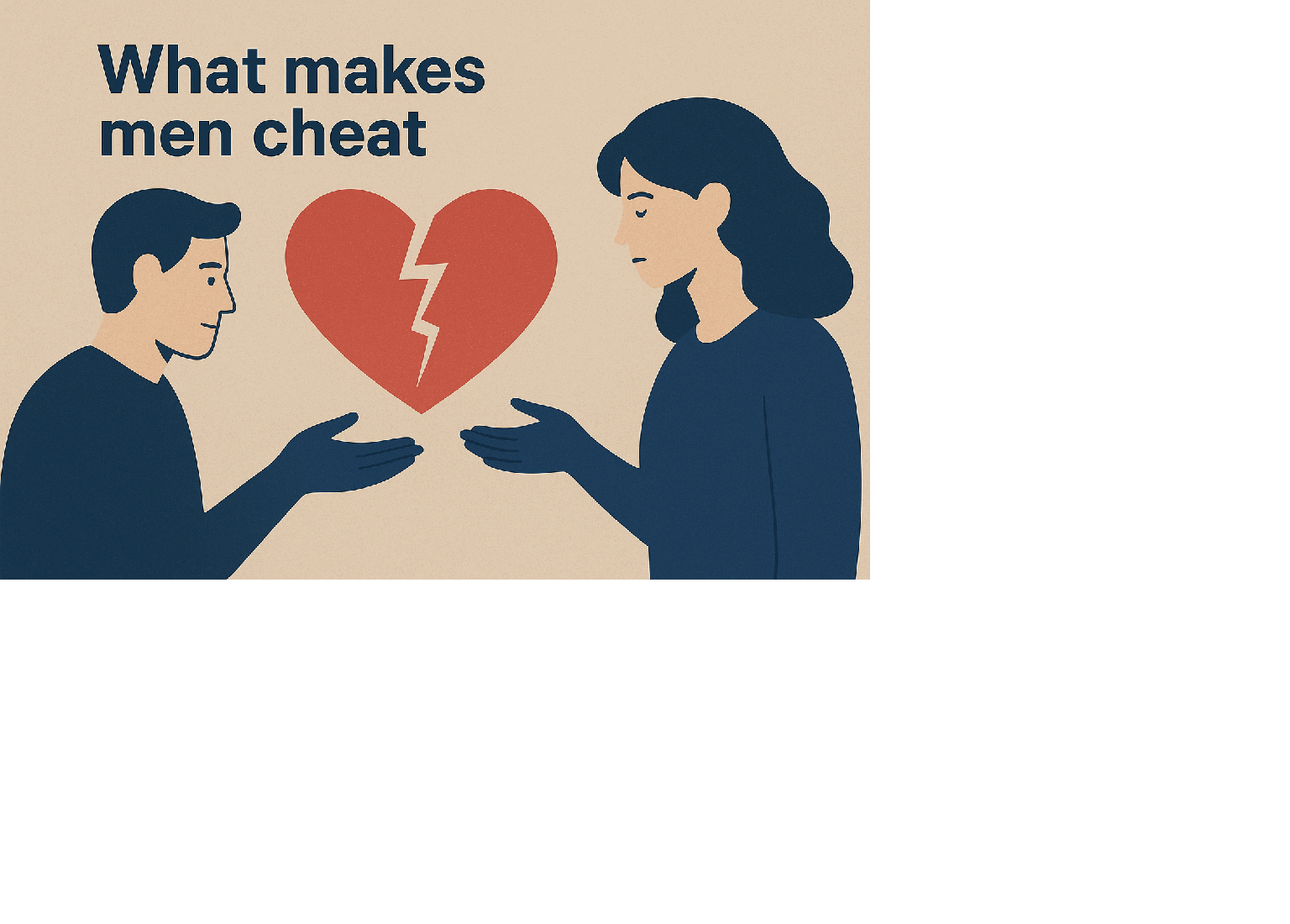
    Introduction: Understanding What Makes Men Cheat

    The question “what makes men cheat” is as old as love itself, and yet, in 2025, it remains one of the most discussed topics in relationships. Cheating isn’t always about physical attraction; it often stems from emotional disconnection, psychological needs, or life dissatisfaction.

    Understanding why men cheat isn’t about blaming or excusing behavior — it’s about uncovering the emotional and psychological triggers behind it. When we understand the “why,” we gain insight into how to prevent infidelity, heal relationships, and rebuild trust.

    The Complexity of Male Infidelity

    Cheating is rarely a single event; it’s usually the result of a series of unmet needs, unresolved conflicts, or impulsive choices. For many men, it’s not about wanting “someone better” but about escaping emotional emptiness or proving self-worth.

    Psychologists agree that cheating can also be linked to self-esteem issues, childhood trauma, or a lack of emotional coping mechanisms.

    Myths vs. Reality About Cheating

    MythReality
    “Men cheat because they’re unhappy in love.”Many cheat even when they love their partners deeply.
    “It’s all about physical desire.”Emotional needs often play a bigger role than physical ones.
    “Once a cheater, always a cheater.”Many men cheat once and deeply regret it, learning from the experience.

    The Top 10 Psychological and Emotional Triggers Behind Infidelity

    1. Emotional Disconnection and Neglect

    When emotional intimacy fades, men may seek validation elsewhere. Emotional neglect, not being heard, valued, or appreciated, can create vulnerability to temptation.

    2. Lack of Appreciation or Validation

    A man who constantly feels unseen or undervalued may look for recognition in another relationship. Often, this stems from ego wounds rather than lack of love.

    3. Fear of Aging or Loss of Attractiveness

    As men age, many fear losing their charm or virility. Attention from someone new can temporarily boost their self-image and confidence, masking deeper insecurities.

    4. Opportunity and Temptation in the Digital Age

    Online platforms, dating apps, and social media make secrecy and flirtation more accessible. In 2025, digital infidelity (emotional or virtual cheating) has become increasingly common.

    5. Unresolved Past Trauma or Insecurity

    Men with childhood trauma, neglect, or abandonment issues may unconsciously seek validation through infidelity, repeating patterns they never healed from.

    6. Addiction and Impulse Control Issues

    Cheating can stem from addictive tendencies, whether related to sex, attention, or thrill-seeking. For some, it’s less about romance and more about escapism.

    7. Peer Influence and Social Pressure

    Peer environments, particularly those that normalize infidelity, can play a powerful role. When male friends brag about affairs, it can normalize disloyalty and erode moral boundaries.

    8. Emotional Immaturity and Lack of Empathy

    Without emotional growth, some men struggle to grasp the impact of betrayal. They may compartmentalize feelings, failing to understand how their actions devastate partners.

    9. Relationship Dissatisfaction and Communication Breakdown

    Unspoken resentments, unaddressed conflicts, or mismatched expectations can create emotional distance. Cheating then becomes an escape route instead of a solution.

    10. Desire for Novelty and Excitement

    Humans crave novelty, and some men chase it through risky behavior. The thrill of secrecy or newness releases dopamine, offering temporary satisfaction that fades quickly.

    What Science Says: Research-Based Insights on Male Infidelity

    Hormones, Brain Chemistry, and Risk-Taking Behavior

    Studies show higher testosterone levels correlate with greater risk-taking — including infidelity. Brain imaging also reveals dopamine surges during secretive acts, similar to addiction responses.

    The Role of Attachment Styles

    Men with avoidant or anxious attachment styles are statistically more likely to cheat, especially when emotional intimacy feels threatening or unavailable.

    How to Prevent Cheating and Rebuild Trust

    Strengthening Emotional Intimacy

    Open, honest communication and consistent emotional presence are the best antidotes to infidelity. Couples should regularly check in about emotional needs and stress levels.

    Setting Boundaries and Rebuilding Communication

    Defining clear boundaries online and offline builds safety. Transparency, active listening, and mutual respect help repair damaged trust.

    When to Seek Professional Help

    Relationship counseling or individual therapy can help uncover deeper issues behind cheating. Healing is possible when both partners commit to honesty and growth.

    FAQs – What Makes Men Cheat

    1. Do all men cheat for the same reasons?
    No. Every case is unique. Some cheat for emotional reasons, others for validation or thrill. Understanding the root cause is key to healing.

    2. Can a relationship survive after cheating?
    Yes, but it requires accountability, forgiveness, and effort from both sides. Many couples rebuild stronger foundations after addressing the causes.

    3. Are men more likely to cheat than women in 2025?
    Recent data shows the gender gap is narrowing — women now report infidelity at nearly the same rate as men.

    4. Can love still exist after cheating?
    Absolutely. Love can survive betrayal if both partners commit to rebuilding trust and emotional safety.

    5. Is emotional cheating as serious as physical cheating?
    Yes. Emotional infidelity can often cause even deeper pain because it involves vulnerability and connection.

    6. Can stress or work pressure contribute to why men cheat?

    Yes. High stress and emotional exhaustion can make some men seek relief or validation outside their relationship. When they feel unsupported or misunderstood, infidelity may become an unhealthy coping mechanism.

    7. Do happily married men cheat too?

    Unfortunately, yes. Even men in seemingly happy marriages can cheat due to internal struggles like insecurity, low self-esteem, or a need for novelty — not necessarily because of dissatisfaction with their partner.

    8. How can you tell if a man is emotionally cheating?

    Emotional cheating often includes secretive texting, deep personal sharing, or emotional dependency on someone outside the relationship. If he hides conversations or seems emotionally distant, it may be a sign.

    9. Can therapy help men understand what makes them cheat?

    Absolutely. Therapy allows men to explore unresolved emotional wounds, patterns of behavior, and attachment issues that contribute to infidelity. It’s an essential step toward accountability and change.

    10. How can partners rebuild trust after discovering infidelity?

    Rebuilding trust takes time, honesty, and consistent effort. Open communication, transparency about emotions, and professional counseling can help both partners move toward healing and a stronger bond.

    Conclusion: Healing, Growth, and Emotional Awareness

    Understanding what makes men cheat isn’t about judgment; it’s about compassion, awareness, and emotional intelligence. Infidelity is a symptom, not the cause, of deeper relationship issues.

    By addressing the emotional voids, communication gaps, and self-awareness behind cheating, couples can move from betrayal to rebuilding. Healing begins with empathy — for both the betrayed and the betrayer.

    For readers who want to explore the psychology of infidelity and learn how to rebuild trust after betrayal, visit Psychology Today’s Infidelity Guide for expert perspectives and recovery advice.