Tag: relationship tips

  • The Most Dangerous Relationship Tips Myth Is That Love Should Be Enough

    The Most Dangerous Relationship Tips Myth Is That Love Should Be Enough

    Relationship tips often start from a comforting idea: if two people truly love each other, things should eventually work themselves out.

    This belief feels reassuring because it promises effortlessness. It suggests that difficulty is a signal, not a phase, that friction means misalignment rather than growth.

    And for couples already exhausted by repeated conflict, this idea can feel like an explanation that finally makes sense.

    But this assumption quietly reshapes how dissatisfaction is interpreted. Instead of asking what is happening between us, many couples begin asking why we are wrong for each other. Normal misunderstandings get upgraded into existential threats.

    Disagreements stop being moments to understand and start feeling like evidence for a deeper incompatibility. Over time, this belief doesn’t reduce pain; it organizes it.

    What makes this myth so persuasive is that it borrows language from romance and certainty. Movies, social media, and even well-meaning advice reinforce the idea that “the right person” eliminates struggle.

    When tension appears, the story writes itself: something must be fundamentally broken. Yet this story overlooks how human relationships actually function, especially under stress, fatigue, and emotional history.

    The truth most couples aren’t told is this: love does not prevent misunderstanding. It amplifies it. The more emotionally invested two people are, the more meaning gets attached to words, silence, tone, and behavior.

    Love doesn’t remove complexity; it increases it. And without the ability to navigate that complexity together, even strong emotional bonds can feel unbearably fragile.

    Why Recurring Conflict Feels Like Proof You’re Not Meant to Be Together

    Many people experiencing ongoing conflict don’t feel angry as much as they feel confused. The same arguments seem to resurface no matter how many times they’re discussed.

    Apologies are exchanged, promises are made, and yet the emotional residue lingers. Eventually, frustration turns inward. Doubt replaces curiosity. The relationship begins to feel like a puzzle that never quite resolves.

    This is where interpretation becomes more powerful than reality. When conflict repeats, the mind looks for stable explanations. Compatibility becomes an easy conclusion because it feels definitive.

    It offers closure where uncertainty exists. Rather than tolerating ambiguity Why do we keep missing each other? The brain opts for a cleaner story: We just don’t work.

    What’s rarely acknowledged is that recurring conflict usually isn’t about the surface topic at all. It’s about unexpressed needs colliding with unspoken expectations.

    Two people can care deeply and still operate with different internal languages for safety, respect, and connection. When those languages aren’t translated, even small moments can feel like rejection or control.

    Over time, this misinterpretation compounds. Each unresolved interaction subtly rewires emotional expectations. Partners begin anticipating misunderstanding before it happens.

    They brace themselves. They protect. They withdraw or escalate not because they don’t care, but because they care and don’t feel understood. Compatibility was never the issue. Meaning was.

    Relationship Tips Often Fail Because They Focus on Behavior, Not Meaning

    relationship tips focused on emotional meaning rather than behavior

    Most advice about relationships focuses on what to do rather than how meaning is created. Communicate better. Listen more. Compromise.

    These suggestions aren’t wrong, but they assume both people are interpreting reality the same way. In struggling relationships, that assumption rarely holds.

    When one partner expresses frustration, the other often hears accusation. When one asks for space, the other hears abandonment. These interpretations don’t arise from logic; they emerge from emotional history.

    Past experiences, attachment patterns, and previous disappointments all shape how words land. Without recognizing this, even well-intended conversations can feel like emotional ambushes.

    This is why effort alone doesn’t resolve conflict. Two people can try harder and still feel further apart. They’re not failing because they’re unwilling; they’re failing because they’re operating from different internal maps.

    Each believes they’re being clear, while the other feels unseen. Each believes they’re responding, while the other feels ignored.

    The shift happens when relationships are no longer judged by how smoothly they run, but by how effectively meaning is clarified.

    When misunderstandings are treated as information rather than threats, the emotional climate changes.

    Conflict stops being evidence of failure and starts becoming data about what hasn’t yet been translated between two inner worlds.

    The Real Issue Isn’t Love or Compatibility—It’s Unspoken Inner Narratives

    relationship tips revealing unspoken emotional narratives

    Every relationship contains two silent stories running beneath the surface. One says, This is what I need to feel safe here. The other says, This is how I know I matter. When these narratives remain unspoken, partners unknowingly violate each other’s emotional boundaries while believing they’re doing nothing wrong.

    This creates a particularly painful dynamic: both people feel justified, and both feel hurt. One feels unseen; the other feels unfairly criticized.

    Over time, resentment grows not because needs exist, but because they’re never translated into language the other person can recognize. Love remains present but inaccessible.

    What’s often mistaken for incompatibility is actually narrative collision. Two people protecting different vulnerabilities without realizing it.

    When those narratives are acknowledged, something subtle but powerful occurs. Reactions soften. Assumptions loosen. Space opens where defensiveness once lived.

    Strong relationships are not those without tension. They are relationships where tension is metabolized instead of stored. Where emotional signals are decoded rather than dismissed.

    Where understanding becomes a shared responsibility rather than a personal demand. This isn’t idealism, it’s psychological reality.

    A Healthier Belief: Relationships Are Built, Not Discovered

    The most stabilizing realization for dissatisfied couples is this: successful relationships aren’t found—they’re constructed. Not through constant effort or sacrifice, but through shared interpretation.

    Through the willingness to stay present long enough to understand what something means to the other person, even when it doesn’t match your own experience.

    When this belief settles in, a quiet shift occurs. Conflict loses its catastrophic weight. Disagreements stop signaling doom and start signaling difference.

    Love no longer carries the impossible burden of solving everything automatically. Instead, it becomes the motivation to engage rather than escape.

    This reframing doesn’t romanticize struggle, nor does it excuse harm. It simply restores agency. It reminds couples that misunderstanding is not a verdict, it’s a moment.

    A moment that can either be misread as incompatibility or understood as an invitation to know each other more deeply.

    And perhaps most importantly, it changes the question couples ask themselves. Instead of Are we meant to be together? the question becomes Can we understand each other better than we did yesterday? That question doesn’t demand perfection. It invites participation.

    Conclusion: These Aren’t Just Relationship Tips—They’re a New Lens

    If something feels different after reading this, it’s not because a problem was solved. It’s because the frame changed. When dissatisfaction is no longer interpreted as failure, pressure lifts.

    When conflict is seen as a communication gap rather than a compatibility verdict, curiosity returns.

    This doesn’t mean every relationship should be preserved. But it does mean many are misunderstood. And misunderstanding is not destiny. It’s simply the absence of shared meaning.

    When two people are willing to navigate that space together to speak what was once assumed, to listen beyond words, relationships stop feeling fragile.

    They become resilient. Not because love suddenly works harder, but because understanding finally has room to exist.

    And once you see relationships this way, it’s difficult to unsee it. Everything looks different. And strangely, lighter.

    Other Resource

    For readers who want to deepen their understanding of relationship dynamics through research-backed insights, The Gottman Institute offers evidence-based articles on communication, conflict patterns, and emotional understanding in long-term relationships, grounded in decades of clinical research.

    FAQs: The Most Dangerous Relationship Tips Myth Is That Love Should Be Enough

    1. Why isn’t love alone enough to sustain a relationship?
    Love is foundational, but it requires other elements like trust, communication, and respect to thrive. Think of love as the soil; without water and sunlight, even the best soil can’t grow strong roots.

    2. What are the signs that my relationship needs more than love?
    Look for communication breakdowns, constant arguments, or feelings of dissatisfaction. If love fades under the weight of unresolved issues, it’s time to reassess.

    3. How can I improve communication in my relationship?
    Practice active listening and express your feelings clearly. Open discussions build understanding, turning love into a solid partnership instead of just a feeling.

    4. What role does trust play in a loving relationship?
    Trust acts as the glue binding love and commitment. When trust wavers, doubts can creep in, eroding the love you’ve built. Cultivate it through honesty and reliability.

    5. Is it normal to have conflicts even in loving relationships?
    Absolutely! Conflicts are a natural part of any relationship. They can lead to growth if handled respectfully. View disagreements as opportunities to understand each other better.

    6. How can I ensure my relationship grows over time?
    Invest time in shared experiences and regular check-ins. Just like a garden, relationships need care and attention to flourish; when you nurture them, they blossom.

    7. What if love feels sufficient, but my partner feels otherwise?
    Recognize that each person’s needs differ. What feels fulfilling for you might not resonate with your partner. Open dialogue is vital; it reveals deeper desires and concerns.

    8. How can I change my perspective on love in relationships?
    Start seeing love not just as a feeling but as a commitment to work together through challenges. Embrace the idea that love is a journey requiring ongoing effort and dedication.


    Take Action

    Shift your mindset: love is just the beginning. Take action today by committing to improving communication and trust in your relationship. Remember, love can flourish, but only with intention and effort. Let’s grow together!

    Product Recommendation

    Product Name: His Secret Obsession

    His Secret Obsession is a psychology-based relationship program that focuses on emotional understanding, communication dynamics, and unmet relational needs rather than surface-level tactics.

    It’s designed to help partners understand why certain patterns repeat and how emotional safety and clarity influence long-term connection.

    This product fits well after your article because it continues the mental shift from “What’s wrong with us?” to “What are we not understanding yet?”
  • Age in Dating: 5 Powerful Truths About Love & Age

    Age in Dating: 5 Powerful Truths About Love & Age

    Introduction to Age in Dating

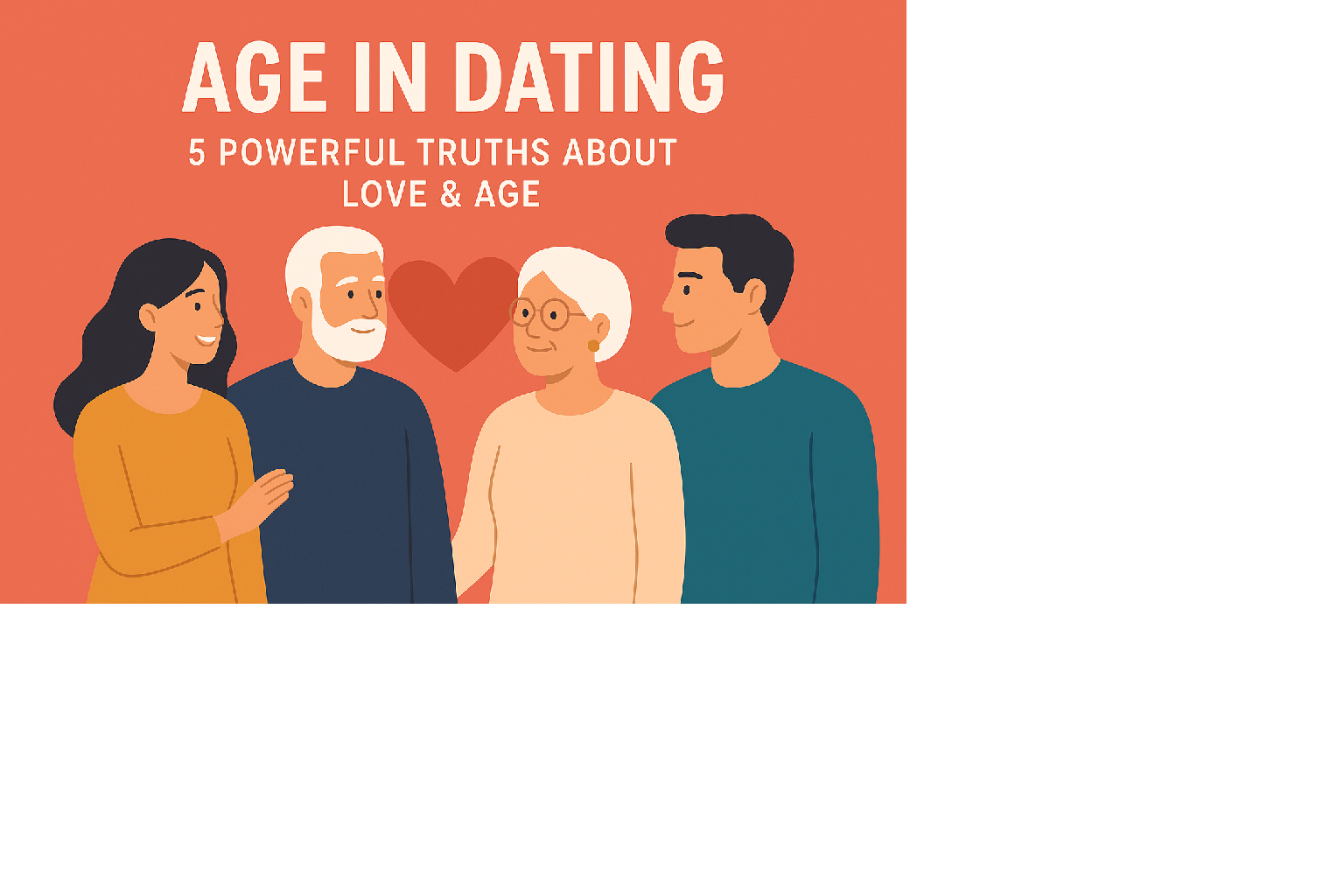
    The concept of Age in Dating has always intrigued people. Whether it’s a young couple discovering love or a relationship where one partner is decades older, age shapes emotional connection, life experiences, and expectations.

    In today’s digital dating era, boundaries around age are blurring, and people are increasingly open to connections that defy traditional norms.

    Why Age Has Always Been a Factor in Relationships

    Historically, age differences often reflected societal roles rather than personal choice. Older men married younger women due to social expectations of stability and fertility. Today, love is far more fluid, yet age still influences attraction, maturity, and compatibility.

    The Evolution of Age Perception in Modern Dating

    In the 21st century, the stigma around age gaps has significantly faded. Younger men date older women (“cougars”), and older women find younger partners through dating apps designed for mature singles. Emotional maturity and life compatibility now weigh heavier than the number of candles on a birthday cake.

    Understanding the Dynamics of Age in Dating

    How Age Affects Emotional Maturity and Compatibility

    Emotional intelligence plays a critical role in relationship stability. While younger partners may bring energy and curiosity, older partners often offer wisdom and patience. Age in Dating becomes a dance of balancing vitality with understanding.

    Power Balance and Life Stages in Age Gap Relationships

    When partners are in different life stages, for example, one focusing on career building while the other nears retirement, balance becomes essential. Communication and empathy can bridge the gap between ambition and reflection.

    Communication Styles Across Age Groups

    A key challenge in age-diverse relationships is communication style. Generational differences in humor, values, and lifestyle can cause friction, yet they can also enrich the relationship when approached with openness and respect.

    The Psychological Side of Age in Dating

    Why People Are Attracted to Older or Younger Partners

    Psychologists suggest that attraction often stems from unmet emotional needs.

    Younger individuals might seek security and guidance from older partners, while older individuals may feel rejuvenated by the enthusiasm and freshness of youth.

    Common Misconceptions About Age Differences

    Age-gap relationships are frequently misunderstood. Critics may assume manipulation, financial motives, or lack of compatibility. However, studies show that when relationships are built on shared values and trust, age difference matters far less than emotional connection.

    Age Gap Relationships: Benefits and Challenges

    Advantages of Dating Someone Older or Younger

    • Diverse perspectives: You learn new ways to see the world.
    • Balanced energy: Youthful passion meets emotional steadiness.
    • Personal growth: Partners inspire each other to evolve.

    The Hidden Struggles Age Gap Couples Face

    While fulfilling, these relationships face challenges such as social judgment, family disapproval, and differences in physical energy or life goals. The key is addressing these openly before resentment builds.

    How to Overcome Age-Related Relationship Barriers

    Mutual respect is the cornerstone. A shared vision for the future and transparent communication can neutralize most challenges. Couples who regularly align their goals tend to thrive regardless of age.


    Cultural and Social Influences on Age in Dating

    How Society Shapes Our Views of Age Gaps

    Cultural norms often dictate acceptable age differences. For instance, in Western cultures, large age gaps still raise eyebrows, while in parts of Asia and Africa, such relationships are normalized and even expected.

    Global Perspectives on Age Differences in Love

    In France and Italy, age-gap couples are common and often celebrated. In the U.S., acceptance is growing, with celebrities and everyday couples alike challenging old-fashioned ideas about love and age.

    The Role of Technology and Online Dating Apps

    How Dating Apps Normalize Age Differences

    Apps like Tinder, Bumble, and OkCupid have democratized dating. With customizable filters, people can easily connect across generations, breaking traditional barriers once defined by age or geography.

    Setting Age Preferences in Online Dating Profiles

    Age filters help people define their comfort zones — but some users deliberately widen them to explore diverse experiences. The result? A broader and more inclusive dating landscape.

    Real-Life Stories: Love That Defied Age Barriers

    Celebrity Couples with Successful Age Gaps

    From George and Amal Clooney to Priyanka Chopra and Nick Jonas, Hollywood is filled with age-diverse couples who’ve built stable, loving partnerships that defy social expectations.

    Everyday Couples Who Found Balance Beyond Age

    Beyond fame, thousands of real-life stories highlight couples who prove that Age in Dating doesn’t define happiness. Shared humor, mutual respect, and emotional connection transcend the numbers.

    Tips for Making Age Gap Relationships Work

    Establishing Equality and Mutual Respect

    Never let age define the power dynamic. Healthy relationships thrive when both partners contribute equally to emotional and practical decisions.

    Handling Judgment and External Opinions

    Friends, family, and strangers may offer unsolicited opinions. Stand united, set boundaries, and focus on your shared happiness rather than others’ expectations.

    Building Emotional Security Regardless of Age

    Confidence and self-awareness prevent insecurities from creeping in. Regularly expressing gratitude and reassurance fosters long-term stability.

    Frequently Asked Questions (FAQs)

    1. What’s the ideal age difference in a relationship?
    There’s no universal rule. Compatibility and shared values matter far more than numbers.

    2. Can large age gaps actually work long-term?
    Yes, if both partners communicate openly and respect each other’s life stages.

    3. Why are people drawn to older partners?
    Often because of emotional maturity, stability, and life experience.

    4. Is dating someone younger frowned upon?
    Society is becoming more accepting. Genuine connection outweighs age perceptions.

    5. How do you handle different energy levels in relationships?
    Find mutual activities that balance rest and excitement — from travel to quiet nights in.

    6. What’s the biggest misconception about age gap couples?
    That they lack real connection when, in fact, many such relationships are deeply bonded.

    Conclusion: Love Knows No Age — It Knows Connection

    At its heart, Age in Dating isn’t about numbers. It’s about connection, emotional understanding, and mutual respect. Whether partners are years apart or decades apart, love thrives on communication, shared values, and trust.

    As society continues to evolve, so does the definition of love. And perhaps the most timeless truth is this: age may influence love, but it will never define it.

    Explore more relationship insights and dating advice at Psychology Today and eHarmony Relationship Advice

    For readers interested in exploring more about relationship psychology and the dynamics of age in dating, consider visiting Psychology Today for expert insights into emotional compatibility and attraction.

    You can also check out eHarmony’s Dating Advice Blog for practical tips on building lasting relationships across different age groups.

    Additionally, MindBodyGreen offers articles on love, self-awareness, and emotional wellness that can help deepen your understanding of connection beyond age.

  • 10 Best Free Dating Apps 2025 for Real Love & Fun Connections (Ultimate Guide)

    10 Best Free Dating Apps 2025 for Real Love & Fun Connections (Ultimate Guide)

    Introduction: The Changing World of Online Dating in 2025

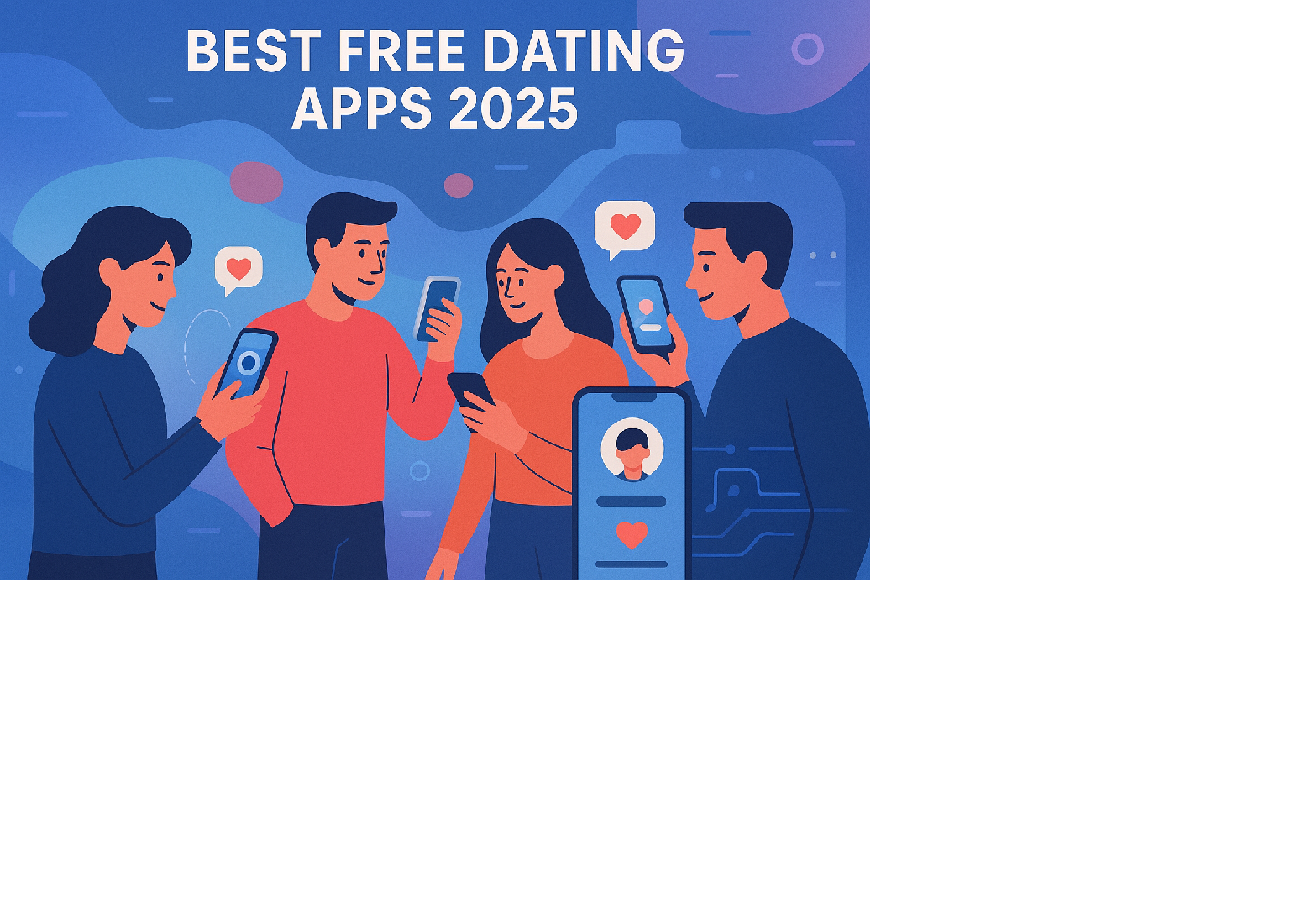
    The best free dating apps 2025 are smarter, safer, and more inclusive than ever. What once required a monthly subscription now offers premium-level features for free, giving singles worldwide an equal opportunity to connect and fall in love.

    In 2025, online dating isn’t just about swiping left or right; it’s about authentic communication, emotional compatibility, and shared goals. Whether you’re seeking casual fun or long-term love, there’s an app that fits your personality and purpose.

    Why Free Dating Apps Are More Popular Than Ever

    With over 400 million global users engaging on dating platforms, free apps dominate the market. Advancements in AI matchmaking, safety verification, and user experience make them just as effective as paid ones.

    Free apps now provide access to:

    • Detailed compatibility tests
    • In-app voice and video calls
    • AI-powered suggestions
    • Enhanced safety controls

    These features ensure that users get value without spending a cent, making dating more accessible to everyone.

    What Makes a Great Free Dating App in 2025

    A great free dating app in 2025 combines:

    • Ease of use
    • Robust privacy & safety features
    • Accurate matchmaking algorithms
    • Authentic user verification
    • Inclusive communities

    Now, let’s look at this year’s top 10 free dating apps reshaping modern romance.

    Top 10 Best Free Dating Apps 2025 (Expert Picks)

    1. Tinder – The Global Favorite for Quick Matches

    Still the world’s most popular dating app, Tinder offers smart matching powered by its new AI “Vibe Check” system that suggests compatible users based on shared interests and communication styles.

    Pros: Large user base, modern interface, global reach
    Cons: Heavy competition for attention

    2. Bumble – Empowering Women in Modern Dating

    In Bumble, women make the first move — giving them control over the conversation. Its recent Bumble AI Safety feature filters inappropriate messages instantly.

    Ideal for: Confident daters seeking respect and equality
    Highlight: Friend and networking modes (BFF & Bizz)

    3. Hinge – Designed to Be Deleted

    Hinge focuses on creating lasting relationships through thoughtful prompts and compatibility-based matching. In 2025, its “Date Readiness” feature helps users assess emotional availability before meeting.

    Best for: Relationship-oriented singles
    Standout: Detailed personality profiles

    4. OkCupid – For Personality-Based Matches

    Known for inclusivity and deep personality quizzes, OkCupid helps you find like-minded matches. With over 60 gender identities and 20 orientations, it’s one of the most progressive dating apps in 2025.

    5. Coffee Meets Bagel – Quality Over Quantity

    CMB sends you limited, handpicked matches daily to encourage meaningful conversations. It’s perfect for users tired of endless swiping.

    Pro Tip: Use the “Discover” section for extra matches.

    6. Plenty of Fish (POF) – Free Messaging for All

    Unlike most competitors, POF allows unlimited messaging for free. Its revamped Live! feature lets users stream and interact in real time.

    7. Facebook Dating – Built Into Your Social Network

    Integrated within the Facebook app, Facebook Dating uses your interests and mutual connections to match you. It’s discreet and keeps your dating profile separate from your main account.

    8. HER – Inclusive Dating for LGBTQ+ Women

    Designed by and for queer women, HER is a safe, inclusive space for dating and community building. The app also hosts virtual events and meetups, expanding beyond just dating.

    9. Happn – Connect with People You’ve Crossed Paths With

    Using real-time location tracking, Happn matches you with users you’ve encountered in daily life, perfect for serendipitous connections.

    10. BLK – For Black Singles Seeking Real Connections

    BLK is designed for Black singles looking to date within the community. With group chats and social features, it fosters authentic, culturally connected relationships.

    Emerging Dating App Trends in 2025

    AI Matchmaking & Compatibility Scoring

    Artificial intelligence is transforming love connections. Apps now use machine learning to predict chemistry based on conversation tone, humor, and lifestyle alignment.

    Safety Features and Video Verification

    Apps like Bumble and Tinder now require photo or video verification, ensuring genuine profiles and reducing catfishing incidents. Users can even schedule verified video dates before meeting in person.

    Tips for Finding Real Love on Free Dating Apps

    Crafting a Compelling Profile

    Your profile is your first impression. Include:

    • A clear smiling photo
    • A concise, positive bio
    • A few fun facts or hobbies to spark conversation

    Staying Safe While Dating Online

    Follow these safety practices:

    • Never share personal information too early
    • Always meet in public places
    • Report suspicious profiles immediately
    • Trust your intuition

    FAQs – Best Free Dating Apps 2025

    1. Are free dating apps really effective in 2025?
    Yes. Many free apps use advanced algorithms, giving you results similar to premium platforms.

    2. Which dating app is best for serious relationships?
    Hinge and OkCupid are the top-rated apps for long-term relationships in 2025.

    3. What’s the safest free dating app?
    Bumble and Facebook Dating stand out with strong safety and verification systems.

    4. Are these apps available worldwide?
    Most are available globally, but some features vary by region.

    5. Can I use multiple dating apps at once?
    Absolutely! Many users combine apps like Tinder + Bumble or Hinge + CMB for better chances.

    6. Which free dating app is best for introverts?

    Coffee Meets Bagel and Hinge are excellent for introverts who prefer deeper conversations over endless swiping. Their daily match limits encourage more meaningful interactions.

    7. Do free dating apps offer video chat features in 2025?

    Yes! Most top apps like Bumble, Tinder, and Facebook Dating now include built-in video chat and voice call options to help users connect safely before meeting in person.

    8. Can I find international matches using free dating apps?

    Absolutely. Apps such as Tinder and OkCupid allow users to match with people worldwide through location settings, perfect for those open to global dating experiences.

    9. What’s the best free dating app for serious relationships in 2025?

    If you’re looking for commitment, Hinge and OkCupid remain the best free dating apps in 2025. Both focus on compatibility, personality-based questions, and long-term relationship goals.

    10. Are there any completely ad-free free dating apps?

    While most free apps display ads to stay accessible, Coffee Meets Bagel and Hinge minimize ad interruptions. You can also upgrade to optional premium plans for a 100% ad-free experience.

    Conclusion: Finding Meaningful Connections in a Digital World

    The best free dating apps 2025 are redefining how people connect — combining technology, safety, and emotional intelligence to foster real love stories. Whether you’re looking for friendship, fun, or forever, these apps prove that you don’t have to pay to find something priceless.

    Start exploring, stay authentic, and remember love often begins with a simple swipe. ❤️

    For additional insight, check out this resource: TechRadar’s Best Dating Apps Guide.

    For more insights and reviews on trending dating apps, check out Tom’s Guide’s Best Dating Apps Review for expert comparisons. You can also visit PCMag’s Top Dating Apps of 2025 for detailed testing results and feature breakdowns. Lastly, explore WIRED’s Guide to Modern Dating Apps to understand how technology is reshaping online connections in 2025.