Introduction
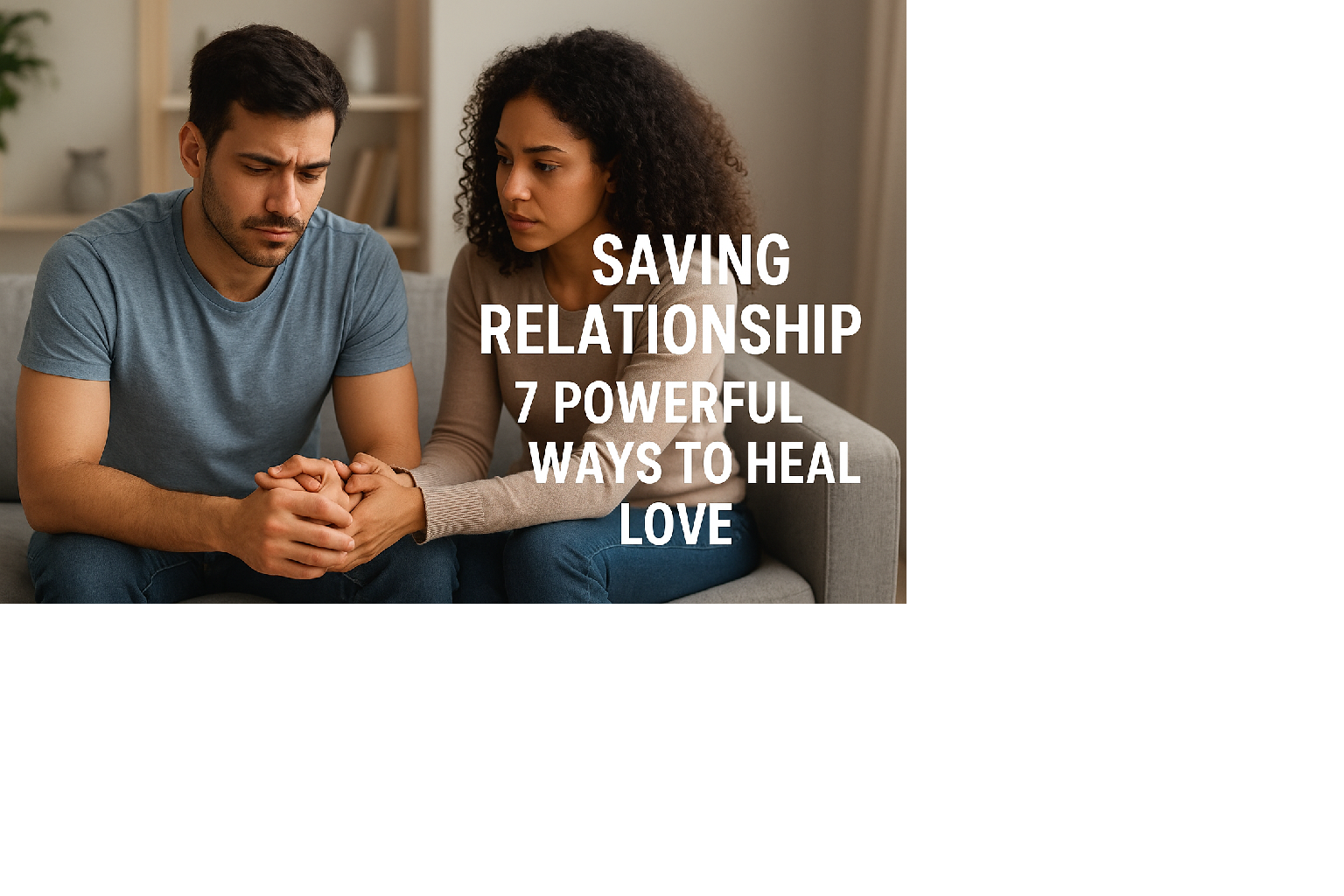
Every marriage experiences conflict it’s inevitable. But what truly matters is how you handle those disagreements.
Without the right tools, small issues can escalate into major problems, creating emotional distance and resentment. That’s why learning effective conflict resolution strategies for marriage is essential for building a strong, lasting relationship.
In this guide, you’ll discover proven techniques to resolve disagreements, improve communication, and strengthen your connection as a couple.
Featured Snippet: What Are Conflict Resolution Strategies for Marriage?
Conflict resolution strategies for marriage are techniques couples use to manage and resolve disagreements in a healthy way. These include:
- Practicing effective communication
- Listening actively without interrupting
- Managing emotions during conflicts
- Finding compromise solutions
- Using empathy and understanding
These strategies help couples resolve conflicts without damaging the relationship.
Why Conflict Resolution Matters in Marriage
Conflict isn’t the problem unresolved conflict is.
Healthy conflict resolution leads to:
- Stronger emotional connection
- Better understanding between partners
- Increased trust and respect
Poor conflict management can result in:
- Resentment and frustration
- Communication breakdown
- Emotional disconnection
Common Causes of Conflict in Marriage
Understanding the root of disagreements is the first step toward resolution.
Top Triggers of Marital Conflict
- Poor effective communication in marriage
- Financial stress
- Parenting disagreements
- Unmet emotional needs
- Lack of quality time
Hidden Causes of Conflict
- Miscommunication or assumptions
- Unresolved past issues
- Emotional triggers
- Differences in values or expectations
Core Conflict Resolution Strategies for Marriage

1. Practice Effective Communication in Marriage
Communication is the foundation of conflict resolution.
Key Tips:
- Speak calmly and clearly
- Use “I” statements
- Avoid blame or criticism
Example:
- “You never listen”
- “I feel unheard when I’m interrupted.”
2. Active Listening Without Interrupting
Listening is just as important as speaking.
How to Practice Active Listening:
- Maintain eye contact
- Avoid interrupting
- Reflect back what you hear
3. Manage Emotions During Conflict
Emotions can escalate disagreements quickly.
Emotional Control Techniques:
- Take a pause before responding
- Breathe deeply
- Step away if needed
4. Focus on the Issue, Not the Person
Avoid personal attacks.
Instead of criticizing your partner:
- Address the specific issue
- Stay solution-focused
5. Find a Compromise That Works for Both
Healthy conflict resolution requires balance.
Steps to Compromise:
- Understand both perspectives
- Identify common ground
- Agree on a fair solution
6. Use Empathy and Emotional Intelligence in Marriage

Empathy helps reduce tension and build connection.
Practice Empathy By:
- Validating your partner’s feelings
- Acknowledging their perspective
- Avoiding dismissive language
Step-by-Step Conflict Management in Relationships
Step 1: Identify the Real Issue
Ask:
- What are we really arguing about?
Step 2: Stay Calm and Respectful
Avoid:
- Yelling
- Interrupting
- Blame
Step 3: Communicate Openly
- Share your feelings clearly
- Listen actively
Step 4: Work Toward Resolution
- Focus on solutions
- Be willing to compromise
Step 5: Reflect and Improve
After resolving conflict:
- Discuss what worked
- Identify areas for improvement
Couples Therapy Techniques You Can Use at Home
1. The “Time-Out” Technique
Take a break when emotions rise, then return to the conversation calmly.
2. The Speaker-Listener Technique
- One partner speaks
- The other listens and repeats
- Switch roles
3. Weekly Conflict Check-In
Schedule time to discuss issues before they escalate.
Healthy Conflict Resolution Habits
Daily Habits
- Show appreciation
- Communicate openly
- Address issues early
Weekly Habits
- Relationship check-ins
- Discuss goals and concerns
- Reflect on communication patterns
Common Mistakes to Avoid in Marriage Conflict
Avoid these damaging behaviors:
- Bringing up past issues
- Using insults or sarcasm
- Avoiding difficult conversations
- Trying to “win” the argument
FAQ Section
1. What is the best way to resolve conflict in marriage?
The best way is through open communication, active listening, empathy, and a willingness to compromise.
2. Why do couples struggle with conflict resolution?
Common reasons include poor communication, emotional reactions, and unresolved past issues.
3. How can emotional intelligence improve conflict resolution?
Emotional intelligence helps partners manage emotions, understand each other, and respond calmly.
4. Should couples avoid conflict?
No conflict is normal. The goal is to manage it healthily.
5. When should couples seek counseling?
If conflicts are frequent, intense, or unresolved, professional help can be beneficial.
Conclusion
Mastering conflict resolution strategies for marriage is essential for a strong and lasting relationship.
By focusing on:
- Effective communication
- Emotional control
- Empathy
- Compromise
You can turn conflict into an opportunity for growth and deeper connection.
Your next step:
Choose one strategy from this guide and apply it in your next disagreement. Small changes can create powerful transformation.
External Authority Links
Research-backed strategies can help couples improve conflict resolution skills. For further reading, explore these trusted resources:
The Gottman Institute – Conflict in Relationships
American Psychological Association – Relationship Conflict
Psychology Today – Conflict Management