
Tag: Couples Therapy

  • Forgiveness in Marriage: The Key to Healing and Rebuilding Trust

    Forgiveness in Marriage: The Key to Healing and Rebuilding Trust

    Marriage is one of the most meaningful relationships in life—but it is also one of the most challenging. Conflicts, misunderstandings, and emotional wounds can gradually weaken the bond between partners.

    This is where forgiveness in marriage becomes essential.

    Without forgiveness, resentment builds, communication breaks down, and emotional distance grows. With forgiveness, though, couples can start healing relationships, rebuilding trust, and restoring emotional intimacy.

    In this article, we’ll explore the role of forgiveness in marriage. We will discuss why it matters for marriage reconciliation. Additionally, we will look into practical strategies couples can use to practice forgiveness and strengthen their relationship.

    What Is Forgiveness in Marriage?

    Forgiveness in marriage is the conscious decision to release resentment and anger. It involves letting go of the wish for retaliation after a partner has caused emotional pain.

    Forgiveness does not mean:

    • Ignoring harmful behavior
    • Pretending the conflict never happened
    • Accepting repeated mistreatment

    Instead, forgiveness means choosing emotional healing and relationship growth rather than staying trapped in resentment.

    Healthy forgiveness allows couples to:

    • Move past marriage conflict
    • Rebuild emotional connection
    • Strengthen long-term commitment

    The Role of Forgiveness in Saving a Marriage

    Couple communicating openly illustrating the importance of forgiveness in marriage for conflict resolution and emotional healing.

    Forgiveness plays a crucial role in preserving and restoring a struggling marriage.

    When partners refuse to forgive, emotional walls form. Over time, these walls create distance, distrust, and ongoing conflict.

    But when forgiveness is practiced, it opens the door to:

    • Emotional healing
    • Trust rebuilding
    • Improved communication in marriage
    • Marriage reconciliation

    Let’s look at the specific ways forgiveness impacts relationships.

    1.Forgiveness Breaks the Cycle of Resentment

    Unresolved anger can quietly damage a relationship.

    Couples who hold onto resentment often experience:

    • Frequent arguments
    • Passive-aggressive behavior
    • Emotional withdrawal
    • Lingering bitterness

    Forgiveness interrupts this destructive cycle.

    When partners release resentment, they create space for healthy conflict resolution and emotional repair.

    2.Forgiveness Supports Trust Rebuilding

    Trust is one of the most fragile elements of marriage.

    When a partner feels hurt or betrayed, rebuilding trust requires:

    • accountability
    • consistent behavior change
    • patience
    • forgiveness

    Without forgiveness, trust cannot fully return.

    Forgiveness allows couples to rebuild trust step by step, strengthening their emotional foundation.

    3. Forgiveness Promotes Emotional Healing

    Emotional wounds can linger for years if they are not addressed.

    Forgiveness helps individuals:

    • release emotional pain
    • reduce stress and anxiety
    • regain emotional balance
    • reconnect with their partner

    Research in relationship psychology shows that forgiveness often improves mental health, relationship satisfaction, and emotional well-being.

    4. Forgiveness Improves Communication in Marriage

    Couples who practice forgiveness are more to communicate openly.

    Instead of shutting down or blaming each other, they learn to:

    • express feelings honestly
    • listen without defensiveness
    • resolve disagreements constructively

    Strong communication in marriage is one of the biggest predictors of long-term relationship success.

    How Couples Can Practice Forgiveness

    Partners rebuilding trust through forgiveness in marriage while strengthening their emotional connection.

    Forgiveness rarely happens instantly. It is a process that requires patience, empathy, and commitment.

    Here are practical steps couples can follow.

    Step 1: Acknowledge the Hurt

    Forgiveness starts by recognizing the pain caused.

    The injured partner should feel safe expressing:

    • what happened
    • how it affected them emotionally
    • what they need to heal

    Ignoring the hurt often leads to unresolved conflict.

    Step 2: Take Responsibility

    For forgiveness to occur, the partner who caused the hurt must accept responsibility.

    This includes:

    • sincere apologies
    • acknowledging the impact of their actions
    • showing genuine remorse

    Avoid excuses or defensiveness, which can delay marriage reconciliation.

    Step 3: Practice Empathy

    Empathy helps partners understand each other’s perspective.

    Ask questions like:

    • “How did this situation affect you?”
    • “What can I do to repair the damage?”

    Empathy strengthens love and forgiveness, creating emotional safety in the relationship.

    Step 4: Commit to Change

    Forgiveness becomes easier when meaningful change occurs.

    This involve:

    • improving communication habits
    • setting healthier boundaries
    • addressing recurring patterns

    Consistency helps rebuild trust in marriage.

    Step 5: Consider Couples Therapy

    Sometimes conflicts are too complex to resolve alone.

    Couples therapy can help partners:

    • navigate deep emotional wounds
    • learn conflict resolution strategies
    • improve communication skills
    • rebuild trust more effectively

    A trained therapist provides guidance and neutral support during the healing process.

    Featured Snippet: Why Is Forgiveness Important in Marriage?

    Forgiveness in marriage is important because it allows couples to release resentment, rebuild trust, and heal emotional wounds after conflict. Without forgiveness, anger and bitterness can damage communication and intimacy. Practicing forgiveness helps partners resolve conflict, strengthen emotional connection, and support long-term marriage reconciliation.

    Signs Forgiveness Is Strengthening Your Marriage

    Happy couple experiencing emotional healing through forgiveness in marriage and restored relationship trust.

    When forgiveness begins to work, couples often notice positive changes in their relationship.

    Common signs include:

    • improved emotional connection
    • healthier communication
    • fewer recurring arguments
    • renewed affection and intimacy
    • increased trust and security

    Forgiveness doesn’t erase the past—but it helps couples build a stronger future together.

    Challenges Couples Face When Trying to Forgive

    Forgiveness can be difficult, especially when the emotional wound is deep.

    Common obstacles include:

    • fear of being hurt again
    • unresolved anger
    • lack of accountability
    • poor communication habits

    Overcoming these challenges requires patience and mutual commitment to healing relationships.

    FAQ About Forgiveness in Marriage

    1. Can forgiveness really save a marriage?

    Yes. Forgiveness allows couples to release resentment, rebuild trust, and repair emotional bonds, which are essential for long-term marriage stability.

    2. Does forgiveness mean forgetting what happened?

    No. Forgiveness means letting go of resentment while still learning from the experience and setting healthy boundaries.

    3. How long does it take to rebuild trust in marriage?

    Trust rebuilding can take months or even years depending on the situation. Consistent behavior, honesty, and communication are essential.

    4. What if my partner refuses to apologize?

    Without accountability, forgiveness becomes more difficult. In such cases, couples therapy or relationship counseling may help address underlying issues.

    5. Can couples therapy help with forgiveness?

    Yes. Couples therapy provides tools for conflict resolution, emotional healing, and trust rebuilding, helping partners navigate forgiveness more effectively.

    Conclusion

    Forgiveness is one of the most powerful tools for restoring a struggling relationship.

    By practicing forgiveness in marriage, couples can move beyond resentment, rebuild trust, and create deeper emotional intimacy. While forgiveness requires patience, empathy, and accountability, it often leads to stronger communication, healthier conflict resolution, and lasting marriage reconciliation.

    If your relationship is facing challenges, remember that forgiveness is not about ignoring the past. It’s about choosing healing and growth together.

    Start the conversation today, practice empathy, and take the first step toward rebuilding a stronger marriage.

    External Authority Sources

    For readers seeking deeper guidance on healing relationships, the next trusted resources offer expert insights. They offer practical advice to strengthen their marriage.

    The Gottman Institute provides research-based relationship tools, communication strategies, and marriage advice from leading relationship scientists.

    Additionally, the American Psychological Association’s forgiveness resources explain the psychological benefits of forgiveness. They show how it supports emotional healing. It also contributes to healthier relationships.
    Marriage Rescue Plan: 5 Steps to Save Your Relationship

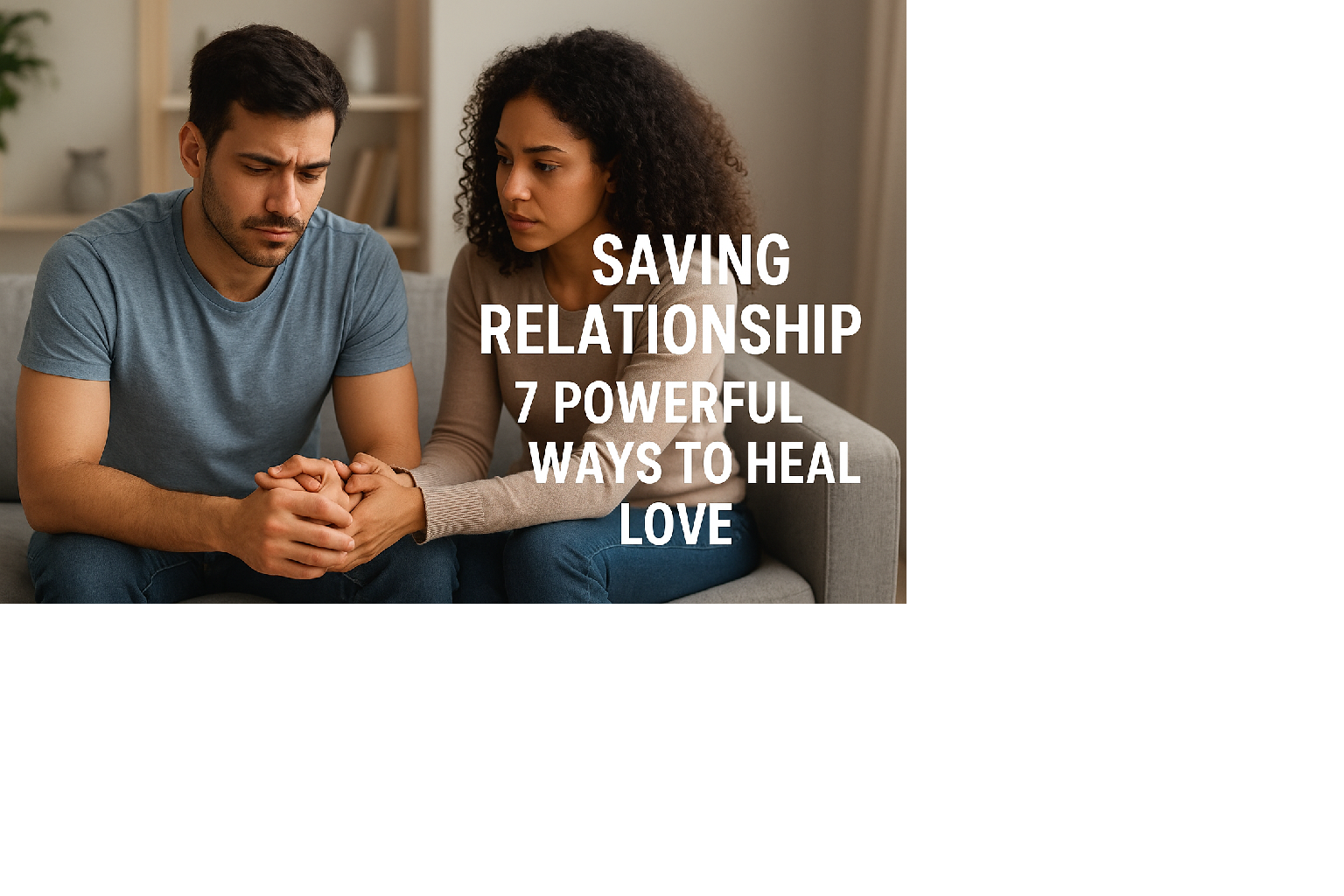
  • Saving a Relationship: 7 Powerful Ways to Heal Love

    Saving a Relationship: 7 Powerful Ways to Heal Love

    Introduction to Saving a Relationship

    In every relationship, there comes a time when love feels tested. Whether it’s constant arguments, growing distance, or emotional disconnection, saving a relationship can seem like an uphill battle. But the truth is, relationships aren’t destroyed overnight, and they don’t have to end that way either.

    With commitment, empathy, and intentional effort, couples can repair what’s broken and rediscover the connection that first brought them together.

    Why Relationships Face Challenges in Today’s World

    Modern relationships are under immense pressure. Between busy schedules, financial stress, social media distractions, and shifting expectations, it’s easy for emotional intimacy to fade. Many couples lose sight of why they fell in love in the first place.

    Understanding When a Relationship Is Worth Saving

    Not all relationships are meant to last, but many are worth fighting for. If both partners still care deeply, communicate honestly, and are willing to change, there’s a strong foundation to rebuild upon. As long as there’s mutual respect and love, healing is possible.

    The Psychology Behind Saving a Relationship

    Emotional Attachment and the Need for Connection

    Human beings are wired for connection. In romantic relationships, emotional attachment creates a bond of safety and comfort. When that bond is threatened by betrayal, neglect, or conflict, it triggers fear, anger, and sadness. Understanding this emotional wiring helps couples respond with compassion instead of defensiveness.

    How Unresolved Conflicts Damage Trust

    Trust is like glass, fragile and transparent. Repeated arguments, dishonesty, or emotional withdrawal create cracks that weaken it. However, through consistent honesty and accountability, trust can be rebuilt stronger than before.

    Rebuilding Emotional Safety and Vulnerability

    To heal, both partners must feel emotionally safe. That means being open about feelings without fear of judgment. Vulnerability is not weakness; it’s the bridge that reconnects two hearts drifting apart.

    7 Powerful Ways to Heal and Reconnect

    Saving a relationship isn’t about grand gestures, it’s about consistent, small actions that rebuild love and trust. Here are seven proven ways to bring healing and harmony back into your partnership.

    1. Communicate Honestly Without Blame

    Healthy communication is the lifeline of every lasting relationship. Unfortunately, when tension builds, many couples shift from open dialogue to defensive exchanges. Saving a relationship begins with transforming the way you talk and listen to one another.

    Start by creating a safe space where both partners feel heard. Instead of pointing fingers, focus on expressing how specific actions make you feel. Using “I” statements such as “I felt ignored when…” helps you take ownership of your emotions without accusing your partner.

    Listening is equally crucial. Active listening means paying full attention without planning your next response. Reflect back what your partner says to ensure understanding. For example: “What I hear you saying is that you feel unsupported when I work late.” This not only clarifies intent but also validates their feelings.

    When conversations become heated, take breaks. Pause, breathe, and return when both are calm. Emotional regulation prevents words that can deepen wounds.

    Above all, remember communication isn’t about winning an argument; it’s about rebuilding connection. When both partners speak with honesty and empathy, walls come down, and healing begins.

    2. Rebuild Trust Through Consistency and Transparency

    Trust, once broken, can feel nearly impossible to regain. Yet it’s one of the most critical steps in saving a relationship. The process begins not with grand promises, but with small, consistent actions that demonstrate reliability.

    Start by being transparent. Share your daily experiences, intentions, and emotions without hesitation. Transparency eliminates suspicion and fosters emotional safety. If trust was broken through dishonesty or betrayal, open communication and complete honesty are nonnegotiable.

    Accountability is also key. Follow through on commitments — even the small ones. When you say you’ll call, call. When you promise to show up, show up. Each fulfilled promise is a brick that rebuilds the foundation of trust.

    Avoid secrecy. Whether it’s phone passwords or private conversations, hiding things, even small details, reopens old wounds. Mutual openness signals to your partner that there’s nothing left to fear.

    Remember: rebuilding trust takes time, patience, and humility. But when both partners consistently choose honesty, trust doesn’t just return — it becomes stronger than before.

    3. Reignite Emotional and Physical Intimacy

    When couples drift apart, intimacy often becomes the first casualty. Saving a relationship means reigniting both emotional and physical closeness — the glue that keeps love alive.

    Start emotionally. Spend time reconnecting through meaningful conversations. Share your dreams, fears, and memories of how your relationship began. Ask questions like, “What do you need from me to feel loved again?”

    Small acts of affection also matter. Hold hands, hug longer, make eye contact; these gestures release oxytocin, the “bonding hormone,” and rebuild trust.

    On a physical level, intimacy shouldn’t feel pressured. Rekindling attraction often starts with an emotional connection. Try nonsexual touch first cuddling, massages, or dancing together, to reestablish physical comfort.

    If intimacy has been affected by resentment or insecurity, discuss it openly and compassionately. Some couples may even benefit from professional counseling to navigate deeper issues.

    The goal isn’t just passion, it’s emotional closeness. When intimacy returns, love feels alive again, and both partners begin to feel seen, desired, and valued.

    4. Seek Professional Help or Couples Therapy

    Sometimes love needs a translator, and that’s where professional guidance comes in. A licensed therapist provides neutral, structured support that helps couples identify patterns and rebuild trust.

    Therapy helps partners communicate more effectively, especially when past hurts cloud conversations. It allows couples to unpack unresolved trauma, discover root causes of conflict, and develop healthier coping mechanisms.

    Modern therapy isn’t about assigning blame; it’s about understanding. A good therapist helps each partner see the other’s perspective while creating actionable strategies to restore balance.

    You don’t have to wait until things reach a crisis point. Seeking counseling early can prevent further emotional damage and build resilience. Even a few sessions can reignite communication and create new patterns of understanding.

    If therapy isn’t accessible, consider online platforms or workshops that focus on emotional intelligence and conflict resolution. Saving a relationship is easier when guided by evidence-based methods and expert insight.

    5. Forgive, Let Go, and Focus on Growth

    Forgiveness isn’t about forgetting; it’s about freeing yourself from pain. Holding onto resentment poisons the relationship, creating emotional distance. Letting go doesn’t mean excusing hurtful behavior; it means choosing healing over bitterness.

    Start by acknowledging the hurt without judgment. Allow yourself to process emotions before forcing forgiveness. Once ready, discuss what forgiveness means to both of you. It should come with new boundaries and mutual respect.

    Self-forgiveness is just as vital. Guilt can erode confidence and intimacy. Remember that every mistake can become a lesson if approached with honesty and self-awareness.

    Couples who practice forgiveness often experience deeper emotional intimacy afterward. They learn that love isn’t about perfection, it’s about growth, empathy, and renewal.

    When forgiveness meets accountability, transformation begins. It’s the moment when two people stop living in the past and start creating a hopeful, compassionate future together.

    6. Create Shared Goals and Future Plans

    A relationship without direction can drift into uncertainty. Setting shared goals gives both partners a renewed sense of purpose and unity.

    Discuss your dreams, both individual and shared. These could range from financial goals, travel aspirations, or family planning to personal growth objectives. The key is alignment: ensure both partners feel equally invested and heard.

    Creating goals builds teamwork and reminds couples that they’re on the same side. It transforms “me versus you” into “us versus the challenge.”

    Break goals into small, achievable steps. Celebrate progress along the way, it keeps motivation high and reinforces connection.

    Shared plans also include emotional goals, like committing to regular date nights or weekly check-ins to strengthen communication. These routines create stability and show ongoing commitment.

    When couples envision a future together, they reignite excitement and purpose, two critical ingredients for saving a relationship and keeping it thriving long-term.

    7. Practice Gratitude and Appreciation Daily

    Gratitude is one of the simplest yet most powerful tools for transforming relationships. When partners actively notice and appreciate each other, negativity loses its grip.

    Make gratitude a daily ritual. Each morning or evening, share one thing you appreciate about your partner. It could be as simple as “Thank you for listening today,” or “I love how you make me laugh.”

    This small habit reprograms your focus from what’s lacking to what’s present. Over time, it reshapes emotional patterns, fostering optimism and connection.

    Gratitude also softens conflict. When couples feel seen and valued, they’re less defensive and more willing to compromise.

    Consider writing love notes or maintaining a shared gratitude journal. Reading past entries during tough times can remind both of how much good still exists between you.

    Ultimately, appreciation keeps love alive. It’s not the grand gestures but the small, consistent acts of recognition that rebuild joy and emotional warmth.

    Common Mistakes That Prevent Healing

    Ignoring Problems Instead of Addressing Them

    Avoidance may bring short-term peace but creates long-term disconnection. Unspoken frustrations grow into resentment — and eventually, emotional distance.

    Expecting Immediate Change Without Effort

    Healing takes patience. Expecting instant results sets unrealistic expectations. Celebrate small wins and focus on consistent progress.

    Allowing Ego to Overrule Compassion

    Sometimes, pride becomes the biggest obstacle. Admitting mistakes, apologizing sincerely, and showing vulnerability are essential for rebuilding emotional connection.

    Expert Insights on Relationship Repair

    What Therapists Say About Long-Term Healing

    Relationship experts emphasize that successful couples practice emotional regulation and conflict management. Instead of avoiding issues, they face them calmly and work collaboratively.

    Therapists also highlight the importance of creating new emotional experiences together, positive memories that replace painful ones.

    The Role of Emotional Intelligence in Reconnection

    Emotional intelligence (EQ), the ability to understand and manage your emotions, is a critical factor in saving a relationship. Couples with high EQ communicate better, show empathy, and handle conflicts with maturity and respect.

    Frequently Asked Questions (FAQs)

    1. Can every relationship be saved?
    Not always. If there’s abuse, manipulation, or a lack of mutual effort, it may be healthier to walk away. But if love and respect remain, healing is possible.

    2. How long does it take to rebuild trust?
    There’s no fixed timeline. For some couples, it takes months; for others, years. Consistency and honesty are the keys.

    3. What’s the biggest mistake couples make when trying to reconnect?
    Blaming each other instead of focusing on solutions. Successful couples take shared responsibility.

    4. Can therapy really help a struggling relationship?
    Absolutely. A licensed therapist provides perspective, teaches conflict-resolution techniques, and helps couples rebuild communication skills.

    5. How can we restore intimacy after a long period of distance?
    Start with emotional reconnection, meaningful conversations, affection, and quality time before rushing physical intimacy.

    6. What if one partner has given up?
    Change begins with one person. Even small positive shifts in behavior can inspire renewed hope and effort in the other.

    Conclusion: Saving a Relationship Is About Choosing Love Daily

    At its core, saving a relationship isn’t about fixing the past — it’s about creating a new future. It’s the daily choice to listen, forgive, and grow together.

    Love isn’t something that happens by chance; it’s something we nurture with intention. With patience, honesty, and empathy, every couple has the power to rebuild their bond and rediscover the joy that first brought them together.

    ❤️ “A strong relationship isn’t one without struggles, but one that continues to grow despite them.”

    For more expert relationship advice and emotional wellness guidance, visit Psychology Today for insights on love and communication, or explore The Gottman Institute for research-based tips on rebuilding trust and emotional connection.