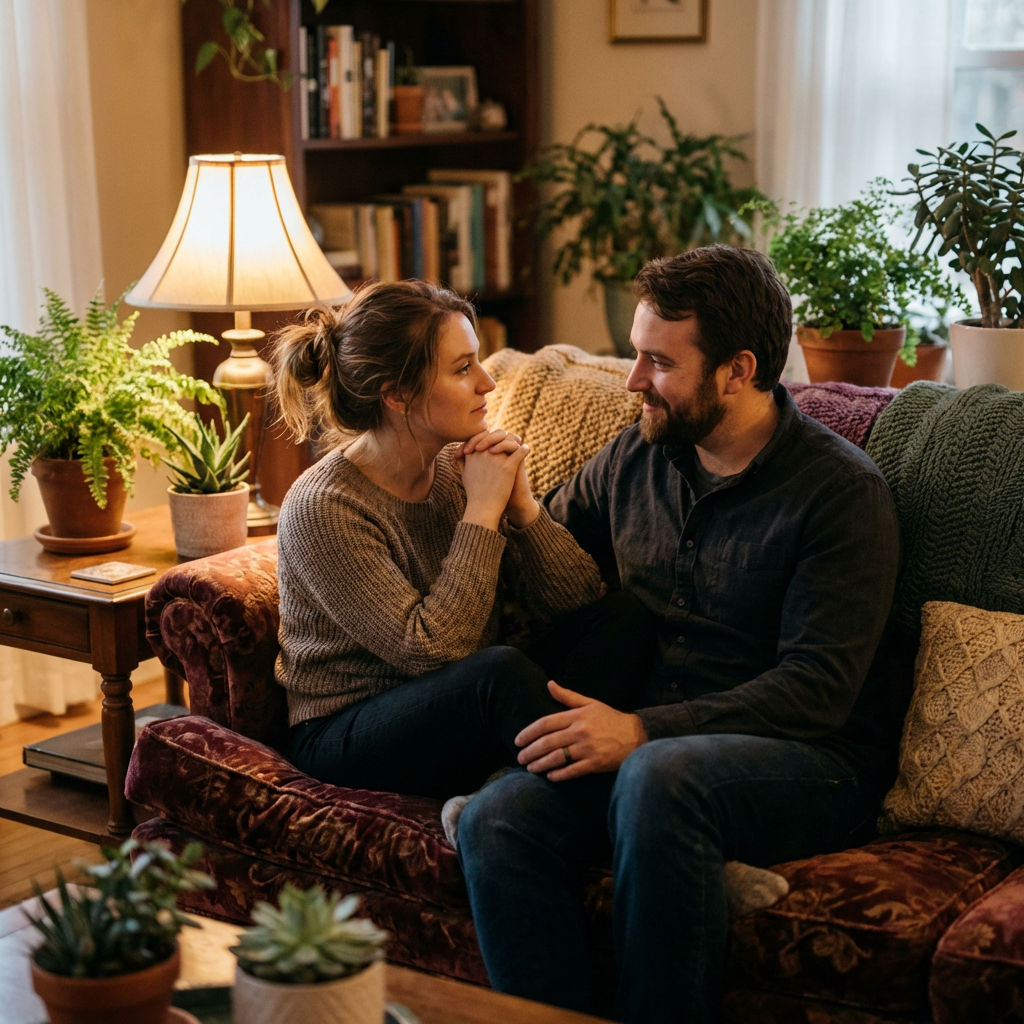
Tag: Conflict resolution

  • Effective Communication Skills for Couples

    Effective Communication Skills for Couples

    Introduction

    Strong relationships aren’t built on love alone—they thrive on communication.

    Many couples struggle with misunderstandings, unresolved conflicts, and emotional distance. The good news? These issues are often rooted in one fixable problem: poor communication.

    In this guide, you’ll learn effective communication skills for couples. These skills will help you express emotions clearly.

    They will assist you in resolving conflicts peacefully. Additionally, they will enable you to build a deeper connection with your partner.

    Featured Snippet: What Are Effective Communication Skills for Couples?

    Effective communication skills for couples include:

    • Active listening – Fully focusing and understanding your partner
    • Expressing emotions clearly – Sharing feelings without blame
    • Non-verbal communication – Using body language and tone effectively
    • Conflict resolution – Solving disagreements calmly
    • Empathy in relationships – Understanding your partner’s perspective

    These skills help couples build trust, improve understanding, and strengthen their relationship.

    Why Communication Is the Key to Relationship Building

    Communication is the foundation of every healthy relationship. Without it:

    • Misunderstandings increase
    • Emotional distance grows
    • Conflicts escalate

    Strong communication leads to:

    • Better relationship building
    • Increased trust and intimacy
    • Stronger emotional support

    Core Effective Communication Skills for Couples

    1. Active Listening

    Effective Communication Skills for Couples active listening example

    What Is Active Listening?

    Active listening means fully focusing on your partner without interrupting or preparing your response.

    How to Practice Active Listening

    • Maintain eye contact
    • Avoid distractions (phones, TV)
    • Reflect back what your partner says
    • Ask clarifying questions

    Example:

    Instead of reacting immediately, say:
    “What I hear you saying is… Did I get that right?”

    2. Expressing Emotions Clearly

    Many couples struggle because they don’t express emotions effectively.

    Use “I” Statements

    • “You never care about me”
    • “I feel hurt when I don’t feel heard”

    Benefits:

    • Reduces defensiveness
    • Encourages open conversations
    • Improves emotional clarity

    3. Non-verbal Communication

    Communication isn’t just words it’s also:

    • Body language
    • Facial expressions
    • Tone of voice

    Tips:

    • Maintain open posture
    • Use calm tone
    • Avoid eye-rolling or dismissive gestures

    Non-verbal signals often speak louder than words.

    4. Conflict Resolution Skills

    Effective Communication Skills for Couples conflict resolution discussion

    Disagreements are normal but how you handle them matters.

    Step-by-Step Conflict Resolution:

    1. Stay calm and avoid raising your voice
    2. Focus on the issue, not the person
    3. Listen to understand, not to win
    4. Work toward a compromise

    5. Empathy in Relationships

    Empathy is the ability to understand your partner’s feelings.

    How to Practice Empathy:

    • Put yourself in their position
    • Validate their emotions
    • Avoid dismissing their concerns

    Example:
    “I can see why that upset you. That makes sense.”

    Common Communication Barriers in Relationships

    Even with good intentions, couples face obstacles.

    Top Communication Barriers

    • Assumptions instead of asking
    • Interrupting during conversations
    • Emotional reactions (anger, defensiveness)
    • Lack of time for meaningful discussions
    • Over-reliance on digital communication

    How to Overcome Communication Barriers

    • Slow down conversations
    • Clarify instead of assuming
    • Take breaks during heated arguments
    • Prioritize face-to-face communication

    The Role of Digital Communication in Modern Relationships

    Texting and messaging have changed how couples communicate.

    Pros of Digital Communication

    • Quick and convenient
    • Helps stay connected during busy days

    Cons of Digital Communication

    • Misinterpretation of tone
    • Lack of emotional depth
    • Increased misunderstandings

    Best Practice:

    Use digital communication for logistics, but important conversations should happen in person.

    Daily Habits to Improve Communication

    Simple Daily Practices

    • Express appreciation daily
    • Check in emotionally
    • Listen without distractions
    • Share something personal

    Weekly Relationship Habits

    • Schedule a communication check-in
    • Discuss goals and concerns
    • Reflect on what’s working

    Advanced Tips for Stronger Open Conversations

    Create a Safe Space

    • Avoid judgment
    • Encourage honesty
    • Respect each other’s feelings

    Ask Better Questions

    Instead of:

    • “Are you okay?”

    Try:

    • “What’s been on your mind lately?”

    Time Your Conversations Wisely

    Avoid serious talks when:

    • One partner is tired
    • Emotions are high
    • You’re distracted

    FAQ Section

    1. What are effective communication skills for couples?

    They include active listening, expressing emotions clearly, empathy, non-verbal communication, and conflict resolution.

    2. How can couples improve communication quickly?

    Start by listening without interrupting, using “I” statements, and setting aside time for regular conversations.

    3. Why do couples struggle with communication?

    Common reasons include assumptions, emotional reactions, lack of time, and poor listening habits.

    4. How does empathy improve communication?

    Empathy helps partners feel understood, reducing conflict and increasing emotional connection.

    5. Is texting bad for relationship communication?

    Not necessarily, but important or emotional conversations should happen face-to-face to avoid misunderstandings.

    Conclusion

    Mastering effective communication skills for couples is one of the most powerful ways to strengthen your relationship.

    By focusing on:

    • Active listening
    • Clear emotional expression
    • Empathy
    • Conflict resolution

    You can transform misunderstandings into meaningful conversations and build a deeper, lasting connection.

    Your next step:
    Pick one communication habit from this guide and practice it today. Small improvements lead to powerful relationship breakthroughs.

    External Authority Links

    For deeper insights into communication and relationships, consider these trusted resources:

    The Gottman Institute – Relationship Research

    American Psychological Association – Relationships

    Psychology Today – Communication Basics

    Marriage Rescue Plan: 5 Steps to Save Your Relationship

  • What Are the 3 C’s in Marriage?

    What Are the 3 C’s in Marriage?

    Introduction

    Every marriage faces challenges but what separates strong, lasting relationships from struggling ones?

    The answer often comes down to three simple but powerful principles: the 3 C’s in Marriage Communication, Compromise, and Commitment.

    If you’ve ever felt misunderstood, stuck in conflict, or disconnected from your partner, you are not alone.

    This guide will show you how these foundational elements can transform your relationship. It can become a healthier and more fulfilling partnership.

    Featured Snippet: What Are the 3 C’s in Marriage?

    The 3 C’s in Marriage are:

    • Communication – Open and honest conversations between partners
    • Compromise – Finding balanced solutions that work for both
    • Commitment – Staying dedicated to the relationship through challenges

    Together, these principles create strong, healthy, and lasting marriages.

    Why the 3 C’s Are Essential for Healthy Relationships

    A successful marriage doesn’t happen by accident it’s built intentionally.

    The 3 C’s form the backbone of:

    Without these, even strong love can weaken over time.

    The First C – Communication in Marriage

    3 C's in Marriage communication healthy relationship conversation

    Why Communication Is the Foundation

    Communication is the lifeline of any relationship. Without it:

    • Misunderstandings grow
    • Emotional distance increases
    • Conflicts escalate quickly

    Strong communication leads to:

    • Deeper connection
    • Better problem-solving
    • Increased trust

    Practical Ways to Improve Communication

    1. Practice Active Listening

    • Focus fully on your partner
    • Avoid interrupting
    • Reflect back what you hear

    2. Use “I” Statements

    Instead of blaming:

    • “You never listen”
    • “I feel unheard when I’m interrupted”

    3. Schedule Check-Ins

    Set aside time weekly to discuss:

    • Feelings
    • Concerns
    • Goals

    Common Communication Mistakes to Avoid

    • Assuming instead of asking
    • Bringing up past arguments
    • Using harsh or defensive language

    The Second C – Compromise in Marriage

    3 C's in Marriage compromise decision making partnership

    What Compromise Really Means

    Compromise isn’t about “losing” it’s about finding a middle ground.

    In strong partnerships:

    • Both partners feel heard
    • Decisions are shared
    • Solutions are balanced

    How to Practice Healthy Compromise

    Step-by-Step Process:

    1. Identify the Issue Clearly
    2. Listen to Each Perspective
    3. Find Common Ground
    4. Agree on a Solution Together

    Examples of Compromise in Daily Life

    • Budgeting decisions
    • Parenting styles
    • Household responsibilities
    • Social plans

    When Compromise Becomes Unhealthy

    Avoid:

    • Always giving in
    • Ignoring your needs
    • Keeping score

    Healthy compromise = mutual respect + fairness

    The Third C – Commitment in Marriage

    What Commitment Truly Means

    Commitment goes beyond vows it’s a daily choice to:

    • Stay loyal
    • Work through challenges
    • Invest in the relationship

    Signs of Strong Commitment

    • Supporting each other emotionally
    • Staying during difficult times
    • Prioritizing the relationship

    How to Strengthen Commitment

    1. Create Shared Goals

    • Financial plans
    • Family vision
    • Lifestyle dreams

    2. Build Trust Consistently

    • Keep promises
    • Be reliable
    • Show integrity

    3. Prioritize Quality Time

    • Date nights
    • Meaningful conversations
    • Shared activities

    How the 3 C’s Work Together

    These principles don’t work in isolation—they reinforce each other:

    • Communication builds understanding
    • Compromise resolves differences
    • Commitment keeps the relationship strong

    Together, they create a cycle of:

    Trust
    Respect
    Emotional Connection

    Practical Tips for Marriage Strengthening

    Daily Habits That Improve Your Relationship

    • Express appreciation daily
    • Check in emotionally
    • Resolve issues quickly

    Weekly Relationship Rituals

    • Date night
    • Goal discussions
    • Reflection conversations

    Long-Term Relationship Strategies

    • Attend counseling if needed
    • Read relationship books together
    • Invest in personal growth

    FAQ Section

    1. What are the 3 C’s in Marriage?

    The 3 C’s are Communication, Compromise, and Commitment, which form the foundation of a strong and healthy marriage.

    2. Why is communication important in marriage?

    Communication helps partners understand each other, resolve conflicts, and build emotional intimacy.

    3. How can couples improve compromise?

    Couples can improve compromise by listening actively, respecting differences, and finding solutions that benefit both partners.

    4. What does commitment look like in a marriage?

    Commitment means staying dedicated, loyal, and willing to work through challenges together over time.

    5. Can a marriage survive without one of the 3 C’s?

    It’s difficult. Missing even one especially communication can lead to misunderstandings, resentment, and relationship breakdown.

    Conclusion

    The 3 C’s in Marriage Communication, Compromise, and Commitment are simple in concept but powerful in practice.

    When couples actively work on these three areas, they create:

    • Stronger emotional bonds
    • Better conflict resolution
    • Long-lasting partnership success

    Your next step:
    Start small pick one area to improve this week. Whether it’s better communication or practicing compromise, consistent effort leads to lasting change.

    External Authority Links

    Building strong marriages is supported by research and expert guidance. For deeper insights, you can reference:

    American Psychological Association – Marriage & Relationships

    The Gottman Institute – Relationship Research

    Psychology Today – Relationship Advice

    Marriage Rescue Plan: 5 Steps to Save Your Relationship

  • Forgiveness in Marriage: The Key to Healing and Rebuilding Trust

    Forgiveness in Marriage: The Key to Healing and Rebuilding Trust

    Marriage is one of the most meaningful relationships in life—but it is also one of the most challenging. Conflicts, misunderstandings, and emotional wounds can gradually weaken the bond between partners.

    This is where forgiveness in marriage becomes essential.

    Without forgiveness, resentment builds, communication breaks down, and emotional distance grows. With forgiveness, however, couples can begin healing relationships, rebuilding trust, and restoring emotional intimacy.

    In this article, we’ll explore the role of forgiveness in marriage, why it matters for marriage reconciliation, and practical strategies couples can use to practice forgiveness and strengthen their relationship.

    What Is Forgiveness in Marriage?

    Forgiveness in marriage is the conscious decision to release resentment, anger, or the desire for retaliation after a partner has caused emotional pain.

    Forgiveness does not mean:

    • Ignoring harmful behavior
    • Pretending the conflict never happened
    • Accepting repeated mistreatment

    Instead, forgiveness means choosing emotional healing and relationship growth rather than staying trapped in resentment.

    Healthy forgiveness allows couples to:

    • Move past marriage conflict
    • Rebuild emotional connection
    • Strengthen long-term commitment

    The Role of Forgiveness in Saving a Marriage

    Couple communicating openly illustrating the importance of forgiveness in marriage for conflict resolution and emotional healing.

    Forgiveness plays a crucial role in preserving and restoring a struggling marriage.

    When partners refuse to forgive, emotional walls form. Over time, these walls create distance, distrust, and ongoing conflict.

    But when forgiveness is practiced, it opens the door to:

    • Emotional healing
    • Trust rebuilding
    • Improved communication in marriage
    • Marriage reconciliation

    Let’s look at the specific ways forgiveness impacts relationships.

    1.Forgiveness Breaks the Cycle of Resentment

    Unresolved anger can quietly damage a relationship.

    Couples who hold onto resentment often experience:

    • Frequent arguments
    • Passive-aggressive behavior
    • Emotional withdrawal
    • Lingering bitterness

    Forgiveness interrupts this destructive cycle.

    When partners release resentment, they create space for healthy conflict resolution and emotional repair.

    2.Forgiveness Supports Trust Rebuilding

    Trust is one of the most fragile elements of marriage.

    When a partner feels hurt or betrayed, rebuilding trust requires:

    • accountability
    • consistent behavior change
    • patience
    • forgiveness

    Without forgiveness, trust cannot fully return.

    Forgiveness allows couples to rebuild trust step by step, strengthening their emotional foundation.

    3. Forgiveness Promotes Emotional Healing

    Emotional wounds can linger for years if they are not addressed.

    Forgiveness helps individuals:

    • release emotional pain
    • reduce stress and anxiety
    • regain emotional balance
    • reconnect with their partner

    Research in relationship psychology shows that forgiveness often improves mental health, relationship satisfaction, and emotional well-being.

    4. Forgiveness Improves Communication in Marriage

    Couples who practice forgiveness are more likely to communicate openly.

    Instead of shutting down or blaming each other, they learn to:

    • express feelings honestly
    • listen without defensiveness
    • resolve disagreements constructively

    Strong communication in marriage is one of the biggest predictors of long-term relationship success.

    How Couples Can Practice Forgiveness

    Partners rebuilding trust through forgiveness in marriage while strengthening their emotional connection.

    Forgiveness rarely happens instantly. It is a process that requires patience, empathy, and commitment.

    Here are practical steps couples can follow.

    Step 1: Acknowledge the Hurt

    Forgiveness starts by recognizing the pain caused.

    The injured partner should feel safe expressing:

    • what happened
    • how it affected them emotionally
    • what they need to heal

    Ignoring the hurt often leads to unresolved conflict.

    Step 2: Take Responsibility

    For forgiveness to occur, the partner who caused the hurt must accept responsibility.

    This includes:

    • sincere apologies
    • acknowledging the impact of their actions
    • showing genuine remorse

    Avoid excuses or defensiveness, which can delay marriage reconciliation.

    Step 3: Practice Empathy

    Empathy helps partners understand each other’s perspective.

    Ask questions like:

    • “How did this situation affect you?”
    • “What can I do to repair the damage?”

    Empathy strengthens love and forgiveness, creating emotional safety in the relationship.

    Step 4: Commit to Change

    Forgiveness becomes easier when meaningful change occurs.

    This may involve:

    • improving communication habits
    • setting healthier boundaries
    • addressing recurring patterns

    Consistency helps rebuild trust in marriage.

    Step 5: Consider Couples Therapy

    Sometimes conflicts are too complex to resolve alone.

    Couples therapy can help partners:

    • navigate deep emotional wounds
    • learn conflict resolution strategies
    • improve communication skills
    • rebuild trust more effectively

    A trained therapist provides guidance and neutral support during the healing process.

    Featured Snippet: Why Is Forgiveness Important in Marriage?

    Forgiveness in marriage is important because it allows couples to release resentment, rebuild trust, and heal emotional wounds after conflict. Without forgiveness, anger and bitterness can damage communication and intimacy. Practicing forgiveness helps partners resolve conflict, strengthen emotional connection, and support long-term marriage reconciliation.

    Signs Forgiveness Is Strengthening Your Marriage

    Happy couple experiencing emotional healing through forgiveness in marriage and restored relationship trust.

    When forgiveness begins to work, couples often notice positive changes in their relationship.

    Common signs include:

    • improved emotional connection
    • healthier communication
    • fewer recurring arguments
    • renewed affection and intimacy
    • increased trust and security

    Forgiveness doesn’t erase the past—but it helps couples build a stronger future together.

    Challenges Couples Face When Trying to Forgive

    Forgiveness can be difficult, especially when the emotional wound is deep.

    Common obstacles include:

    • fear of being hurt again
    • unresolved anger
    • lack of accountability
    • poor communication habits

    Overcoming these challenges requires patience and mutual commitment to healing relationships.

    FAQ About Forgiveness in Marriage

    1. Can forgiveness really save a marriage?

    Yes. Forgiveness allows couples to release resentment, rebuild trust, and repair emotional bonds, which are essential for long-term marriage stability.

    2. Does forgiveness mean forgetting what happened?

    No. Forgiveness means letting go of resentment while still learning from the experience and setting healthy boundaries.

    3. How long does it take to rebuild trust in marriage?

    Trust rebuilding can take months or even years depending on the situation. Consistent behavior, honesty, and communication are essential.

    4. What if my partner refuses to apologize?

    Without accountability, forgiveness becomes more difficult. In such cases, couples therapy or relationship counseling may help address underlying issues.

    5. Can couples therapy help with forgiveness?

    Yes. Couples therapy provides tools for conflict resolution, emotional healing, and trust rebuilding, helping partners navigate forgiveness more effectively.

    Conclusion

    Forgiveness is one of the most powerful tools for restoring a struggling relationship.

    By practicing forgiveness in marriage, couples can move beyond resentment, rebuild trust, and create deeper emotional intimacy. While forgiveness requires patience, empathy, and accountability, it often leads to stronger communication, healthier conflict resolution, and lasting marriage reconciliation.

    If your relationship is facing challenges, remember that forgiveness is not about ignoring the past; it’s about choosing healing and growth together.

    Start the conversation today, practice empathy, and take the first step toward rebuilding a stronger marriage.

    External Authority Sources

    For readers who want deeper guidance on healing relationships and strengthening their marriage, the following trusted resources offer expert insights and practical advice.

    The Gottman Institute provides research-based relationship tools, communication strategies, and marriage advice from leading relationship scientists.

    Additionally, the American Psychological Association’s forgiveness resources explain the psychological benefits of forgiveness and how it supports emotional healing and healthier relationships.

    Marriage Rescue Plan: 5 Steps to Save Your Relationship