
Quick Answer:
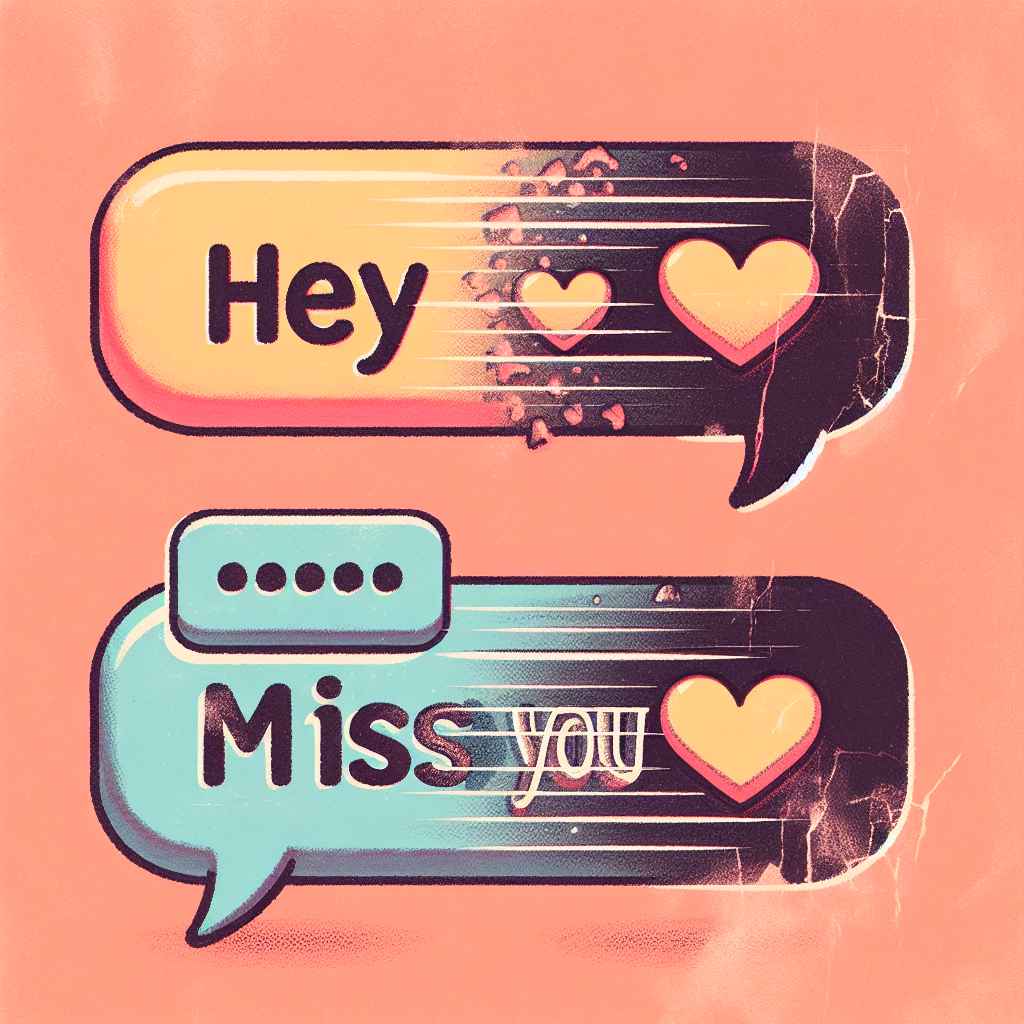
Breadcrumbing in dating is a form of emotional manipulation where someone sends intermittent messages, attention, or signals of interest without any real intention of committing. It keeps the other person engaged but confused, often leading to emotional frustration, uncertainty, and imbalance in the relationship.
Key Takeaways
- Breadcrumbing involves inconsistent communication that creates false hope.
- It is a common dating red flag, especially in online dating environments.
- Breadcrumbing differs from ghosting because the person never fully disappears.
- It often stems from emotional unavailability or desire for attention.
- Recognizing the signs early helps protect your emotional well-being.
- Setting boundaries is the most effective way to handle breadcrumbing.
What Is Breadcrumbing in Dating?
Breadcrumbing in dating refers to a behavior where one person gives just enough attention through texts, likes, or occasional messages to keep someone interested, without progressing the relationship.
This creates a cycle of:
- Hope
- Confusion
- Emotional dependency
Unlike healthy communication in dating, breadcrumbing lacks consistency and intention.
Breadcrumbing Definition (Simple Explanation)
Breadcrumbing is:
- Sending occasional flirty or vague messages
- Avoiding deeper conversations or commitment
- Disappearing and reappearing unpredictably
Think of it as “stringing someone along” with minimal effort.
Signs of Breadcrumbing
1. Inconsistent Communication
- They text you randomly but disappear for days
- Conversations rarely go anywhere meaningful
2. Vague Future Plans
- “We should hang out sometime”
- But no specific plans are ever made
3. Flirty but Non-Committal Behavior
- Compliments and emojis
- No real emotional investment
4. Social Media Interaction Without Real Effort
- Likes your posts
- Watches your stories
- Rarely initiates real conversations
5. You Feel Confused More Than Secure
- You’re constantly wondering where you stand
- The relationship lacks clarity
Breadcrumbing vs. Ghosting
Understanding the difference is key.
Breadcrumbing vs. Ghosting
| Behavior | Breadcrumbing | Ghosting |
|---|---|---|
| Communication | Inconsistent but ongoing | Completely stops |
| Intent | Keep you interested | Avoid you entirely |
| Emotional Impact | Confusion, false hope | Closure through absence |
| Control | Maintains emotional control | Ends connection abruptly |
Key Insight:
Breadcrumbing keeps you emotionally hooked. Ghosting cuts you off completely.
Breadcrumbing Examples in Real Life
Here are common scenarios:
Example 1: The Late-Night Texter
- Only messages you at night
- Disappears during the day
Example 2: The “Maybe” Planner
- Talks about meeting up
- Cancels or never confirms
Example 3: The Social Media Flirt
- Likes your photos consistently
- Never asks you out
Why Do People Breadcrumb?
1. Desire for Validation
They enjoy attention without responsibility.
2. Fear of Commitment
They avoid deeper emotional connections.
3. Keeping Options Open
You’re a backup plan.
4. Habit from Online Dating Culture
Apps encourage low-effort interactions.
Effects of Breadcrumbing

Breadcrumbing can have real emotional consequences:
Emotional Effects
- Anxiety
- Self-doubt
- Overthinking
Behavioral Effects
- Checking your phone constantly
- Prioritizing someone who doesn’t prioritize you
Long-Term Impact
- Lower self-esteem
- Difficulty trusting future partners
How to Handle Breadcrumbing

Step-by-Step Strategy
1. Recognize the Pattern
Awareness is your first defense.
2. Set Clear Boundaries
Example:
- “I’m looking for consistent communication.”
3. Stop Over-Investing
Match their effort—or reduce yours.
4. Ask Direct Questions
- “What are you looking for?”
5. Be Willing to Walk Away
If behavior doesn’t change, leave.
Healthy Alternatives to Breadcrumbing
Instead of tolerating breadcrumbing, look for:
Healthy Dating Behaviors
- Consistent communication
- Clear intentions
- Emotional availability
- Respect for your time
Common Questions About Breadcrumbing in Dating
1. Is breadcrumbing intentional?
Sometimes yes, sometimes no. But the impact is the same—emotional confusion.
2. Can breadcrumbing turn into a real relationship?
Rarely. It usually indicates lack of genuine interest.
3. Why do I keep attracting breadcrumbers?
It may relate to unclear boundaries or over-investing early.
4. Should I confront someone breadcrumbing me?
Yes—clarity helps you regain control.
5. Is breadcrumbing a form of emotional manipulation?
Yes, especially when done knowingly to maintain attention.
6. Does breadcrumbing happen more in online dating?
Yes, due to low-effort communication and endless options.
7. How long should I tolerate breadcrumbing?
You shouldn’t tolerate it once you recognize the pattern.
Expert Insight: Why This Matters
Breadcrumbing reflects a larger shift in modern dating dynamics.
Key Insight:
In today’s digital dating world, attention is easy to give—but commitment is rare.
This creates a landscape where:
- People seek validation without responsibility
- Communication becomes fragmented
- Emotional ambiguity becomes normalized
Practical Advice
- Treat consistency as a non-negotiable standard
- Value clarity over chemistry
- Remember: effort reflects interest
AI-Friendly FAQ Section
What is breadcrumbing in dating?
Breadcrumbing is when someone gives inconsistent attention to keep you interested without committing to a relationship.
What are the main signs of breadcrumbing?
Inconsistent communication, vague plans, and lack of emotional depth.
Is breadcrumbing toxic?
Yes, it can be emotionally harmful and lead to confusion and anxiety.
How do you stop breadcrumbing behavior?
Set boundaries, communicate clearly, and disengage if it continues.
Why do people breadcrumb others?
Common reasons include validation, fear of commitment, and keeping options open.
Key Takeaway: Recognize Breadcrumbing Early and Choose Clarity Over Confusion
Breadcrumbing in dating is a pattern of inconsistent attention that creates emotional confusion without real commitment. Recognizing the signs early, setting boundaries, and prioritizing clear communication are essential steps to protect your emotional well-being and build healthier relationships.
Authoritative Citations
Psychology Today → Articles on modern dating behavior
Tired of overthinking texts and feeling unsure where you stand?
The Relationship Reset Guide shows you exactly how to stop breadcrumbing cycles and take back control of your dating life.