Why Is My Husband Acting Distant? A Deeper Look into His Feelings

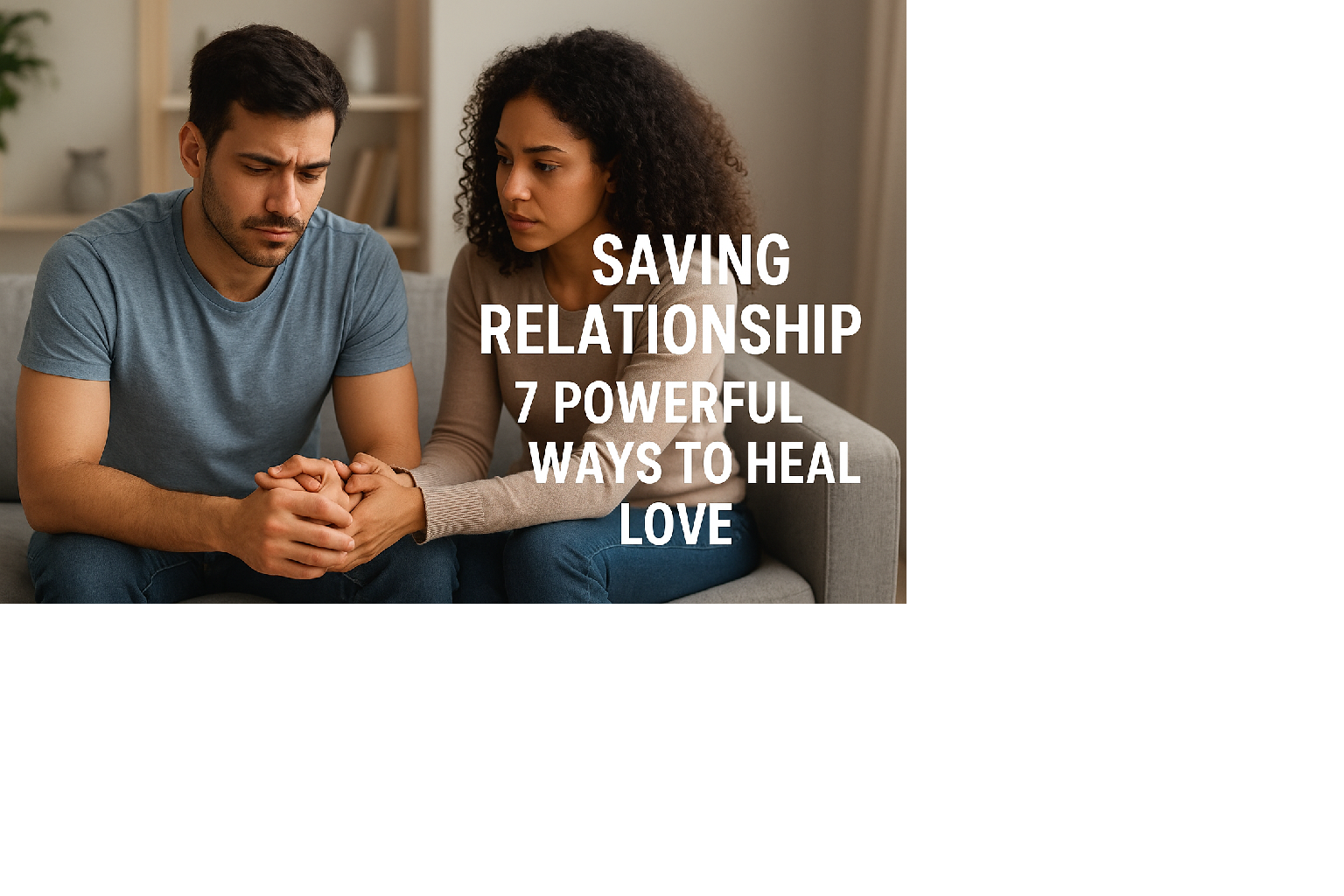
If you’ve been thinking,“Why is my husband distant lately?”you’re not alone. Many women experience moments in marriage where their partner seems emotionally unavailable, disconnected, or withdrawn. This emotional distance can stem from various factors, such as stress at work, personal insecurities, or even unresolved conflicts within the relationship. It's essential to recognize that these feelings are common and often temporary. By understanding the underlying causes of this behavior, you can open a dialogue with your husband that fosters intimacy and connection. Engaging in conversations about feelings or seeking couples counseling can provide clarity and help bridge the emotional gap between you.
Ahusband distantsituation can feel confusing, painful, and even alarming. But here’s the truth: emotional distance doesn’t always mean something is wrong beyond repair. In many cases, it’s a signal that, when understood, can actually strengthen your relationship. For instance, recognizing patterns of withdrawal might reveal deeper issues such as fear of vulnerability or past traumas affecting his ability to connect. Instead of viewing this distance as a negative sign, consider it an opportunity for growth; addressing these challenges together can enhance your bond and lead to a more profound understanding of each other’s needs.
This guide breaks down the biggest relationship mistakes, why they happen (especially for adults aged 25–35), and how to avoid them with practical, real-world strategies.
Interpreting Your Husband's Emotional Distance: What It Really Means
When a husband becomes distant, it usually reflectsemotional withdrawal, not necessarily a lack of love. It may indicate he is struggling with personal issues or feels overwhelmed by life’s pressures. Understanding this can help you approach the situation with empathy rather than frustration. You might encourage him to share his feelings by creating a safe space for open communication. Recognizing that emotional withdrawal often serves as a coping mechanism allows both partners to navigate these challenges together and reestablish the emotional connection necessary for a healthy relationship.
These mistakes usually fall into five categories:
- Communication breakdowns
- Unclear or unrealistic expectations
- Emotional avoidance or defensiveness
- Poor boundaries
- Neglecting personal growth
Avoiding them doesn’t require perfection. It requires self-awareness, emotional skills, and intentional action, all of which are learnable traits.
9 Possible Reasons Behind Your Husband's Emotional Withdrawal
Poor relationship communication is one of the biggest causes of distance, and it often manifests in subtle ways that can easily go unnoticed. When partners fail to share their thoughts and feelings openly, misunderstandings build up over time, creating emotional barriers between them. For instance, if you feel unheard or invalidated during conversations, it may lead to resentment or frustration, driving a wedge between you and your husband. By prioritizing clear and honest dialogue, you can foster a more supportive atmosphere where both of you feel valued and understood. Remember, effective communication not only involves talking but also active listening—making sure to acknowledge each other’s perspectives can significantly enhance intimacy and connection in your relationship.
- Always-on technology and distraction
- Dating apps that create endless comparison
- Economic stress and delayed life milestones
- Increased awareness of mental health and attachment styles
For young adults, relationships now carry more emotional weight with fewer clear role models. Many people are highly educated professionally but emotionally undertrained.
Understanding common relationship mistakes isn’t just helpful—it’s essential for building stable, fulfilling partnerships in a fast-changing world.
Effective Strategies to Address a Distant Husband
Step 1: Assuming Your Partner “Should Just Know”
A decline in emotional or physical intimacy often leads to distance in relationships, which can be distressing for both partners involved. It is essential to recognize that intimacy isn't just about physical closeness; it encompasses emotional vulnerability and trust as well. When couples begin to drift apart, they may notice a lack of shared moments or meaningful conversations that once brought them together. For example, regular date nights or simple acts of affection can diminish over time, leaving both individuals feeling isolated. Re-establishing these intimate connections requires intention—consider discussing ways to rekindle the spark through shared activities or open dialogues about your desires and needs within the relationship.
Anxiety, depression, or identity struggles can cause withdrawal in relationships, making it crucial to understand how these mental health issues affect connection with your partner. Often, when someone is grappling with their inner turmoil, they may unintentionally push loved ones away as a protective mechanism. For instance, if your husband is experiencing anxiety related to work or personal life, he might retreat emotionally instead of seeking support from you. It's important to create an environment where he feels safe expressing his feelings without judgment. Consider being proactive by checking in regularly on his emotional state and offering reassurance that you're there for him; this approach can help bridge the gap caused by these struggles.
Constant criticism can push someone away emotionally and create an unhealthy dynamic in your relationship. When feedback focuses primarily on negative aspects rather than constructive suggestions or praise, it can lead to feelings of inadequacy and resentment. For example, if you frequently criticize how your husband handles certain tasks or decisions without acknowledging his efforts, he may become defensive and withdraw further into himself. Instead of criticizing him outright, consider adopting a more nurturing approach that emphasizes positive reinforcement while gently addressing areas for improvement. This method not only fosters a supportive atmosphere but also encourages mutual respect and understanding.
You want more connection than he naturally expresses, which is a common challenge many couples face at different stages of their relationships. Sometimes partners have varying emotional needs; while one person craves deep conversations and affectionate gestures, the other may be less expressive due to personality traits or past experiences. To address this gap effectively, it's vital to communicate your desires openly without placing blame on your partner for their natural tendencies. Share specific examples of what makes you feel connected—whether it's spending quality time together or engaging in meaningful discussions about dreams and aspirations—and invite him to express his needs as well. This collaborative effort towards understanding each other's love languages can greatly strengthen your bond.
Step 2: Avoiding Difficult Conversations
Many young adults avoid conflict because they equate it with relationship failure. They stay silent to “keep the peace,” but unresolved issues don’t disappear; they compound.
Avoidance often looks like:
- Changing the subject
- Minimizing your feelings
- Telling yourself it’s “not worth it”
Over time, emotional avoidance erodes trust. Partners sense when something is wrong, even if it’s unspoken.
How to avoid it:
Reframe conflict as information, not danger. Healthy relationships don’t avoid hard conversations; they handle them with respect and timing.
Step 3: Letting Resentment Replace Responsibility
Another major mistake people make in relationships is silently keeping score. When one partner feels they’re giving more emotionally, financially, or logistically, resentment builds.
Resentment often replaces responsibility. Instead of addressing the imbalance directly, people withdraw, criticize, or emotionally shut down.
This pattern damages intimacy because resentment turns partners into adversaries instead of teammates.
How to avoid it:
Address imbalances early. Use “I feel” language, not blame. Shared effort should be discussed, not assumed.
Step 4: Confusing Chemistry With Compatibility
Strong attraction can mask serious incompatibilities, especially early on. Many relationships rely on chemistry while ignoring values, communication styles, and long-term goals.
If distance continues, seeking professional help through marriage counseling can provide the guidance and support needed to navigate this challenging time. A counselor can offer insights and strategies tailored to your specific situation, helping you both understand each other's feelings and perspectives better. They can facilitate conversations that might be difficult to have on your own, enabling a safe space for expressing emotions and addressing underlying issues. Remember, reaching out for help is not a sign of weakness but rather an act of strength that shows your commitment to nurturing your relationship.
Why is my husband distant lately?A husband can become distant due to various factors such as stress from work or personal life, poor communication habits, emotional burnout from juggling responsibilities, unresolved conflicts that linger beneath the surface, or even a gradual loss of intimacy that may go unnoticed over time. Understanding these causes is crucial; it allows you to approach the situation with empathy rather than frustration. The best way to reconnect involves fostering open communication where both partners feel heard and validated. Providing emotional support and gradually rebuilding intimacy through shared experiences can rekindle the connection you once had.
How to avoid it:
Look beyond attraction. Discuss values, boundaries, finances, lifestyle expectations, and emotional needs early, not years in.
Step 5: Losing Yourself in the Relationship
Ahusband distantphase can feel overwhelming for many women, leading to uncertainty about the future of the relationship. However, it’s important to recognize that this phase often serves as a pivotal turning point rather than a definitive ending. Such moments can prompt necessary reflections on both partners' needs and desires within the marriage. By approaching this situation thoughtfully and proactively, you have the opportunity to address any underlying issues together, which can ultimately lead to stronger bonds and deeper understanding between you both.
Understand the root causes behind his distance by engaging in conversations that explore his feelings without judgment. Improverelationship communication by practicing active listening—make sure he knows you value his perspective and emotions. Take intentional steps towardreconnecting with your partner, whether that's planning date nights or simply dedicating time each week to check in with one another emotionally. By doing so, you create an environment conducive to rebuilding emotional closeness, fostering trust and intimacy that may have been lost over time.
Next Step:Start small today by having one honest conversation about how you're feeling and encourage him to share his thoughts too. Show appreciation for the little things he does or plan quality time together—whether it's cooking dinner as a team or going for a walk in nature. These small actions lead to big breakthroughs over time, allowing both of you to feel more connected and valued in your relationship.
Sudden emotional distance is often caused by stress, unresolved conflict, or internal struggles rather than a loss of love. It's essential to understand that these feelings can stem from various sources, such as work-related pressures, personal insecurities, or even external factors like family issues. For instance, if your husband is dealing with a significant life change—like a new job or health concern—it may manifest as withdrawal. Recognizing these triggers can be the first step in bridging that emotional gap. By approaching the situation with empathy and curiosity, you create an opportunity for open dialogue about his feelings and experiences, which can foster deeper understanding and connection between you both.
Quick Summary: Understanding the Signs of Emotional Distance

Yes, but balance it with emotional availability. Giving him space can indeed help him process his thoughts and emotions effectively; however, it's crucial to ensure that this space does not turn into emotional isolation. During this time, check in periodically to show that you're still there for him while respecting his need for solitude. This delicate balance allows him to feel supported without feeling pressured, paving the way for meaningful conversations later on. Remember, maintaining emotional ties—even through small gestures or texts—can remind him that your bond remains strong and is worth nurturing.
Absolutely. With improved communication and effort, emotional connection can be rebuilt over time. Start by creating a safe space for honest conversations where both of you can express your feelings freely without judgment. Share your experiences and encourage him to do the same; this mutual exchange fosters intimacy. Incorporating activities you both enjoy can also reignite those shared moments of joy and reinforce your bond. For example, consider planning regular date nights or weekend getaways that allow you to reconnect in a relaxed setting—this strategy can be particularly effective in understanding nsa relationships as they often rely heavily on open communication and mutual respect.
Use calm, non-accusatory language and focus on your feelings rather than blaming him. Approach discussions about his distance with compassion and openness instead of placing blame. For instance, say something like 'I feel worried when I sense there's distance between us' rather than 'You are being distant.' This method encourages constructive dialogue and makes it easier for him to engage without feeling defensive. Additionally, practicing active listening during these conversations helps validate his feelings and shows that you genuinely care about understanding his perspective.
If distance is prolonged, worsening, or paired with secrecy or hostility, it requires deeper attention or professional help. Signs such as avoiding conversation about relationship issues or showing increased irritability might indicate underlying problems that need addressing. In such cases, suggesting couples therapy could provide a neutral ground where both partners can voice their concerns constructively under professional guidance. Professional help not only aids in navigating complex emotions but also teaches effective communication strategies that are vital in any healthy relationship.
Steps to Reconnect with Your Partner When He Seems Distant
Emotional distance can last weeks or even months depending on the underlying cause, which may vary significantly from one couple to another. It’s essential to understand that this distance is not always a reflection of love lost. With open communication and intentional effort, many couples find ways to reconnect within a short time. By actively engaging in discussions about feelings and experiences, you create a safe space for both partners to express their needs and concerns. For example, scheduling regular check-ins can be an effective way to maintain emotional intimacy and address any issues before they escalate. Remember, understanding nsa relationships—where emotional bonds may differ—is crucial in navigating these challenges together.
Not necessarily. A distant husband is often grappling with stress or emotional burnout that stems from various sources, such as work pressure or personal challenges. He may also face communication barriers rather than a loss of interest in the relationship itself. It’s important to approach this situation with empathy and curiosity rather than jumping to conclusions. Engaging him in a conversation about his feelings can reveal underlying issues that he might not have the words to articulate right away. This supportive approach fosters a deeper connection between you both, allowing for a more nuanced understanding of each other's experiences in the relationship.
5. Understanding NSA Relationships: The Impact on Intimacy
For deeper insight into relationship dynamics, research-backed resources can provide invaluable guidance. The American Psychological Association states that communication patterns play a major role in determining relationship health. Understanding how your unique communication styles affect your interactions is vital for fostering intimacy and trust within your partnership. Additionally, exploring insights on nsa relationships can broaden your perspective on emotional connections and help you navigate complex feelings effectively.
6. Personal Issues in NSA Relationships and Mental Health
1. What are the most common mistakes made in relationships?
Additionally, The Gottman Institute provides evidence-based strategies for improving intimacy that you can implement in your daily life. Their research emphasizes the importance of nurturing friendship and affection as cornerstones of lasting relationships. By integrating simple practices like expressing appreciation or engaging in shared activities, you create opportunities for deeper connection. This is especially relevant when considering different types of relationships; understanding nsa relationships helps highlight how emotional engagement varies across different contexts.
2. How can I improve communication with my partner?
You can also explore emotional connection research from Psychology Today, which offers valuable insights into building stronger emotional ties with your partner. Their articles delve into various topics related to attachment styles and emotional availability, providing actionable tips on how to enhance your bond even during challenging times. This exploration becomes particularly insightful when considering nsa relationships, as it sheds light on the diverse ways individuals connect emotionally.
3. Why do people neglect emotional needs in relationships?
Often, individuals focus on practical aspects instead of emotional connection. To foster intimacy, prioritize discussions about feelings and ensure both partners feel valued and understood.
4. How do I avoid taking my partner for granted?
Show appreciation daily. Small gestures, like compliments or spending quality time, can make a big difference. Remember, gratitude builds a stronger connection with your partner.
5. Is jealousy always a bad sign in relationships?
While a bit of jealousy can be normal, excessive jealousy indicates insecurity. Address the root causes openly with your partner to build trust and security together.
6. How can I balance my personal life with my relationship?
Set boundaries and prioritize both your personal space and time together. Encourage each other’s individual growth while making room for shared experiences.
7. What role does conflict play in a relationship?
Conflict is inevitable but can be constructive. It’s an opportunity to understand each other better and grow stronger if handled with respect and open communication.
8. When should I seek professional help for my relationship?
If issues persist despite your efforts, seeking a therapist can provide valuable insights. Professional guidance can open doors to effective communication and resolution strategies. Don’t hesitate to ask for help; it’s a sign of strength!
7. Feeling Misunderstood in NSA Relationships?
Product: 1000 Questions For Couples by Michael Webb relationship expert