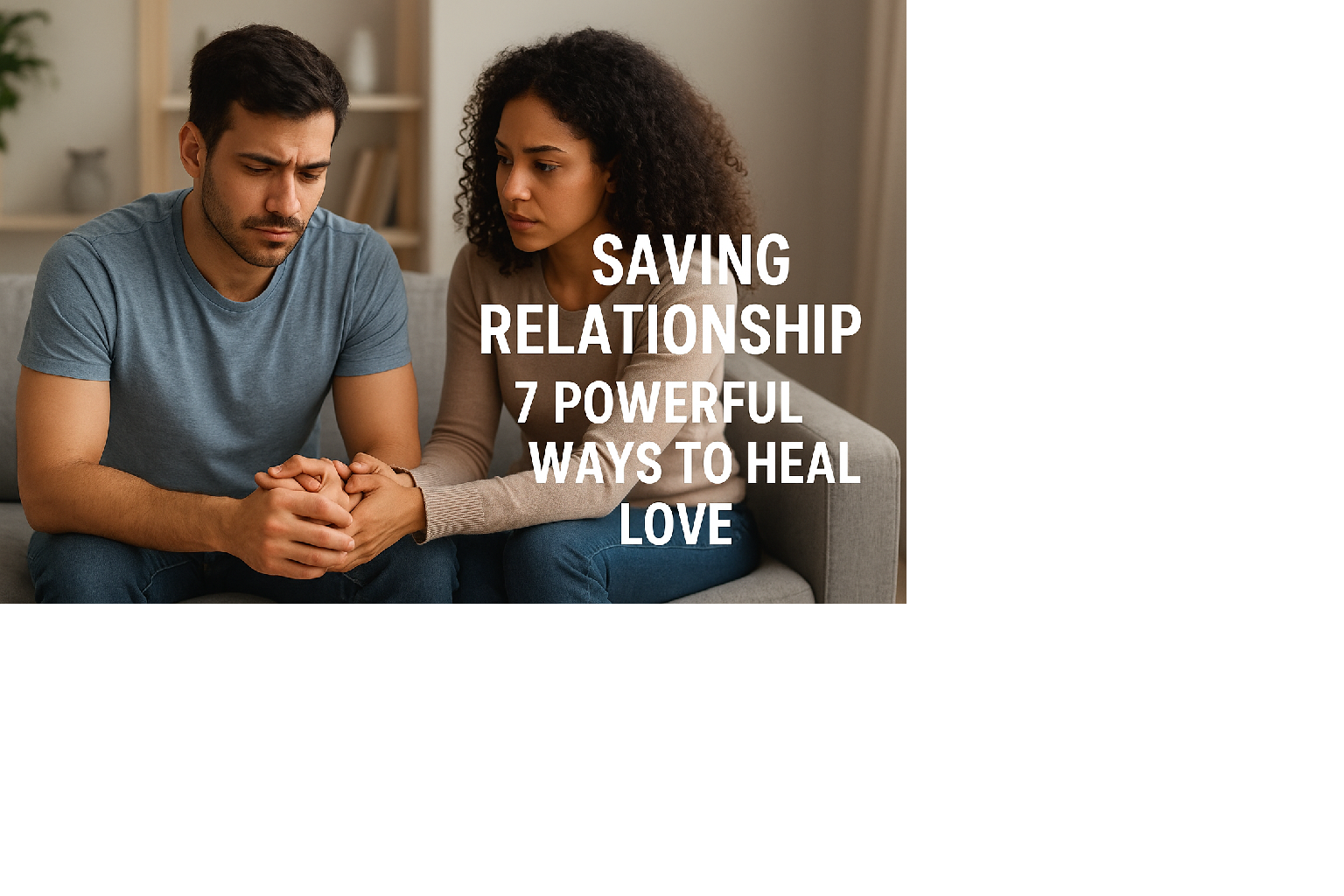
Category: Relationships & Marriage Advice

  • What Are the Best Conflict Resolution Strategies for Marriage?

    What Are the Best Conflict Resolution Strategies for Marriage?

    Introduction best conflict resolution strategies for marriage

    Every marriage faces disagreements, but how couples handle those conflicts determines whether their relationship grows stronger or weaker.

    If you’re searching for the best conflict resolution strategies for marriage, you’re looking for practical ways to stop arguments. You want to improve communication and rebuild connection.

    The truth is that conflict isn’t the enemy; poor conflict management is. In this guide, you’ll discover proven strategies, communication techniques, and relationship-building habits. These methods help married couples resolve disputes in a healthy way. They also do so in a productive way.

    Featured Snippet: Best Conflict Resolution Strategies for Marriage

    The best conflict resolution strategies for marriage include:

    • Practicing effective listening in marriage
    • Communicating calmly and clearly
    • Managing emotions during disagreements
    • Focusing on solutions instead of blame
    • Using empathy and emotional intelligence

    These techniques help couples resolve conflicts while strengthening trust and connection.

    Why Conflict Resolution Matters in Marriage

    Best Conflict Resolution Strategies for Marriage resolving marital disputes calmly

    Conflict is a natural part of relationships, but unresolved conflict can damage trust and intimacy.

    Benefits of Healthy Conflict Resolution

    • Improves marriage communication skills
    • Strengthens emotional connection
    • Builds trust and respect
    • Encourages personal and relationship growth

    What Happens Without Conflict Management

    • Frequent arguments
    • Emotional distance
    • Resentment buildup
    • Communication breakdown

    Core Principles Behind Effective Conflict Resolution

    1. Effective Listening in Marriage

    Listening is the foundation of resolving disagreements.

    How to Practice Effective Listening:

    • Focus fully on your partner
    • Avoid interrupting
    • Reflect back what you hear

    Example:
    “What I hear you saying is…”

    2. Emotional Intelligence in Relationships

    Managing emotions is key to preventing escalation.

    Key Skills:

    • Recognizing your emotional triggers
    • Staying calm under pressure
    • Responding thoughtfully instead of reacting

    3. Open and Honest Communication

    Best Conflict Resolution Strategies for Marriage effective listening in marriage

    Clear communication prevents misunderstandings.

    Tips:

    • Use “I” statements
    • Avoid blaming language
    • Express feelings clearly

    4. Building Trust in Marriage

    Trust strengthens your ability to resolve conflict.

    Build Trust By:

    • Being consistent
    • Keeping promises
    • Showing transparency

    9 Best Conflict Resolution Techniques for Couples

    1. Stay Calm During Disagreements

    • Avoid raising your voice
    • Take deep breaths
    • Pause if emotions rise

    2. Focus on the Issue, Not the Person

    Avoid personal attacks.

    Instead:

    • Address the problem
    • Keep discussions respectful

    3. Use the Speaker-Listener Technique

    • One partner speaks
    • The other listens and repeats
    • Switch roles

    4. Practice Healthy Disagreements in Marriage

    Not all conflict is bad.

    Healthy conflict includes:

    • Respectful tone
    • Solution-focused mindset
    • No insults or blame

    5. Find a Compromise

    Steps:

    1. Identify both perspectives
    2. Look for common ground
    3. Agree on a fair solution

    6. Take a Time-Out When Needed

    If emotions escalate:

    • Pause the conversation
    • Return when calm

    7. Address Issues Early

    Don’t let problems build up.

    • Speak up early
    • Avoid bottling emotions

    8. Use Couples Therapy Strategies at Home

    Examples:

    • Weekly check-ins
    • Structured conversations
    • Shared problem-solving

    9. Reflect After Conflict

    After resolving disagreements:

    • Discuss what worked
    • Identify improvements
    • Strengthen communication habits

    Step-by-Step Guide to Resolving Marital Disputes

    Step 1: Identify the Real Problem

    Ask:

    • What’s really causing this disagreement?

    Step 2: Listen Without Interrupting

    • Give your partner space to speak
    • Avoid forming responses too early

    Step 3: Express Your Feelings Clearly

    • Use calm language
    • Avoid blame

    Step 4: Work Toward a Solution

    • Focus on compromise
    • Collaborate as a team

    Step 5: Strengthen the Relationship

    • Reconnect emotionally
    • Show appreciation

    Common Mistakes That Worsen Conflict

    Avoid these:

    • Bringing up past issues
    • Trying to “win” arguments
    • Ignoring your partner’s feelings
    • Using sarcasm or criticism

    Start Strengthening Your Marriage Today

    The best conflict resolution strategies for marriage aren’t about avoiding disagreements, they’re about handling them in a healthy, constructive way.

    By focusing on:

    • Effective listening
    • Emotional intelligence
    • Open communication
    • Compromise

    You can transform conflict into an opportunity for growth and deeper connection.

    Your next step:
    Choose one strategy from this guide and apply it in your next disagreement. Small changes can lead to powerful relationship improvements.

    FAQ Section

    1. What are the best conflict resolution strategies for marriage?

    They include active listening, emotional control, empathy, open communication, and compromise.

    2. How can couples resolve conflicts without arguing?

    By staying calm, listening actively, and focusing on solutions instead of blame.

    3. Why is communication important in conflict resolution?

    Communication helps partners understand each other and prevents misunderstandings.

    4. What role does emotional intelligence play in marriage?

    It helps partners manage emotions and respond thoughtfully during disagreements.

    5. When should couples seek professional help?

    If conflicts are frequent, intense, or unresolved, counseling can provide guidance.

    External Authority Links

    Evidence-based relationship strategies can significantly improve how couples handle conflict. For deeper insights, explore these trusted resources:

    The Gottman Institute – Conflict in Marriage

    American Psychological Association – Conflict in Relationships

    Psychology Today – Communication and Conflict

    7-Day Marriage Communication Reset Plan

  • How to Stop Arguing in Marriage

    How to Stop Arguing in Marriage

    Introduction

    Arguments are a normal part of any relationship, but constant fighting can damage trust, connection, and happiness.

    If you’re searching for how to stop arguing in marriage, you’re not alone. Many couples struggle with repeated disagreements, emotional reactions, and communication breakdowns.

    The good news? You don’t have to eliminate conflict, you just need to manage it better. In this guide, you’ll learn practical strategies to reduce arguments, improve communication, and create a more peaceful, connected marriage.

    Featured Snippet: How to Stop Arguing in Marriage

    To stop arguing in marriage:

    • Improve communication and listen actively
    • Stay calm and manage emotional reactions
    • Avoid blame and use “I” statements
    • Take breaks during heated discussions
    • Focus on solutions instead of winning

    These strategies help reduce arguments and promote healthy, respectful communication.

    Why Couples Argue in Marriage

    Understanding the root cause of arguments is key to stopping them.

    Common Reasons for Arguments

    • Poor effective communication for couples
    • Misunderstandings and assumptions
    • Unmet emotional needs
    • Stress (finances, work, family)
    • Lack of quality time

    Hidden Triggers

    • Past unresolved issues
    • Emotional sensitivity
    • Feeling unheard or unappreciated

    9 Proven Strategies to Stop Arguing in Marriage

    1. Improve Marriage Communication Skills

    Most arguments stem from poor communication.

    Tips:

    • Speak clearly and calmly
    • Avoid interrupting
    • Listen to understand, not respond

    2. Practice Active Listening

    Listening is more powerful than talking.

    • Maintain eye contact
    • Repeat what your partner says
    • Ask clarifying questions

    3. Use “I” Statements Instead of Blame

    Blame creates defensiveness.

    • “You always ignore me”
    • “I feel ignored when I’m not heard”

    4. Manage Anger in Relationships

    Anger escalates conflict quickly.

    Techniques:

    • Pause before reacting
    • Take deep breaths
    • Step away if needed

    5. Take Breaks During Heated Moments

    Sometimes the best move is to pause.

    • Agree to revisit the conversation later
    • Avoid saying things you’ll regret

    6. Focus on Solutions, Not Winning

    Arguments shouldn’t be about “who’s right.”

    Instead:

    • Work together
    • Look for compromise
    • Solve the problem as a team

    7. Address Issues Early

    Small issues become big arguments when ignored.

    • Speak up early
    • Avoid bottling emotions

    8. Practice Conflict Avoidance Techniques (Healthy Ones)

    Avoiding conflict doesn’t mean ignoring problems; it means handling them wisely.

    Healthy Avoidance:

    • Choose the right time to talk
    • Avoid unnecessary arguments
    • Let small issues go

    9. Build Emotional Awareness

    How to Stop Arguing in Marriage anger management in relationships

    Understanding your emotions helps prevent arguments.

    • Recognize triggers
    • Respond instead of reacting
    • Develop emotional intelligence

    Step-by-Step Strategy to Reduce Arguments in Marriage

    Step 1: Pause Before Reacting

    Ask yourself:

    • “Is this worth arguing about?”

    Step 2: Listen Fully

    • Let your partner speak
    • Avoid interrupting

    Step 3: Clarify the Issue

    • Identify the real problem
    • Avoid assumptions

    Step 4: Work Toward Resolution

    • Find common ground
    • Agree on a solution

    Step 5: Reflect After the Conversation

    • What worked?
    • What can improve next time?

    Healthy Disagreements in Marriage

    Not all conflict is bad.

    What Healthy Conflict Looks Like

    How to Stop Arguing in Marriage peaceful conflict resolution discussion

    Benefits of Healthy Conflict

    • Builds understanding
    • Strengthens trust
    • Improves communication

    Daily Habits to Prevent Arguments

    Simple Daily Practices

    • Show appreciation
    • Communicate openly
    • Check in emotionally

    Weekly Relationship Habits

    • Schedule a check-in conversation
    • Discuss concerns early
    • Reflect on your communication

    FAQ Section

    1. How do I stop constant arguments in my marriage?

    Focus on improving communication, listening actively, and managing emotional reactions during disagreements.

    2. Is it normal for couples to argue often?

    Yes, but frequent unresolved arguments can harm the relationship if not managed properly.

    3. How can I calm down during an argument?

    Take deep breaths, pause the conversation, and step away if needed before continuing calmly.

    4. What is the biggest cause of arguments in marriage?

    Poor communication and unmet emotional needs are the most common causes.

    5. Can a marriage survive constant fighting?

    Yes, but it requires effort, communication improvements, and healthy conflict resolution strategies.

    Conclusion

    Learning how to stop arguing in marriage isn’t about avoiding conflict; it’s about handling it more healthily.

    By focusing on:

    • Effective communication
    • Emotional control
    • Active listening
    • Problem-solving

    You can turn arguments into opportunities for growth and deeper connection.

    Your next step:
    Choose one strategy from this guide and apply it today. Small changes can create a more peaceful and fulfilling marriage.

    External Authority Links

    The Gottman Institute – Managing Conflict in Marriage

    American Psychological Association – Relationship Conflict

    Psychology Today – Anger Management

    Free Marriage Communication Checklist


  • 7 Powerful Conflict Resolution Strategies for Marriage

    7 Powerful Conflict Resolution Strategies for Marriage

    Introduction

    Every marriage experiences conflict it’s inevitable. But what truly matters is how you handle those disagreements.

    Without the right tools, small issues can escalate into major problems, creating emotional distance and resentment. That’s why learning effective conflict resolution strategies for marriage is essential for building a strong, lasting relationship.

    In this guide, you’ll discover proven techniques to resolve disagreements, improve communication, and strengthen your connection as a couple.

    Featured Snippet: What Are Conflict Resolution Strategies for Marriage?

    Conflict resolution strategies for marriage are techniques couples use to manage and resolve disagreements in a healthy way. These include:

    • Practicing effective communication
    • Listening actively without interrupting
    • Managing emotions during conflicts
    • Finding compromise solutions
    • Using empathy and understanding

    These strategies help couples resolve conflicts without damaging the relationship.

    Why Conflict Resolution Matters in Marriage

    Conflict isn’t the problem unresolved conflict is.

    Healthy conflict resolution leads to:

    • Stronger emotional connection
    • Better understanding between partners
    • Increased trust and respect

    Poor conflict management can result in:

    • Resentment and frustration
    • Communication breakdown
    • Emotional disconnection

    Common Causes of Conflict in Marriage

    Understanding the root of disagreements is the first step toward resolution.

    Top Triggers of Marital Conflict

    • Poor effective communication in marriage
    • Financial stress
    • Parenting disagreements
    • Unmet emotional needs
    • Lack of quality time

    Hidden Causes of Conflict

    • Miscommunication or assumptions
    • Unresolved past issues
    • Emotional triggers
    • Differences in values or expectations

    Core Conflict Resolution Strategies for Marriage

    Conflict Resolution Strategies for Marriage effective communication couple

    1. Practice Effective Communication in Marriage

    Communication is the foundation of conflict resolution.

    Key Tips:

    • Speak calmly and clearly
    • Use “I” statements
    • Avoid blame or criticism

    Example:

    • “You never listen”
    • “I feel unheard when I’m interrupted.”

    2. Active Listening Without Interrupting

    Listening is just as important as speaking.

    How to Practice Active Listening:

    • Maintain eye contact
    • Avoid interrupting
    • Reflect back what you hear

    3. Manage Emotions During Conflict

    Emotions can escalate disagreements quickly.

    Emotional Control Techniques:

    • Take a pause before responding
    • Breathe deeply
    • Step away if needed

    4. Focus on the Issue, Not the Person

    Avoid personal attacks.

    Instead of criticizing your partner:

    • Address the specific issue
    • Stay solution-focused

    5. Find a Compromise That Works for Both

    Healthy conflict resolution requires balance.

    Steps to Compromise:

    1. Understand both perspectives
    2. Identify common ground
    3. Agree on a fair solution

    6. Use Empathy and Emotional Intelligence in Marriage

    Conflict Resolution Strategies for Marriage emotional intelligence support

    Empathy helps reduce tension and build connection.

    Practice Empathy By:

    • Validating your partner’s feelings
    • Acknowledging their perspective
    • Avoiding dismissive language

    Step-by-Step Conflict Management in Relationships

    Step 1: Identify the Real Issue

    Ask:

    • What are we really arguing about?

    Step 2: Stay Calm and Respectful

    Avoid:

    • Yelling
    • Interrupting
    • Blame

    Step 3: Communicate Openly

    • Share your feelings clearly
    • Listen actively

    Step 4: Work Toward Resolution

    • Focus on solutions
    • Be willing to compromise

    Step 5: Reflect and Improve

    After resolving conflict:

    • Discuss what worked
    • Identify areas for improvement

    Couples Therapy Techniques You Can Use at Home

    1. The “Time-Out” Technique

    Take a break when emotions rise, then return to the conversation calmly.

    2. The Speaker-Listener Technique

    • One partner speaks
    • The other listens and repeats
    • Switch roles

    3. Weekly Conflict Check-In

    Schedule time to discuss issues before they escalate.

    Healthy Conflict Resolution Habits

    Daily Habits

    • Show appreciation
    • Communicate openly
    • Address issues early

    Weekly Habits

    • Relationship check-ins
    • Discuss goals and concerns
    • Reflect on communication patterns

    Common Mistakes to Avoid in Marriage Conflict

    Avoid these damaging behaviors:

    • Bringing up past issues
    • Using insults or sarcasm
    • Avoiding difficult conversations
    • Trying to “win” the argument

    FAQ Section

    1. What is the best way to resolve conflict in marriage?

    The best way is through open communication, active listening, empathy, and a willingness to compromise.

    2. Why do couples struggle with conflict resolution?

    Common reasons include poor communication, emotional reactions, and unresolved past issues.

    3. How can emotional intelligence improve conflict resolution?

    Emotional intelligence helps partners manage emotions, understand each other, and respond calmly.

    4. Should couples avoid conflict?

    No conflict is normal. The goal is to manage it healthily.

    5. When should couples seek counseling?

    If conflicts are frequent, intense, or unresolved, professional help can be beneficial.

    Conclusion

    Mastering conflict resolution strategies for marriage is essential for a strong and lasting relationship.

    By focusing on:

    • Effective communication
    • Emotional control
    • Empathy
    • Compromise

    You can turn conflict into an opportunity for growth and deeper connection.

    Your next step:
    Choose one strategy from this guide and apply it in your next disagreement. Small changes can create powerful transformation.

    External Authority Links

    Research-backed strategies can help couples improve conflict resolution skills. For further reading, explore these trusted resources:

    The Gottman Institute – Conflict in Relationships
    American Psychological Association – Relationship Conflict
    Psychology Today – Conflict Management

    Free Marriage Communication Checklist

  • How to Build Trust in a Relationship

    How to Build Trust in a Relationship

    Introduction

    Trust is the foundation of every healthy relationship, but it’s also one of the easiest things to break.

    It’s essential to learn how to build trust in a relationship. You are dealing with past betrayals. There be communication issues or emotional distance. This skill is crucial for long-term happiness and stability.

    The good news? Trust can be built and even rebuilt with the right strategies. In this guide, you’ll discover practical, proven ways to strengthen your relationship through honesty, communication, and emotional connection.

    Featured Snippet: How to Build Trust in a Relationship

    To build trust in a relationship:

    • Practice open communication and honesty
    • Be consistent and reliable
    • Show emotional support
    • Respect boundaries
    • Use trust-building exercises regularly

    These habits help create a secure, strong, and lasting relationship.

    Why Trust Is Essential in Relationships

    Trust isn’t just about loyalty it’s about emotional safety.

    When trust exists:

    • Partners feel secure and valued
    • Communication becomes easier
    • Conflict is easier to resolve

    When trust is broken:

    • Doubt and anxiety increase
    • Communication shuts down
    • Emotional distance grows

    Signs of Trust Issues in a Relationship

    Common Trust Issues

    • Constant suspicion or jealousy
    • Checking your partner’s phone or social media
    • Difficulty opening up emotionally
    • Fear of being vulnerable

    Causes of Trust Issues

    • Past relationship trauma
    • Dishonesty or betrayal
    • Lack of communication
    • Broken promises

    Recognizing these signs is the first step toward rebuilding trust.

    Core Principles to Build Trust in a Relationship

    Build Trust in a Relationship open communication discussion

    1. Open Communication

    Honest conversations are the backbone of trust.

    How to Improve Open Communication:

    • Speak honestly even when it’s uncomfortable
    • Listen without interrupting
    • Clarify misunderstandings

    2. Honesty and Transparency

    Trust grows when there are no hidden agendas.

    Practice Transparency By:

    • Being truthful about your actions
    • Sharing important information
    • Avoiding secrets

    3. Consistency Builds Reliability

    Trust isn’t built overnight, it’s built through consistent actions.

    Examples:

    • Keeping promises
    • Showing up on time
    • Following through on commitments

    4. Emotional Support

    A strong relationship requires emotional presence.

    Ways to Show Emotional Support:

    • Validate your partner’s feelings
    • Offer encouragement
    • Be there during difficult times

    5. Understanding Boundaries

    Healthy boundaries protect trust.

    Examples of Boundaries:

    • Personal space
    • Privacy
    • Emotional limits

    Respecting boundaries shows respect and builds security.

    Step-by-Step Guide to Rebuilding Trust

    Build Trust in a Relationship rebuilding trust conversation

    If trust has been broken, rebuilding it takes time and effort.

    Step 1: Acknowledge the Issue

    • Be honest about what happened
    • Take responsibility without excuses

    Step 2: Commit to Change

    • Identify what needs to improve
    • Set clear expectations

    Step 3: Practice Transparency Daily

    • Share updates and intentions
    • Be open about actions

    Step 4: Rebuild Emotional Connection

    Build Trust in a Relationship emotional support connection
    • Spend quality time together
    • Engage in open conversations

    Step 5: Be Patient

    Trust rebuilds slowly.

    Consistency over time is what restores confidence.

    Trust-Building Exercises for Couples

    1. Daily Check-In Conversations

    Spend 10–15 minutes discussing:

    • Feelings
    • Challenges
    • Wins

    2. Appreciation Practice

    Each partner shares:

    • One thing they appreciate daily

    3. Vulnerability Exercise

    Take turns answering:

    • “What’s something I’m afraid to tell you?”

    4. Trust Agreement

    Create a shared agreement:

    • Expectations
    • Boundaries
    • Communication rules

    The Role of Vulnerability in Relationships

    Vulnerability is often misunderstood as weakness, but it’s actually a strength.

    Why Vulnerability Matters

    • Builds emotional intimacy
    • Encourages honesty
    • Deepens connection

    How to Practice Vulnerability

    • Share fears and insecurities
    • Be open about needs
    • Accept your partner’s emotions

    Common Mistakes That Destroy Trust

    Avoid these at all costs:

    • Lying (even small lies)
    • Breaking promises
    • Avoiding difficult conversations
    • Ignoring your partner’s feelings

    FAQ Section

    1. How long does it take to build trust in a relationship?

    It depends on the situation, but consistent actions over weeks or months are required to build or rebuild trust.

    2. Can trust be rebuilt after betrayal?

    Yes, with honesty, transparency, and consistent effort, trust can be rebuilt over time.

    3. What are the best trust-building exercises?

    Daily check-ins, appreciation practices, and vulnerability exercises are highly effective.

    4. Why is vulnerability important in relationships?

    Vulnerability builds emotional intimacy and helps partners connect on a deeper level.

    5. What causes trust issues in relationships?

    Trust issues often stem from past experiences, dishonesty, or lack of communication.

    Conclusion

    Learning to build trust in a relationship is crucial. It is one of the most important investments you can make in your partnership.

    By focusing on:

    • Open communication
    • Honesty and transparency
    • Emotional support
    • Consistency

    You can create a strong, secure, and lasting relationship.

    Your next step:
    Start with one small action today whether it’s a deeper conversation or a simple act of honesty. Trust is built one moment at a time.

    External Authority Links

    The Gottman Institute – Building Trust in Relationships

    American Psychological Association – Trust in Relationships

    Psychology Today – Understanding Trust

    Free Marriage Communication Checklist

  • What Are the 3 C’s in Marriage?

    What Are the 3 C’s in Marriage?

    Introduction

    Every marriage faces challenges but what separates strong, lasting relationships from struggling ones?

    The answer often comes down to three simple but powerful principles: the 3 C’s in Marriage Communication, Compromise, and Commitment.

    If you’ve ever felt misunderstood, stuck in conflict, or disconnected from your partner, you are not alone.

    This guide will show you how these foundational elements can transform your relationship. It can become a healthier and more fulfilling partnership.

    Featured Snippet: What Are the 3 C’s in Marriage?

    The 3 C’s in Marriage are:

    • Communication – Open and honest conversations between partners
    • Compromise – Finding balanced solutions that work for both
    • Commitment – Staying dedicated to the relationship through challenges

    Together, these principles create strong, healthy, and lasting marriages.

    Why the 3 C’s Are Essential for Healthy Relationships

    A successful marriage doesn’t happen by accident it’s built intentionally.

    The 3 C’s form the backbone of:

    Without these, even strong love can weaken over time.

    The First C – Communication in Marriage

    3 C's in Marriage communication healthy relationship conversation

    Why Communication Is the Foundation

    Communication is the lifeline of any relationship. Without it:

    • Misunderstandings grow
    • Emotional distance increases
    • Conflicts escalate quickly

    Strong communication leads to:

    • Deeper connection
    • Better problem-solving
    • Increased trust

    Practical Ways to Improve Communication

    1. Practice Active Listening

    • Focus fully on your partner
    • Avoid interrupting
    • Reflect back what you hear

    2. Use “I” Statements

    Instead of blaming:

    • “You never listen”
    • “I feel unheard when I’m interrupted”

    3. Schedule Check-Ins

    Set aside time weekly to discuss:

    • Feelings
    • Concerns
    • Goals

    Common Communication Mistakes to Avoid

    • Assuming instead of asking
    • Bringing up past arguments
    • Using harsh or defensive language

    The Second C – Compromise in Marriage

    3 C's in Marriage compromise decision making partnership

    What Compromise Really Means

    Compromise isn’t about “losing” it’s about finding a middle ground.

    In strong partnerships:

    • Both partners feel heard
    • Decisions are shared
    • Solutions are balanced

    How to Practice Healthy Compromise

    Step-by-Step Process:

    1. Identify the Issue Clearly
    2. Listen to Each Perspective
    3. Find Common Ground
    4. Agree on a Solution Together

    Examples of Compromise in Daily Life

    • Budgeting decisions
    • Parenting styles
    • Household responsibilities
    • Social plans

    When Compromise Becomes Unhealthy

    Avoid:

    • Always giving in
    • Ignoring your needs
    • Keeping score

    Healthy compromise = mutual respect + fairness

    The Third C – Commitment in Marriage

    What Commitment Truly Means

    Commitment goes beyond vows it’s a daily choice to:

    • Stay loyal
    • Work through challenges
    • Invest in the relationship

    Signs of Strong Commitment

    • Supporting each other emotionally
    • Staying during difficult times
    • Prioritizing the relationship

    How to Strengthen Commitment

    1. Create Shared Goals

    • Financial plans
    • Family vision
    • Lifestyle dreams

    2. Build Trust Consistently

    • Keep promises
    • Be reliable
    • Show integrity

    3. Prioritize Quality Time

    • Date nights
    • Meaningful conversations
    • Shared activities

    How the 3 C’s Work Together

    These principles don’t work in isolation—they reinforce each other:

    • Communication builds understanding
    • Compromise resolves differences
    • Commitment keeps the relationship strong

    Together, they create a cycle of:

    Trust
    Respect
    Emotional Connection

    Practical Tips for Marriage Strengthening

    Daily Habits That Improve Your Relationship

    • Express appreciation daily
    • Check in emotionally
    • Resolve issues quickly

    Weekly Relationship Rituals

    • Date night
    • Goal discussions
    • Reflection conversations

    Long-Term Relationship Strategies

    • Attend counseling if needed
    • Read relationship books together
    • Invest in personal growth

    FAQ Section

    1. What are the 3 C’s in Marriage?

    The 3 C’s are Communication, Compromise, and Commitment, which form the foundation of a strong and healthy marriage.

    2. Why is communication important in marriage?

    Communication helps partners understand each other, resolve conflicts, and build emotional intimacy.

    3. How can couples improve compromise?

    Couples can improve compromise by listening actively, respecting differences, and finding solutions that benefit both partners.

    4. What does commitment look like in a marriage?

    Commitment means staying dedicated, loyal, and willing to work through challenges together over time.

    5. Can a marriage survive without one of the 3 C’s?

    It’s difficult. Missing even one especially communication can lead to misunderstandings, resentment, and relationship breakdown.

    Conclusion

    The 3 C’s in Marriage Communication, Compromise, and Commitment are simple in concept but powerful in practice.

    When couples actively work on these three areas, they create:

    • Stronger emotional bonds
    • Better conflict resolution
    • Long-lasting partnership success

    Your next step:
    Start small pick one area to improve this week. Whether it’s better communication or practicing compromise, consistent effort leads to lasting change.

    External Authority Links

    Building strong marriages is supported by research and expert guidance. For deeper insights, you can reference:

    American Psychological Association – Marriage & Relationships

    The Gottman Institute – Relationship Research

    Psychology Today – Relationship Advice

    Marriage Rescue Plan: 5 Steps to Save Your Relationship

  • Marriage Issues: Top 3 Problems Couples Face (And How to Fix Them)

    Marriage Issues: Top 3 Problems Couples Face (And How to Fix Them)

    Introduction

    Every relationship faces challenges—but not all couples know how to handle them effectively.

    If you’ve ever wondered why marriages struggle, you’re not alone. The truth is, most Marriage Issues fall into a few predictable categories. The good news? Once you understand them, you can fix them.

    In this guide, we’ll break down the top 3 issues in marriage, explain why they happen, and show you practical steps to overcome them so you can build a stronger, healthier relationship.

    Featured Snippet: What Are the Top 3 Issues in Marriage?

    The top 3 issues in marriage are:

    1. Communication Problems – Misunderstandings and lack of open dialogue
    2. Financial Disagreements – Conflicts over money, spending, and priorities
    3. Trust Issues – Lack of honesty, insecurity, or betrayal

    These problems often lead to emotional disconnect and unresolved conflicts if not addressed early.

    Why Understanding Marriage Issues Matters

    Ignoring problems doesn’t make them disappear it makes them worse.

    Common consequences include:

    • Emotional disconnect
    • Intimacy challenges
    • Parenting conflicts
    • Long-term resentment
    • Divorce risk

    1. Communication Problems in Marriage

    Marriage Issues communication problems discussion between partners

    What Causes Communication Problems?

    Communication issues are the #1 cause of most marriage issues.

    They often stem from:

    • Lack of active listening
    • Assumptions instead of clarity
    • Avoiding difficult conversations
    • Poor emotional expression

    Signs of Communication Problems

    • Frequent arguments over small things
    • Feeling misunderstood
    • Silent treatment or withdrawal
    • Escalating unresolved conflicts

    How to Fix Communication Problems (Step-by-Step)

    1. Practice Active Listening

    • Focus fully on your partner
    • Repeat what they say to confirm understanding

    2. Use “I” Statements

    Instead of blaming:

    • “You never listen”
    • “I feel unheard when we don’t talk things through.”

    3. Schedule Weekly Check-Ins

    • Set aside 20–30 minutes weekly
    • Discuss concerns calmly

    4. Avoid Conflict Escalation

    • Take breaks during heated arguments
    • Return with a calm mindset

    2. Financial Disagreements in Marriage

    Marriage Issues financial disagreements budgeting conflict

    Why Money Causes Conflict

    Money is one of the most sensitive topics in relationships.

    Common triggers:

    • Different spending habits
    • Debt or financial stress
    • Lack of transparency
    • Different financial goals

    H3: Signs of Financial Disagreements

    • Arguments about spending
    • Hidden purchases
    • Stress about bills
    • Unequal financial responsibility

    How to Fix Financial Disagreements

    1. Create a Shared Budget

    • List income and expenses
    • Agree on spending limits

    2. Set Financial Goals Together

    Examples:

    • Saving for a home
    • Paying off debt
    • Planning retirement

    3. Be Transparent About Money

    • Share accounts, debts, and obligations
    • Avoid financial secrecy

    4. Divide Responsibilities Fairly

    • Assign roles based on strengths
    • Review regularly

    Pro Tip: Couples who align financially experience fewer emotional disconnect issues and stronger long-term stability.

    3. Trust Issues in Marriage

    What Causes Trust Issues?

    Trust issues can develop from:

    • Infidelity
    • Dishonesty
    • Broken promises
    • Emotional neglect

    Signs of Trust Issues

    • Constant suspicion
    • Checking phones or accounts
    • Lack of emotional safety
    • Difficulty opening up

    How to Rebuild Trust

    1. Commit to Honesty

    • Be transparent—even when it’s uncomfortable

    2. Take Responsibility

    • Acknowledge mistakes without defensiveness

    3. Be Consistent Over Time

    • Trust is rebuilt through repeated actions

    4. Consider Professional Help

    • Marriage counseling can accelerate healing

    Other Common Marriage Issues (Supporting Factors)

    While the top 3 dominate, these also play a role:

    Intimacy Challenges

    • Physical or emotional distance
    • Stress or lifestyle imbalance

    Parenting Conflicts

    • Different discipline styles
    • Disagreements on values

    Time Management Problems

    • Work-life imbalance
    • Lack of quality time

    Compatibility Issues

    • Different long-term visions
    • Personality clashes

    Frequently Asked Questions (FAQ)

    1. What is the biggest issue in most marriages?

    The biggest issue is communication problems, as it affects every other aspect of the relationship.

    2. How do you fix marriage issues quickly?

    • Identify the root problem
    • Communicate openly
    • Take consistent action
    • Seek help if needed

    3. Are financial disagreements normal in marriage?

    Yes, but they must be managed through transparency, shared goals, and budgeting.

    4. Can trust be rebuilt after it’s broken?

    Yes, but it requires honesty, consistency, and time.

    5. When should couples seek counseling?

    When issues persist despite efforts, or when communication breaks down completely.

    Conclusion

    Every marriage faces challenges, but the difference between struggling and thriving couples comes down to awareness and action.

    The top 3 Marriage Issues communication problems, financial disagreements, and trust issues, are common but completely solvable.

    Start small:

    • Have one honest conversation
    • Align on one shared goal
    • Rebuild one layer of trust

    Over time, these small steps create massive change.

    Your next move:
    Take 10 minutes today to talk openly with your partner about one of these issues you’ll be surprised how much progress you can make.

    External Authority Sources